

As obesity in America continues to rise at alarming rates, researchers are finding that diet and exercise are not the only driving factors. A new scientific review from UCLA Health explains how stress, hardship and other social challenges can reshape a person’s gut bacteria and brain performance in ways that make it harder to keep weight off.
Published in the journal Clinical Gastroenterology and Hepatology, the paper describes how social determinants of health, such as income, education, healthcare access, neighborhood disadvantages, experiences of discrimination, adverse childhood life events, and isolation and loneliness, are key drivers in the onset and worsening of obesity.
About 40% of American adults have obesity, which contributes to about $173 billion in annual healthcare costs. A recent study found obesity-related cancer deaths tripled in the U.S. between 1999 and 2020.
Led by Dr. Arpana Church, the scientific review reveals how the brain-gut microbiome acts as a bridge between a person’s environmental influences and their risk of obesity through the production of various signaling molecules including appetite-stimulating hormones, inflammatory markers and neuroactive metabolites. These chemical changes, in turn, affect what a person decides to eat, how often they eat, the quantity of food they eat, what types of food they crave, metabolic function and exercise habits.
“Our findings reveal that tackling obesity requires more than focusing on individual choices — it demands recognizing the powerful role that social and environmental forces play in shaping gut health, behavior and long-term health outcomes,” said Church, who co-directs the Goodman-Luskin Microbiome Center at UCLA Health. “Reversing the escalating obesity epidemic in America demands a dual approach — personalized, equitable care for individuals and bold, systemic policy reforms that address the root causes.
“Research shows that social determinants of health — such as access to nutritious food, safe spaces for physical activity, access to resources such as education plumbing, grocery stores, and quality healthcare — are powerful drivers of obesity risk, underscoring the need to address the conditions in which people live, work and grow.”
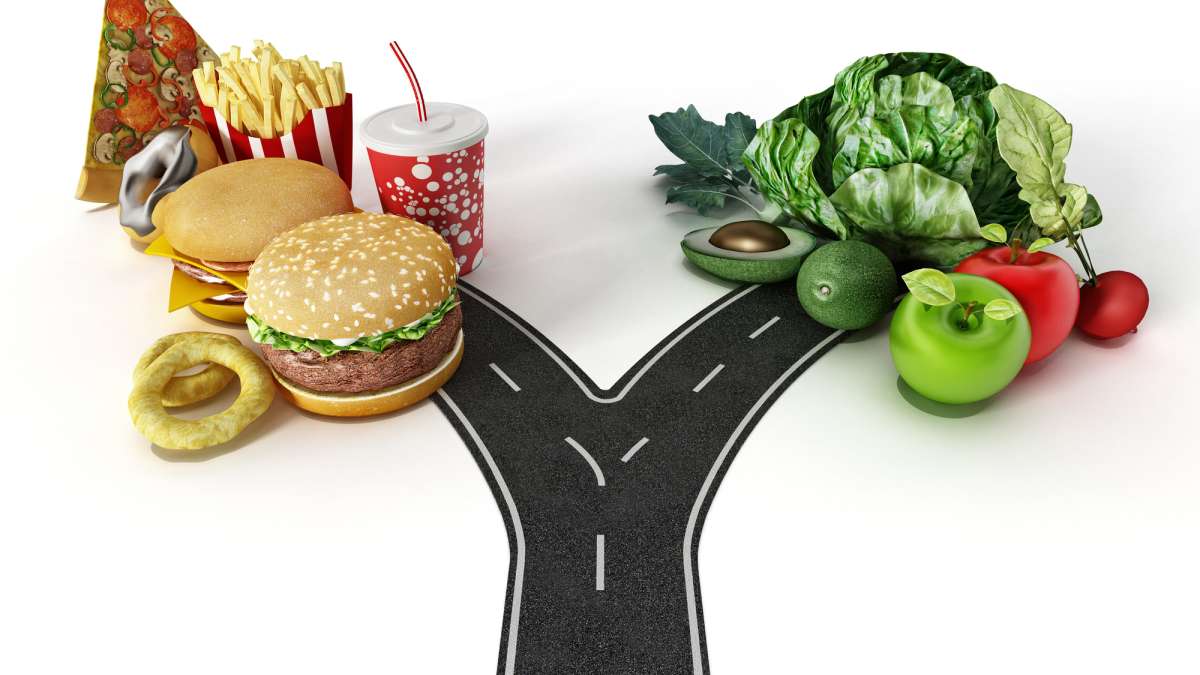
Lower socioeconomic status often limits health literacy and drive reliance on inexpensive, energy-dense processed foods. In many disadvantaged and communities, limited access to healthy options- coupled with chronic exposure to stress, violence, and structural racism, – creates the perfect storm for obesity. Adding to this, social isolation disrupts brain networks that regulate appetite and decision-making, increasing the risk of unhealthy eating patterns and weight gain.
These social and dietary factors don’t just influence behavior but also lead to real, physical changes in the brain-gut microbiome system. Chronic exposure to unhealthy foods alters brain structure, influencing networks that regulate motivation, reward processing, and emotional regulation as well as reducing gray matter volume. At the same time, poor diets disrupt the makeup of the gut bacteria, fueling inflammation that further undermines self-control and motivation- thus reinforcing a cycle of emotional eating and cravings and dependence on ultra-processed, fast foods.
Chronic stress, including racism-related stress and social isolation, also alter brain pathways and the gut microbes, promoting inflammation and impairing self-control, which further drives obesity risk, Church said. “Neighborhood disadvantage is also linked to reduced gut microbiome diversity and a higher presence of harmful bacteria — factors that further impair metabolism and heighten the risk of obesity and related diseases.”
Furthermore, these changes can begin prenatally and in early childhood. Environmental stressors and social adversity influence microbiome composition and brain-gut communication, setting the stage for lifelong obesity susceptibility.
Church said that while lasting change requires bold policy action to address the root causes of obesity, individuals can still take proactive steps on a personal level to navigate these challenges and support their health in the meantime.
For example, in the face of difficult circumstances, individuals can support their health by prioritizing nutritious foods within their budget, building social connections, and engaging in stress-reducing activities like journaling, connecting with nature and physical exercise Prioritizing empathy and gratitude can also help people improve their health despite difficult circumstances.
“At the same time, healthcare providers have a vital role to play, not only by screening for current social determinants of health, but also by recognizing how these factors accumulate and evolve over time, which is rarely accounted for in today’s clinical practice,” said Church
“By understanding these influences and tailoring treatment plans to account for biological and psychosocial challenges, providers can offer more personalized plans that improve outcomes, empowers individuals to take control over their health, and at the same time supports long-term wellness,” Church continued.
Article: Biopsychosocial and Environmental Factors that Impact Brain-Gut-Microbiome Interactions in Obesity; Riya Sood et al.; Published online Sept. 4, 2025, Clinical Gastroenterology and Hepatology
