
Close Menu
My Blog

    Subscribe to Updates

    Get the latest creative news from FooBar about art, design and business.

    What's Hot

    Nautilus debuts Voyager platform in push toward next-gen proteomics

    March 1, 2026

    First-in-Human Success for Prenatal Stem Cell Therapy in Spina Bifida

    February 28, 2026

    Pressure-Driven Pathway Links Liver Congestion to Fibrosis and Cancer

    February 28, 2026
    Facebook X (Twitter) Instagram
    X (Twitter) YouTube
    My BlogMy Blog
    Sunday, March 1
    • Home
    • About Us
    • Healthy Living
    • DNA & Genetics
    • Podcast
    • Shop
    My Blog
    Home»Gut Health»Sugary and Alcoholic Drinks May Lead to Hair Loss
    Gut Health

    Sugary and Alcoholic Drinks May Lead to Hair Loss

    adminBy adminSeptember 5, 2025No Comments5 Mins Read
    Facebook Twitter Pinterest LinkedIn Tumblr WhatsApp VKontakte Email
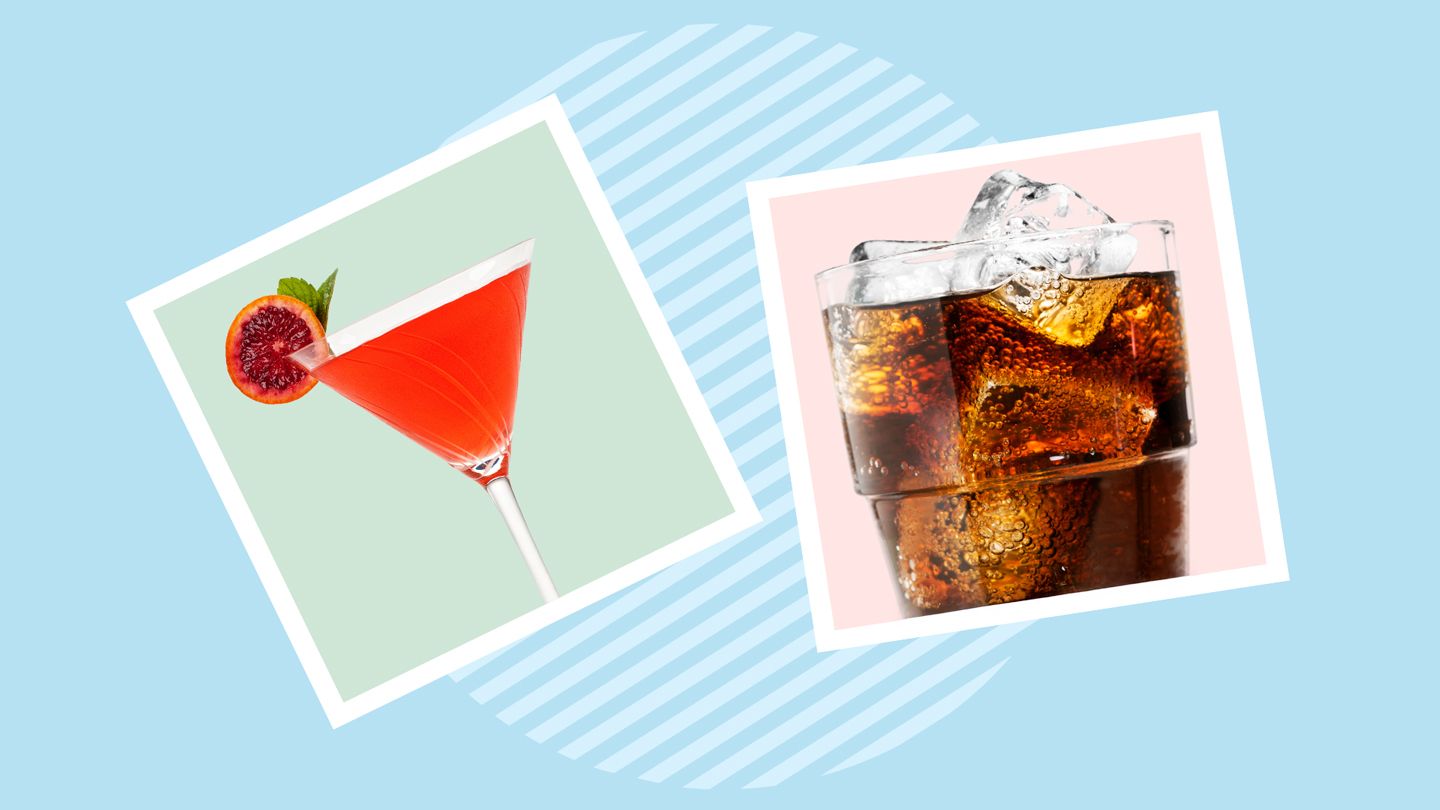
    Your Beverage Choice Could Be Causing Hair Loss
    Share
    Facebook Twitter LinkedIn Pinterest Email

    Can diet and nutrition affect your hair health? Building on existing studies, a new research review suggests it can, with results showing that sugary beverages and alcoholic drinks may contribute significantly to hair loss, while vitamin D and iron supplements may be particularly beneficial for hair growth.

    The review included 17 English- and Portuguese-language studies focused on diet and hair, and included more than 61,000 participants, almost all of them female.

    The scientists analyzed data from a range of study types, including case-control studies (comparing a group of people with a medical condition to a similar group without that condition), cohort studies (following large groups of people over time to track health outcomes), and randomized trials (randomly splitting participants into two groups, giving one an intervention or treatment and the other a placebo, then comparing the outcomes).

    Here’s what the evidence revealed:

    • Sugary drinks in excess of 3,500 milliliters (ml) per week (about 10 12-ounce cans) were connected with hair loss, particularly in men.
    • Alcohol was linked to an increase in hair loss.
    • Vitamin D deficiency was connected to hair loss severity in alopecia areata (an autoimmune disease) and androgenetic alopecia (male or female pattern baldness).
    • Iron supplementation was linked to improved hair growth, particularly in women.
    • Protein, soy products, and cruciferous vegetables (think kale and broccoli) were tied to improvements in hair growth and hair density.

    What Is Hair Loss, and How Is It Linked to Diet?

    Hair loss (medically known as alopecia) is common, impacting at least 80 million people in the United States. There are many different types of hair loss, and multiple triggers, including stress, genetics, medications, age, health conditions, and diet.

    “We know that nutrition is intimately tied to hair biology,” says Adam Friedman, MD, a professor and the chair of dermatology at George Washington University School of Medicine and Health Sciences in Washington, DC.

    Sugary foods and drinks are known to exacerbate inflammatory scalp conditions, he says, which in turn can cause or worsen hair loss. On the other hand, “Vitamin D and iron have been consistently implicated in maintaining healthy follicular function,” Dr. Friedman notes, referring to hair follicles, the skin openings from which hair grows.

    According to Friedman, the review results support what experts already know about diet and hair loss — but it shouldn’t spur anyone to make abrupt dietary changes and expect immediate hair health results.

    “The findings align with clinical intuition: A balanced diet supports healthy hair, while dietary excesses or deficiencies can tip the balance towards loss,” he says.

    He adds, “Cutting back on alcohol and sugary drinks may reduce further alopecia and create a more favorable scalp environment for growth, but there’s no strong evidence that it will reverse established hair loss or regrow hair once follicles have miniaturized or the scalp has scarred.”

    In other words, making healthier choices may help prevent hair loss but not treat it.

    But “ultimately, the message to patients is empowering: What you eat and drink influences your hair, and small, sustained changes may help preserve what you have,” Friedman says.

    What Are Some Limitations of the Research Review?

    This review has a number of limitations, including the inclusion of research beyond randomized controlled studies (considered the gold standard), the majority female participant pool, and self-reported dietary habits, says Susan Massick, MD, an associate clinical professor of dermatology at the Ohio State University Wexner Medical Center in Columbus who was not involved in the new review.

    Dr. Massick warns about the problem of “lumping everything together,” given the many different types of alopecia. “Remember that hair loss can be multifactorial, with a goal of treatment to reverse the reversible, target the cause of the hair loss, and embrace the overriding themes of healthy diet, stress management, and adequate sleep as the mainstays of any health regimen,” she says.

    “Not all alopecias are the same, with a wide range of causes, triggers, physical exam features, and thus different treatments, prognoses, and outcomes.”

    The scientists behind the new research review noted that further studies are needed to deepen the understanding of the association between nutrition and hair loss before any evidence-based recommendations on diet and supplementation can be made.

    When to See a Doctor About Hair Loss

    The American Academy of Dermatology suggests seeing a healthcare provider if you have concerns about hair loss or hair shedding to determine the underlying cause.

    Deborah A. Scott, MD, a codirector of the hair loss clinic at Brigham and Women’s Hospital and an associate professor of dermatology at Harvard Medical School in Boston, says that these medical professionals can test for any suspected vitamin deficiencies as part of a hair loss treatment plan.

    “To have a true vitamin deficiency that is so severe that it causes hair loss — it happens, but it’s not usual. My concern is that people shouldn’t run out and start taking vitamin D and iron,” says Dr. Scott,

    who was not involved in the new research. She notes that too much vitamin D can be dangerous.

    “I would just make sure that your vitamin D levels are in the normal range. And particularly if you’re a vegetarian, make sure that you’re getting adequate iron.”

    Alcoholic Drinks Hair Lead Loss Sugary
    Share. Facebook Twitter Pinterest LinkedIn Tumblr WhatsApp Email
    Previous ArticleHow Your Skin Microbiome Makes Its Own Anti-Aging Ingredients
    Next Article 20 No-Bake Dessert Recipes in Three Steps or Less
    admin
    • Website

    Related Posts

    The ins and outs of the new Dietary Guidelines for Americans in light of the gut microbiome

    February 25, 2026

    Patrick Veiga – Gut Microbiota for Health

    February 17, 2026

    The gut microbiome puzzle and probiotics in primary care patients with IBS

    February 16, 2026

    Bone signals may precede cartilage loss in osteoarthritis

    February 14, 2026
    Leave A Reply Cancel Reply

    Our Picks

    9 Time-Saving Kitchen Gadgets for Fall at Amazon

    September 5, 2025

    Why Exercise Is So Important For Heart Health, From An MD

    September 5, 2025

    An Engineered Protein Helps Phagocytes Gobble Up Diseased Cells

    September 5, 2025

    How To Get Rid Of Hangnails + Causes From Experts

    September 5, 2025
    • Facebook
    • Twitter
    • Pinterest
    • Instagram
    • YouTube
    • Vimeo
    Don't Miss
    Longevity

    Nautilus debuts Voyager platform in push toward next-gen proteomics

    By adminMarch 1, 20260

    Company’s new benchtop system promises a clearer view of proteins following validation at a leading…

    First-in-Human Success for Prenatal Stem Cell Therapy in Spina Bifida

    February 28, 2026

    Pressure-Driven Pathway Links Liver Congestion to Fibrosis and Cancer

    February 28, 2026

    A cellular atlas of aging comes into focus

    February 28, 2026

    Subscribe to Updates

    Get the latest creative news from SmartMag about art & design.

    About Us

    At FineGut, our mission is simple: to enhance your self-awareness when it comes to your gut health. We believe that a healthy gut is the foundation of overall well-being, and understanding the brain–gut connection can truly transform the way you live.

    Our Picks

    9 Time-Saving Kitchen Gadgets for Fall at Amazon

    September 5, 2025

    Why Exercise Is So Important For Heart Health, From An MD

    September 5, 2025

    An Engineered Protein Helps Phagocytes Gobble Up Diseased Cells

    September 5, 2025
    Gut Health

    Nautilus debuts Voyager platform in push toward next-gen proteomics

    March 1, 2026

    First-in-Human Success for Prenatal Stem Cell Therapy in Spina Bifida

    February 28, 2026

    Pressure-Driven Pathway Links Liver Congestion to Fibrosis and Cancer

    February 28, 2026
    X (Twitter) YouTube
    • Contact us
    • Privacy Policy
    • Disclaimer
    • Terms and Conditions
    © 2026 finegut.com. Designed by Pro.

    Type above and press Enter to search. Press Esc to cancel.