

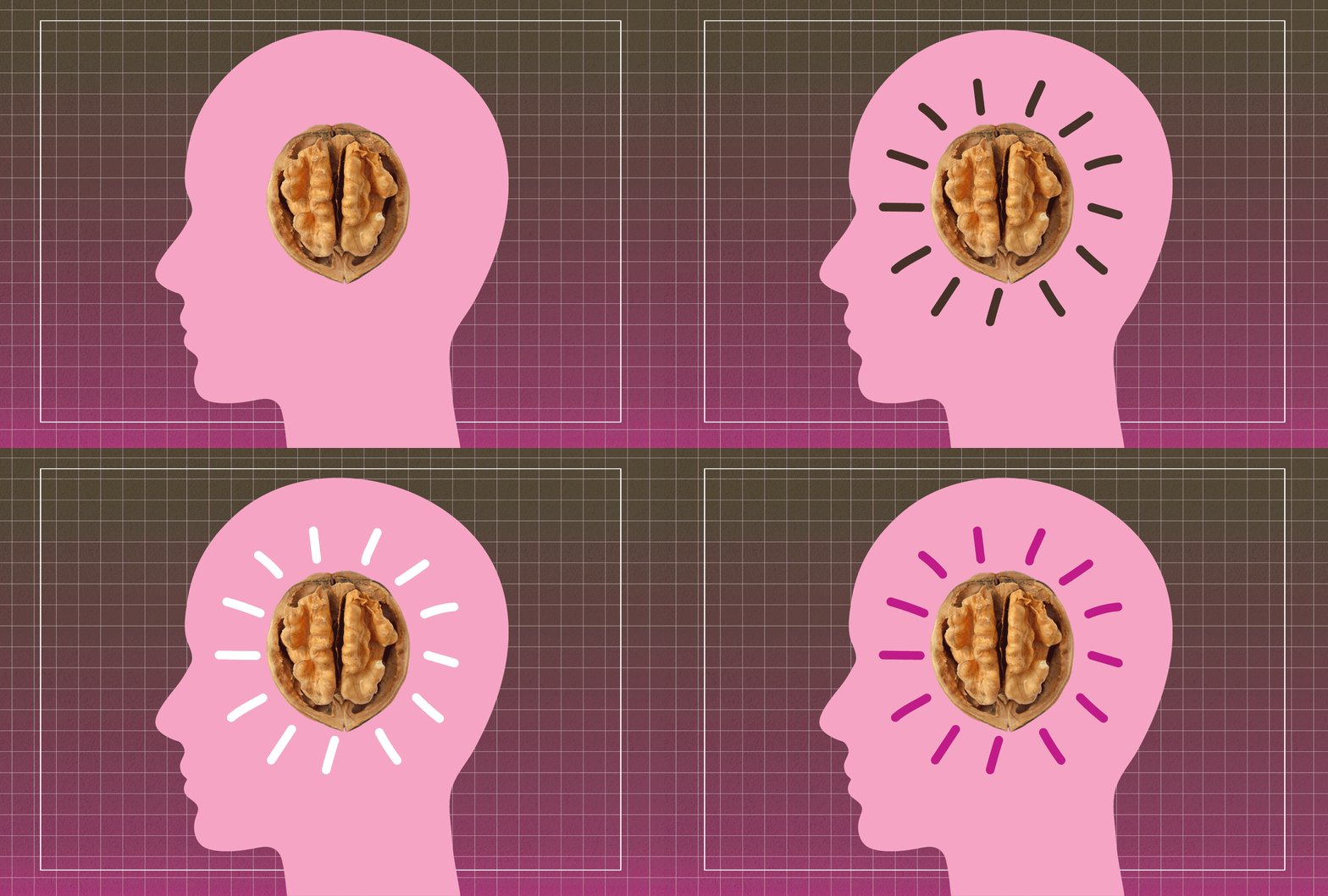
- Walnuts are packed with omega-3s, antioxidants and nutrients that help protect memory and support long-term brain health.
- Their anti-inflammatory and circulation-boosting benefits keep brain cells working smoothly for focus, clarity and mental energy.
- Pairing walnuts with habits like the MIND diet, exercise and good sleep gives your brain even stronger support.
Some of the best parts about aging are the wisdom and memories we collect along the way. But a common downside is that memory can change over time. Maybe it takes longer to learn a new skill or we forget where we placed certain items. The upside? Science shows that certain foods can offer built-in brain support to help it keep firing on all cylinders.
One of the best snacks for memory and brain health is crunchy, nutty and just one ingredient: walnuts. “Walnuts don’t just resemble your brain—they’re built to protect it,” says Shayan Khazaei, MD, neurologist. “From boosting memory to supporting long-term brain health, adding a handful of walnuts to your daily routine—along with good sleep and light exercise—may be one of the easiest ways to give your mind the care it deserves.”
Below, we dig into all the reasons why we love walnuts as a perfect memory-supporting snack. Plus, we share additional expert-backed tips from neurologists and dietitians on other ways to improve brain health.
Why We Love Walnuts for Memory
They’re Rich in Omega-3s
“Walnuts are the only nut rich in alpha-linolenic acid, a plant-based omega-3 fatty acid that helps strengthen brain cell membranes and support communication between neurons,” says Dr. Khazaei. “They may help your thoughts stay quick, clear and focused”.
Neurologist Rhonda Voskuhl, MD explains that these healthy fats provide more fluidity in blood cell membranes, which allows for smoother movement and better function of brain cells and their synapses (connections). “Unsaturated fatty acids can protect the brain via better nerve cell function and better cardiovascular circulation of blood to the brain.”
And when circulation to the brain improves, more oxygen and nutrients can reach it too. “Healthy circulation is key to keeping mental energy high and cognitive function strong. Better blood flow, brighter mind,” Dr. Khazaei adds.
In fact, research found that people who supplemented with omega-3s increased blood flow to the brain, learning, memory and overall cognitive well-being.
They Pack Anti-inflammatory Properties
“Walnuts are packed with omega-3’s (about 2.5 grams per 1 ounce), which are well known for their work against inflammation,” says registered dietitian Sharniquia White, M.S., RDN, LDN.
She explains their anti-inflammatory compounds can help calm inflammation and reduce oxidative stress on brain cells. “When brain inflammation is increased our brain cannot communicate its signals smoothly, affecting memory, mood and focus.”
By adding walnuts into your routine, you can give your brain a dose of anti-inflammatory support to help counteract inflammation or oxidative stress.
They Contain Ample Antioxidants
Walnuts are packed with powerful antioxidants, including flavonoids, phenolic acids, vitamin E, selenium and proanthocyanidins. Surprisingly, when researchers tested more than 1,000 foods for antioxidant content, walnuts ranked second overall.
These antioxidants act like a protective shield for the brain, fighting oxidative stress and inflammation—”two troublemakers linked to memory loss and age-related cognitive decline,” says Dr. Khazaei.
“Think of the brain as your body’s engine. Similar to a car engine, your brain produces exhaust (free radicals). The buildup of these free radicals can clog the brain affecting memory,” explains White. Luckily, the antioxidants in walnuts act like a hose, cooling things down and clearing away that ‘exhaust’ before it causes damage.
They’re Full of Neuroprotective Nutrients
It might not be a coincidence that walnuts are shaped like a brain—they’re loaded with nutrients that support it. In particular, they’re rich in vitamin E, melatonin, folate and fiber. “These compounds are neuro-supportive and may lend a helping hand in improving brain health,” says White.
“Walnuts’ mix of nutrients may enhance cognitive performance”, says Renee Korczak, Ph. D., RDN. She points to a study showing that eating walnuts at breakfast supported brain function and led to faster reaction times through the day compared to non-walnut eaters. “This suggests that walnuts may help the brain work more efficiently during challenging mental tasks,” she adds.
Plus, just one ounce of walnuts contain nearly 2 grams of dietary fiber, which feeds good gut bacteria. And those good bacteria make compounds that support brain health, mood and focus via the gut-brain axis, explains White.
Other Tips for Supporting Brain Health
While walnuts are a crunchy nut you can sprinkle into many dishes—hot, cold, sweet or savory—there’s more you can do to support brain health. Neurologists and dietitians share other tips for supporting brain health.
- Try the MIND diet: The MIND Diet combines elements of the Mediterranean and DASH diet to support brain health. It emphasizes leafy greens, whole grains, nuts, beans, fatty fish and olive oil—all rich in vitamins, carotenoids and flavonoids that can support the brain by reducing oxidative stress and inflammation, says Dr. Korczak.
- Include pre- and probiotics foods: Did you know your gut and brain are in constant communication via the gut-brain axis? Prebiotics feed beneficial gut bacteria, producing compounds that support cognitive function, while probiotics introduce good bacteria that can affect pathways in the brain. Together, these foods can lead to improved mood, attention, memory and cognitive function, says Dr. Korczak.
- Stay active: Exercise is a brain-booster, and stimulates the production of brain-derived neurotrophic factor, which helps brain cells function better, says Dr. Voskuhl. Heart-pumping activities like brisk walking, jogging, biking or swimming at least three times a week for 30 minutes can improve blood flow to the brain, she says.
- Get enough sleep: Sleep is a crucial piece of allowing the brain to form new memories. Aim for 7 to 9 hours of restful sleep each night so the brain can repair and recharge, says Dr. Khazaei.
Our Expert Take
Walnuts are the top choice for improving memory according to neurologists and dietitians. They’re rich in omega-3 fatty acids, packed with anti-inflammatory and antioxidants compounds, and loaded with additional brain-protective nutrients. Experts recommend following the MIND diet, including pre-and probiotic rich foods, staying physically active and getting enough sleep each night for supporting brain health and memory.
