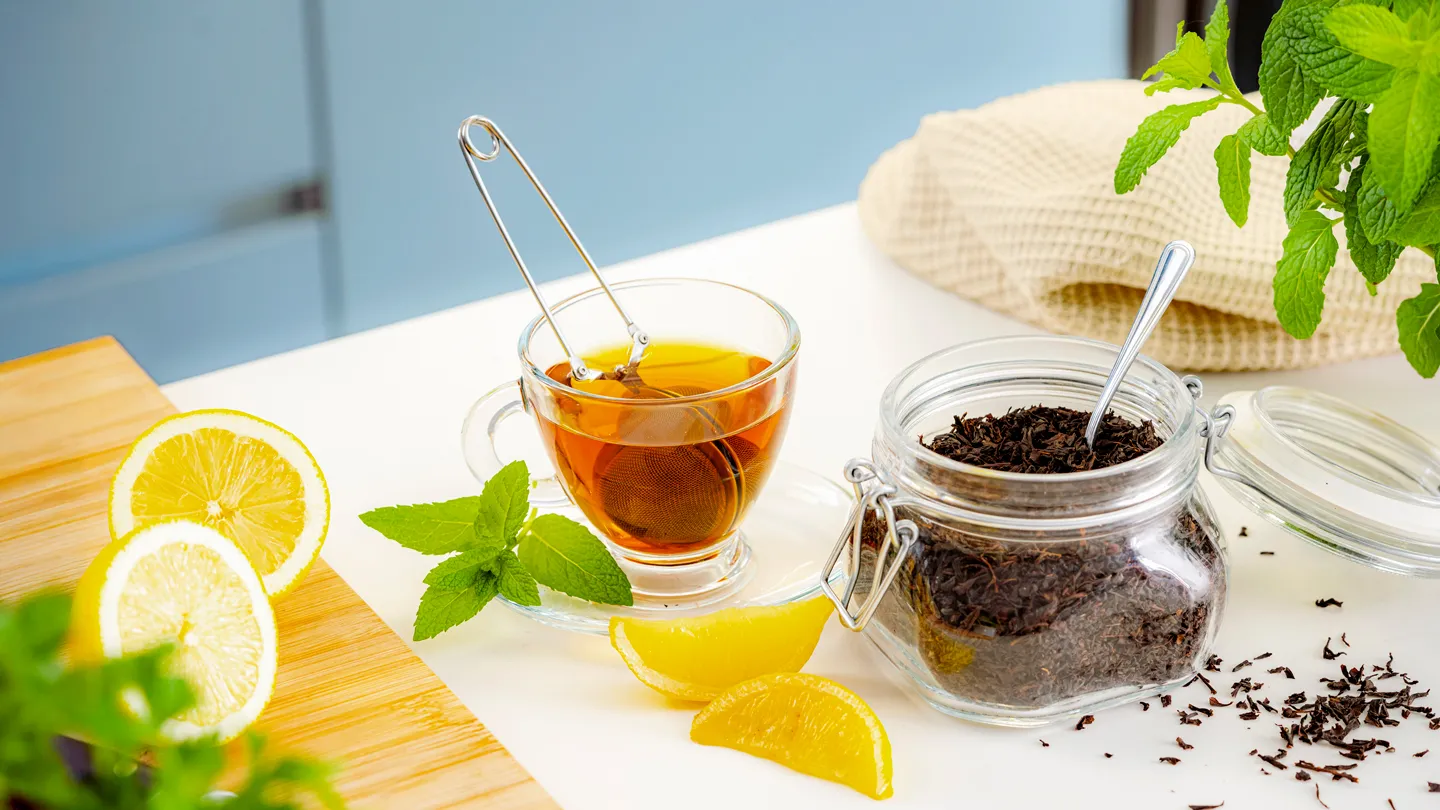
Have you ever taken a sip of tea and felt a bitter, dry coating in your mouth almost immediately? You can thank what’s called a tannin in the tea for that. Tannins are compounds classified as polyphenols, and they have both positive and negative effects on your health. While some tannins acts as antioxidants and can help combat inflammation, protect your heart health and reduce your risk of developing cancer, others, like tannic acid, act as anti-nutrients, interfering with the way certain minerals, like iron, are absorbed. Most teas contain tannins, but some types of teas have higher amounts than others. What Are Tannins? Plants, like fruits, vegetables and herbs, contain lots of different compounds called “phytochemicals” that often get the credit for their health-promoting properties. There are lots of different phytochemicals out there, but one group that’s found in high levels in tea is called tannins. More specifically, tannins belong to a group of phytochemicals called phenols or phenolics . Plants produce tannins as part of their defense system. When an animal (or human) eats the plant, the tannins give off a bitter, unpleasant taste that’s an attempt to get the animal or human to stop eating. But it doesn’t stop there. Tannins have a delayed negative effect, too. Tannins also have a major effect on your nutrition and overall diet because they have an ability to bind with several macronutrients and other compounds involved in digestion, including: Carbohydrates Proteins Bacterial cell membranes Enzymes involved in food digestion Tannins as Anti-Nutrients Unlike some other compounds, tannins are heat-stable, meaning they aren’t destroyed when you heat them up — like when making tea. According to a July 2014 report in the International Journal of Nutrition and Food Sciences , tannins act as anti-nutrients by blocking digestion and absorption of proteins. They do this in one of two ways — either by making part of the protein unavailable or by inhibiting enzymes needed for your body to properly digest them. Tannins also mess with the way your body absorbs iron. That’s why avoiding excessive tea drinking is good for anemia. If your iron levels are already low, drinking a lot of tea can make those iron levels even lower. If you drink too much tea and get too many tannins in your diet, it can also decrease the activity of enzymes in your digestive tract, negatively affecting your digestion as a whole. But tea isn’t the only source of tannin. Fruit, red wine and all types of coffee also contain significant amounts. Specific significant sources of tannins include: Grapes Apple juice Strawberries Raspberries Blackberries Pomegranate Plums Walnuts Olives Chickpeas Black-eyed peas Lentils Chocolate/cocoa Tannins as Antioxidants Tannins aren’t all bad, though. Although they do have the ability to mess up your digestion and nutrient absorption, in small amounts, they can act as antioxidants. According to an April 2015 report in the International Journal of Pharma Research & Review , certain tannins may help reduce the risk of heart disease, prevent the formation of tumors and certain cancers and help protect against allergies. Because of its tannin content, lukewarm tea has also been used to treat burns by applying it right to the skin or by dipping a burn dressing in it. Of course, if you have a severe burn, seek proper treatment before relying on tea alone to resolve your symptoms. Another report that was published in the Research Journal of Recent Sciences in December 2012 also pointed out that tannins are anti-inflammatory and can decrease adipogenesis — a technical term for the creation of new fat cells. They’ve also been shown to help regulate blood sugar by improving the health of the cells in your pancreas (called the beta cells) that produce insulin (the hormone that you need to properly use the glucose, or sugar, in your blood). Read more: 10 Everyday Ailments Soothed by Tea Levels of Tannin in Tea The amount of tannins in tea is a major factor in whether they act as antioxidants or behave more like anti-nutrients, according to a report published in the Journal of Chemical and Pharmaceutical Research in January 2015. Because of this, researchers from the report set out to test exactly how many tannins were in the different types of tea to help you make the best decisions for your health. Black tea had the highest tannin concentration, ranging from 11.76 to 15.14 percent, while green tea had the lowest amount of tannins, with an average of 2.65 percent (and a high of 3.11 percent). Oolong tea fell in the middle of black and green tea, clocking in at 8.66 percent. Because of the possible negative health effects of tannin in tea, the researchers from this study concluded that green tea is the best tea option, especially if you’re drinking your tea with your meals or soon before or soon after eating. But a surprising discovery was published in Renewable Agriculture and Food Systems in June 2014. The researchers from this study found that levels of tannins were higher in organic varieties of green tea than in nonorganic varieties. This may not be a good enough reason to go nonorganic, especially since the caffeine content in nonorganic varieties of green tea is higher than organic versions, but it’s something to think about. Read more: The Best Green Tea to Lose Weight Reducing the Effects of Tannins But just because tannins have the ability to act as anti-nutrients doesn’t mean that you have to avoid tea altogether. A report in the September-October 2012 issue of the Journal of Pharmacognosy and Phytochemistry advises drinking coffee and tea between meals instead of with them. It’s also a good idea to spread out your consumption. Instead of drinking a cup of tea directly after your cup of coffee, try waiting a few hours and drinking some water in between, You can also reduce the potential negative effects of tannins by adding some milk or lemon juice to your tea. This can neutralize the tannins so they don’t affect the absorption of iron. You can also drink your tea along with foods that are rich in vitamin C, which also neutralizes the tannins. Some good sources of vitamin C include: Bell peppers Oranges Grapefruit Kiwi fruit Broccoli Brussels sprouts Strawberries Tomatoes Potatoes Cantaloupe
Subscribe to Updates
Get the latest creative news from FooBar about art, design and business.
Tannin Levels in Teas: Powerful Antioxidants or Nutrient Blockers?