
Close Menu
My Blog

    Subscribe to Updates

    Get the latest creative news from FooBar about art, design and business.

    What's Hot

    Nautilus debuts Voyager platform in push toward next-gen proteomics

    March 1, 2026

    First-in-Human Success for Prenatal Stem Cell Therapy in Spina Bifida

    February 28, 2026

    Pressure-Driven Pathway Links Liver Congestion to Fibrosis and Cancer

    February 28, 2026
    Facebook X (Twitter) Instagram
    X (Twitter) YouTube
    My BlogMy Blog
    Sunday, March 1
    • Home
    • About Us
    • Healthy Living
    • DNA & Genetics
    • Podcast
    • Shop
    My Blog
    Home»Microbiome»Higher Dose of Semaglutide Enhances Weight Loss Effects Safely
    Microbiome

    Higher Dose of Semaglutide Enhances Weight Loss Effects Safely

    adminBy adminSeptember 15, 2025No Comments3 Mins Read
    Facebook Twitter Pinterest LinkedIn Tumblr WhatsApp VKontakte Email
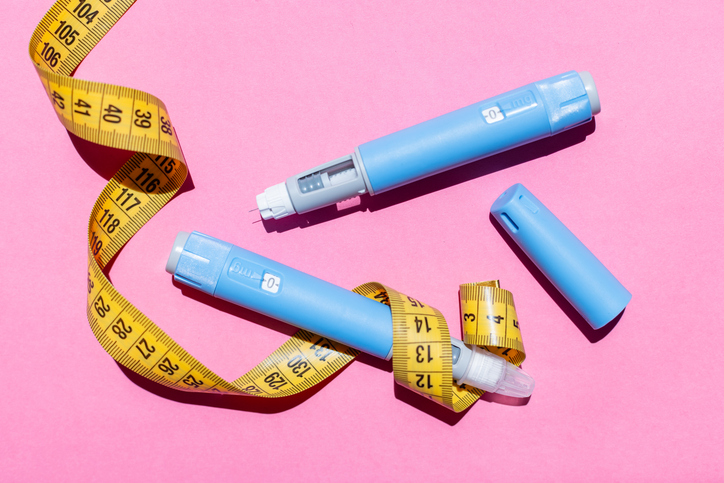
    Blue Ozempic pens with yellow measuring tape on pink background. Concept of diabetes treatment, weight loss aid, and modern healthcare solutions.Yellow measuring tape around the injectors.
    Share
    Facebook Twitter LinkedIn Pinterest Email

    Credit: Alones Creative/ iStock / Getty Images Plus

    Results from two late-stage clinical trials show that tripling the standard dose of semaglutide can significantly increase weight loss in individuals with obesity, both with or without a type 2 diabetes diagnosis. Published back to back in The Lancet Diabetes & Endocrinology, results from both trials show that a higher dose of this drug could help those who have not been able to achieve sufficient weight loss with other existing treatments.  

    Semaglutide is a weight loss drug that targets the glucagon-like peptide-1 (GLP-1), sold by Novo Nordisk under the brand name Wegovy to treat people with obesity and under Ozempic to treat patients with both type 2 diabetes and obesity. “Once-weekly subcutaneous semaglutide 2.4 mg is approved for weight management in people with obesity and related complications; however, some individuals do not reach their therapeutic goals with this dose,” stated the researchers. 

    The two Phase IIIb clinical trials tested the effects of a 7.2 mg dose of semaglutide and compared it to the currently approved dose of 2.4 mg, as well as to a placebo. In the STEP UP trial, over 1,400 participants with obesity and no diabetes were treated over the course of 72 weeks. In the STEP UP T2D trial, more than 500 patients with obesity and type 2 diabetes were treated during the same period of time. All participants received diet and exercise recommendations regardless of which treatment they were given. 

    In the STEP UP trial, the higher semaglutide dose led to an average weight loss of 18.7% in participants without type 2 diabetes, compared to 16% for those treated with the standard dose and four percent with placebo. Almost a third of people treated with the higher dose had a bodyweight reduction of more than 25%, and 83.4% of patients with prediabetes at the start of the trial had returned to normal blood sugar levels by the end of the trial, compared to 73.8% for the standard dose and 36.6% for the placebo group. 

    “These results support a favorable benefit–risk profile of semaglutide 7.2 mg for weight management in people with obesity,” wrote the authors. “The greater magnitudes of bodyweight reduction seen in this trial, as well as the improvements in cardiovascular risk factors and glucose control, can have beneficial effects on health goals in clinical practice.”

    In the STEP UP T2D trial, a higher semaglutide dose resulted in an average bodyweight reduction of 13.2%, compared to 10.4% for the standard dose and 3.9% for the placebo. While the overall weight loss was lower in this patient population, the researchers highlighted the importance of these results given the fact that type 2 diabetes and its treatment makes weight loss more difficult. Achieving a bodyweight loss of about 10% is a major target for many people with type 2 diabetes, helping improve metabolic symptoms and potentially having disease modifying effects. 

    Across both trials, adverse events such as nausea, diarrhea, and vomiting were more common among the group who received the higher dose, with most of the patients seeing these symptoms resolved before the end of the trial. In patients with type 2 diabetes, hypoglycemia risk was low with the higher dose and comparable to that of the lower dose and the placebo treatments. 

    “The landscape for weight management is continuously changing,” concluded the researchers. “For people with obesity who are inadequately treated, the greater magnitude of bodyweight change with semaglutide 7.2 mg, compared with lower doses, could help with managing obesity-related complications, which had not been addressed with previous treatments.”

    Dose effects enhances Higher Loss Safely Semaglutide Weight
    Share. Facebook Twitter Pinterest LinkedIn Tumblr WhatsApp Email
    Previous ArticleThese Zodiac Signs Tend To Be The Most Creative Of Them All
    Next Article 20+ Mediterranean Diet Lunch Recipes with No Added Sugar
    admin
    • Website

    Related Posts

    First-in-Human Success for Prenatal Stem Cell Therapy in Spina Bifida

    February 28, 2026

    Pressure-Driven Pathway Links Liver Congestion to Fibrosis and Cancer

    February 28, 2026

    Genetic Biomarkers to Predict Efficacy of GLP-1 Therapies Uncovered

    February 28, 2026

    Mapping the Cellular Architecture of Aging Across 21 Organs

    February 28, 2026
    Leave A Reply Cancel Reply

    Our Picks

    9 Time-Saving Kitchen Gadgets for Fall at Amazon

    September 5, 2025

    Why Exercise Is So Important For Heart Health, From An MD

    September 5, 2025

    An Engineered Protein Helps Phagocytes Gobble Up Diseased Cells

    September 5, 2025

    How To Get Rid Of Hangnails + Causes From Experts

    September 5, 2025
    • Facebook
    • Twitter
    • Pinterest
    • Instagram
    • YouTube
    • Vimeo
    Don't Miss
    Longevity

    Nautilus debuts Voyager platform in push toward next-gen proteomics

    By adminMarch 1, 20260

    Company’s new benchtop system promises a clearer view of proteins following validation at a leading…

    First-in-Human Success for Prenatal Stem Cell Therapy in Spina Bifida

    February 28, 2026

    Pressure-Driven Pathway Links Liver Congestion to Fibrosis and Cancer

    February 28, 2026

    A cellular atlas of aging comes into focus

    February 28, 2026

    Subscribe to Updates

    Get the latest creative news from SmartMag about art & design.

    About Us

    At FineGut, our mission is simple: to enhance your self-awareness when it comes to your gut health. We believe that a healthy gut is the foundation of overall well-being, and understanding the brain–gut connection can truly transform the way you live.

    Our Picks

    9 Time-Saving Kitchen Gadgets for Fall at Amazon

    September 5, 2025

    Why Exercise Is So Important For Heart Health, From An MD

    September 5, 2025

    An Engineered Protein Helps Phagocytes Gobble Up Diseased Cells

    September 5, 2025
    Gut Health

    Nautilus debuts Voyager platform in push toward next-gen proteomics

    March 1, 2026

    First-in-Human Success for Prenatal Stem Cell Therapy in Spina Bifida

    February 28, 2026

    Pressure-Driven Pathway Links Liver Congestion to Fibrosis and Cancer

    February 28, 2026
    X (Twitter) YouTube
    • Contact us
    • Privacy Policy
    • Disclaimer
    • Terms and Conditions
    © 2026 finegut.com. Designed by Pro.

    Type above and press Enter to search. Press Esc to cancel.