Close Menu
My Blog

    Subscribe to Updates

    Get the latest creative news from FooBar about art, design and business.

    What's Hot

    Nautilus debuts Voyager platform in push toward next-gen proteomics

    March 1, 2026

    First-in-Human Success for Prenatal Stem Cell Therapy in Spina Bifida

    February 28, 2026

    Pressure-Driven Pathway Links Liver Congestion to Fibrosis and Cancer

    February 28, 2026
    Facebook X (Twitter) Instagram
    X (Twitter) YouTube
    My BlogMy Blog
    Sunday, March 1
    • Home
    • About Us
    • Healthy Living
    • DNA & Genetics
    • Podcast
    • Shop
    My Blog
    Home»Probiotics»What Is Rosacea? Symptoms, Causes, Diagnosis, Treatment, and Prevention
    Probiotics

    What Is Rosacea? Symptoms, Causes, Diagnosis, Treatment, and Prevention

    adminBy adminSeptember 16, 2025No Comments3 Mins Read
    Facebook Twitter Pinterest LinkedIn Tumblr WhatsApp VKontakte Email
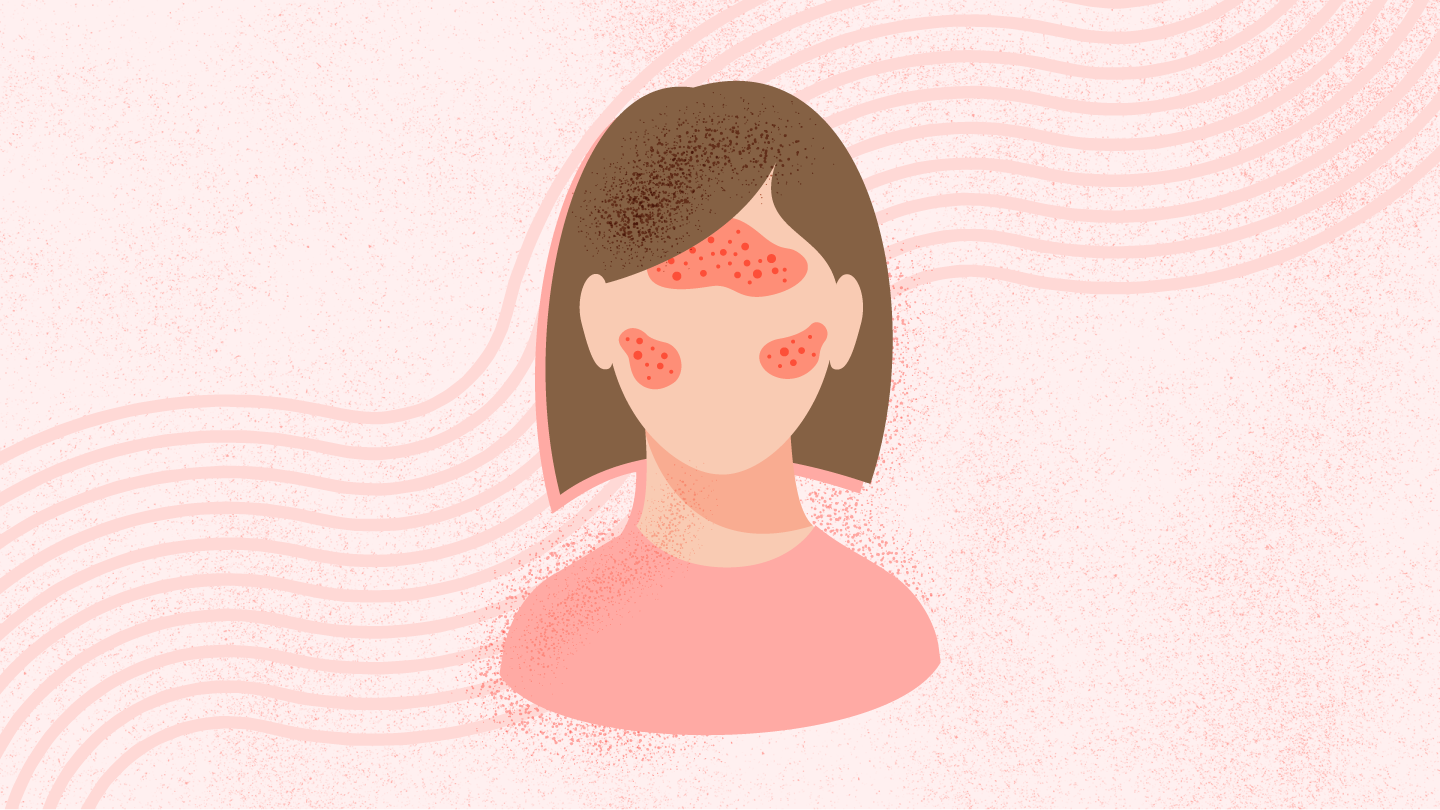
    What Is Rosacea? Symptoms, Causes, Diagnosis, Treatment, and Prevention
    Share
    Facebook Twitter LinkedIn Pinterest Email

    Various treatments can reduce redness and other symptoms, improving your skin’s appearance and reducing the frequency of flares.

    Once your doctor makes a definitive diagnosis, you’ll work together to determine the best treatment plan for your skin. There’s no one-size-fits-all approach. Your doctor may prescribe a medication, monitor your skin for improvement, and then recommend a different medication if the one you’re currently taking doesn’t work.

    Medication Options

    Topical Gels and Creams Your doctor may first prescribe a topical antibiotic or anti-inflammatory cream or gel.

     Topical antibiotics are common first-line treatments to reduce pink bumps, whereas a nonsteroidal anti-inflammatory can reduce skin irritation that leads to redness and acneiform lesions, notes Tsippora Shainhouse, MD, a board-certified dermatologist based in Los Angeles.

    Or you may receive a topical cream designed to constrict the blood vessels in your face. This helps reduce blood flow, and subsequently lessens flushing and redness.

    Along with medication to constrict your blood vessels, your doctor may prescribe a drug to kill bacteria on your skin, which can improve rosacea pimples and acne, along with redness and other skin irritation. Results aren’t immediate; it can take up to three to six weeks to see improvement.

    Your doctor may also prescribe a topical medication against the demodex mite called ivermectin (Soolantra), which is approved by the U.S. Food and Drug Administration (FDA) for certain types of rosacea. It also is used for its potent anti-inflammatory properties.

    Oral Medication

    If creams and gels don’t work, the next line of defense is an oral antibiotic. These drugs fight inflammation and eliminate bacteria to improve redness, bumps, and eye symptoms.


    Another option is a powerful oral acne medication called isotretinoin (Accutane). It can clear up acne, redness, and swelling. This drug can cause serious birth defects, so your doctor will only prescribe isotretinoin when antibiotics don’t work and you’re not pregnant or planning to become pregnant.

    Nonmedical Therapies

    Light Therapy If oral medication and creams don’t improve skin, talk to your doctor about laser or light therapy. This type of therapy can reduce the size of blood vessels in your face and remove excess skin around your nose.

    Although light therapy can improve skin, new blood vessels may reappear and skin thickening may return, requiring additional treatments.

    Eye Drops If you have ocular rosacea, your doctor can prescribe eye drops to reduce inflammation, redness, light sensitivity, and other symptoms. Additionally, applying a warm compress over your eyes and gently cleansing your eyelids with baby shampoo can reduce symptoms.

    Alternative and Complementary Therapies

    A rosacea treatment plan doesn’t only include medication. Changing your habits to avoid certain triggers may also improve your skin.

    Starting a rosacea diary is one of the first steps to pinpointing your triggers. Keep track of days when symptoms appear or worsen, and then write down everything that happened on this day. What did you eat? What type of activity did you perform (such as exercise or working in the garden)? Were you exposed to cold or hot temperatures?

    Also, make a note of your emotional state during this time. Were you under a lot of stress or anxiety? This type of diary can help narrow down the underlying cause of your flares.

    Diagnosis Prevention Rosacea Symptoms Treatment
    Share. Facebook Twitter Pinterest LinkedIn Tumblr WhatsApp Email
    Previous ArticleAmazon’s Prime Big Deal Days Are Coming in October
    Next Article Patrick Vaughan: epidemiologist, WHO public health expert, and model for Piggy from Lord of the Flies
    admin
    • Website

    Related Posts

    100 IPA Newsletters Later: Setting the Global Standard for Biotics

    February 24, 2026

    Fido Needs an Antibiotic: Are There Strategies to Maintain Gut Integrity and Restore Gut Microbiota?

    February 24, 2026

    Why CoQ10 Production Depends on Microbial Balance

    February 23, 2026

    IPA 2025 End of Year Report

    February 12, 2026
    Leave A Reply Cancel Reply

    Our Picks

    9 Time-Saving Kitchen Gadgets for Fall at Amazon

    September 5, 2025

    Why Exercise Is So Important For Heart Health, From An MD

    September 5, 2025

    An Engineered Protein Helps Phagocytes Gobble Up Diseased Cells

    September 5, 2025

    How To Get Rid Of Hangnails + Causes From Experts

    September 5, 2025
    • Facebook
    • Twitter
    • Pinterest
    • Instagram
    • YouTube
    • Vimeo
    Don't Miss
    Longevity

    Nautilus debuts Voyager platform in push toward next-gen proteomics

    By adminMarch 1, 20260

    Company’s new benchtop system promises a clearer view of proteins following validation at a leading…

    First-in-Human Success for Prenatal Stem Cell Therapy in Spina Bifida

    February 28, 2026

    Pressure-Driven Pathway Links Liver Congestion to Fibrosis and Cancer

    February 28, 2026

    A cellular atlas of aging comes into focus

    February 28, 2026

    Subscribe to Updates

    Get the latest creative news from SmartMag about art & design.

    About Us

    At FineGut, our mission is simple: to enhance your self-awareness when it comes to your gut health. We believe that a healthy gut is the foundation of overall well-being, and understanding the brain–gut connection can truly transform the way you live.

    Our Picks

    9 Time-Saving Kitchen Gadgets for Fall at Amazon

    September 5, 2025

    Why Exercise Is So Important For Heart Health, From An MD

    September 5, 2025

    An Engineered Protein Helps Phagocytes Gobble Up Diseased Cells

    September 5, 2025
    Gut Health

    Nautilus debuts Voyager platform in push toward next-gen proteomics

    March 1, 2026

    First-in-Human Success for Prenatal Stem Cell Therapy in Spina Bifida

    February 28, 2026

    Pressure-Driven Pathway Links Liver Congestion to Fibrosis and Cancer

    February 28, 2026
    X (Twitter) YouTube
    • Contact us
    • Privacy Policy
    • Disclaimer
    • Terms and Conditions
    © 2026 finegut.com. Designed by Pro.

    Type above and press Enter to search. Press Esc to cancel.