
Close Menu
My Blog

    Subscribe to Updates

    Get the latest creative news from FooBar about art, design and business.

    What's Hot

    Nautilus debuts Voyager platform in push toward next-gen proteomics

    March 1, 2026

    First-in-Human Success for Prenatal Stem Cell Therapy in Spina Bifida

    February 28, 2026

    Pressure-Driven Pathway Links Liver Congestion to Fibrosis and Cancer

    February 28, 2026
    Facebook X (Twitter) Instagram
    X (Twitter) YouTube
    My BlogMy Blog
    Sunday, March 1
    • Home
    • About Us
    • Healthy Living
    • DNA & Genetics
    • Podcast
    • Shop
    My Blog
    Home»Microbiome»Deadliest Risk Factors of Common Liver Disease Found
    Microbiome

    Deadliest Risk Factors of Common Liver Disease Found

    adminBy adminSeptember 18, 2025No Comments3 Mins Read
    Facebook Twitter Pinterest LinkedIn Tumblr WhatsApp VKontakte Email
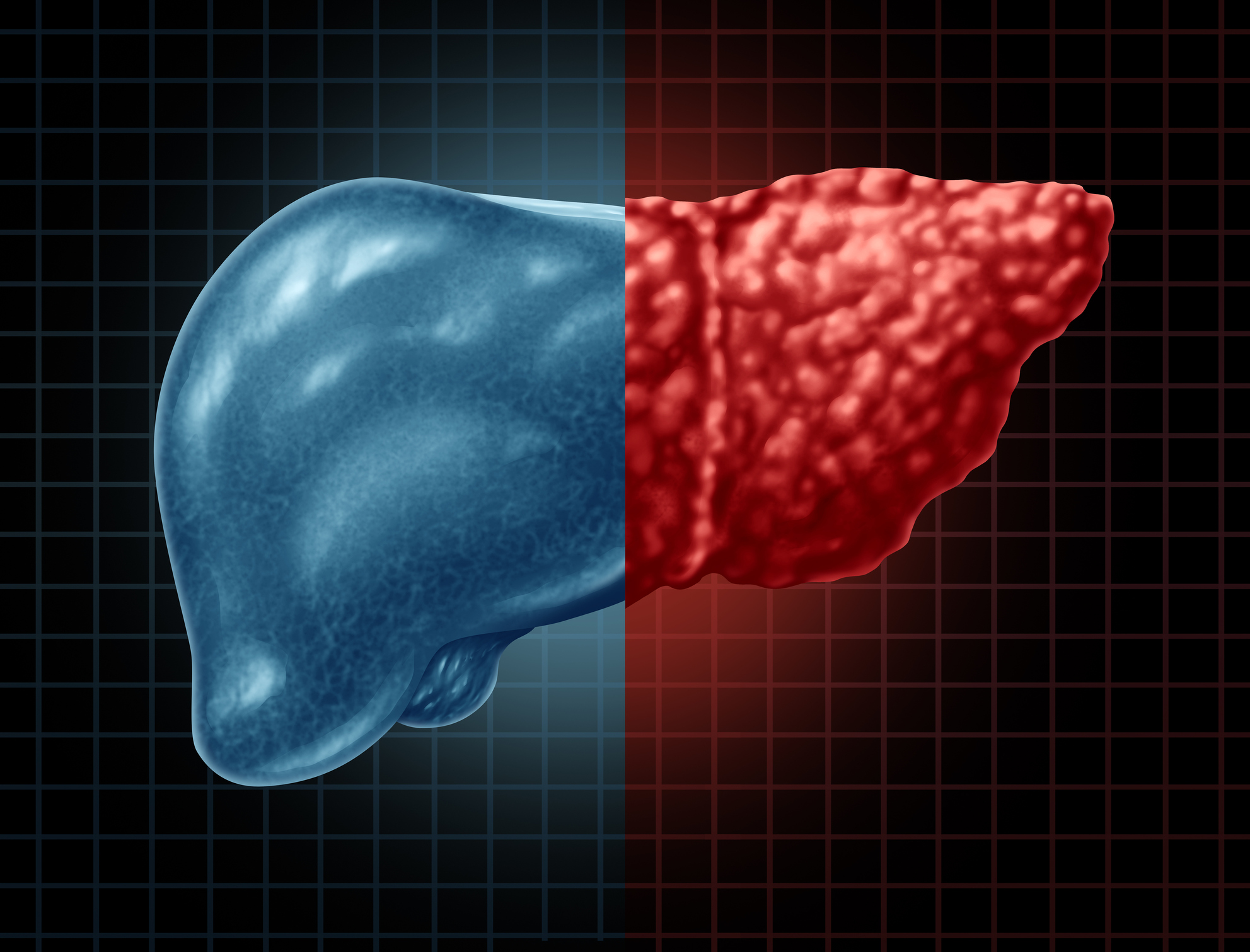
    Deadliest Risk Factors of Common Liver Disease Found
    Share
    Facebook Twitter LinkedIn Pinterest Email

    Credit: wildpixel/Getty Images

    Metabolic dysfunction–associated steatotic liver disease (MASLD) occurs when fat builds up in the liver. It is the most common chronic liver disease and the leading cause of liver-related morbidity and mortality in the world. MASLD occurs in association with one or more of five cardiometabolic risk factors, including obesity, type 2 diabetes, high blood pressure, high blood sugar, and low HDL cholesterol. 

    Globally, over one-third of the adult population has MASLD, and 7–14% of children and adolescents are affected. By 2040, the percentage of affected adults is expected to increase from 38% to 55% worldwide, as obesity and type 2 diabetes become more prevalent. Deaths caused by MASLD and related to cardiovascular disease and liver-related conditions are also expected to increase. 

    Although MASLD is associated with cardiometabolic risk factors, it was unknown which of them is more likely to cause death than others. Therefore, researchers at the University of Southern California (USC) Health Sciences, Keck School of Medicine, in Los Angeles, set out to find the answer.

    For their study, published in Clinical Gastroenterology and Hepatology and titled “Differential Effects of Cardiometabolic Risk Factors on All-Cause Mortality in US Adults with Metabolic Dysfunction-Associated Steatotic Liver Disease (MASLD),” the researchers looked at data from 134,515 people aged 20 years or older who participated in the U.S. National Health and Nutrition Examination Survey between 1988 and 2018. Of these, the researchers identified 21,872 participants with MASLD who had at least one cardiometabolic risk factor. 

    The researchers then tracked the mortality rates by individual cardiometabolic risk factors and discovered that three of the five cardiometabolic risk factors were greatly associated with death in people with MASLD. High blood pressure raised the risk of death by 40%, pre-diabetes or type 2 diabetes by 25%, and low HDL cholesterol by 15%. 

    Lead author of the study, Matthew Dukewich, MD, PhD, a USC transplant hepatology fellow, said they were surprised by the discovery that high blood pressure was linked to the highest risk of death: “Until now, it was commonly thought that diabetes was the most pressing health problem for MASLD patients, which is a key insight.” 

    The researchers also discovered that the most common cardiometabolic risk factor of MASLD, obesity, can significantly increase the risk of death depending on a person’s body mass index (BMI), with higher BMIs associated with a greater mortality risk. 

    This finding underlines other study results showing that the more cardiometabolic risk factors a patient has, the higher the chance of dying. The researchers’ results showed that each additional metabolic risk factor increases the risk of death for MASLD patients by 15%. 

    The researchers hope that their findings can help physicians find more targeted therapies for their MASLD patients, depending on their cardiometabolic risk factors. In the future, the team wants to create more comprehensive risk profiles by also studying MSLD patient outcomes in relation to genetic background, dietary habits, and alcohol use. 

    “The more we can understand about the drivers of the disease, the more we can identify those most in need of interventions and prioritize our resources for enhanced outcomes,” explained senior author of the study, Norah A. Terrault, MD, hepatologist at Keck Medicine.

    “MASLD is a complicated disease, and this study sheds new light on where doctors may want to focus their efforts when treating patients. Knowing which aspects of MASLD might lead to poorer outcomes can help us offer patients the best possible care.” 

    Common Deadliest Disease Factors Liver Risk
    Share. Facebook Twitter Pinterest LinkedIn Tumblr WhatsApp Email
    Previous ArticleMore Ground Cinnamon Recalled Due to High Lead Levels
    Next Article Sophie Jackson: paediatrician and trailblazer for doctors with disabilities
    admin
    • Website

    Related Posts

    First-in-Human Success for Prenatal Stem Cell Therapy in Spina Bifida

    February 28, 2026

    Pressure-Driven Pathway Links Liver Congestion to Fibrosis and Cancer

    February 28, 2026

    Genetic Biomarkers to Predict Efficacy of GLP-1 Therapies Uncovered

    February 28, 2026

    Mapping the Cellular Architecture of Aging Across 21 Organs

    February 28, 2026
    Leave A Reply Cancel Reply

    Our Picks

    9 Time-Saving Kitchen Gadgets for Fall at Amazon

    September 5, 2025

    Why Exercise Is So Important For Heart Health, From An MD

    September 5, 2025

    An Engineered Protein Helps Phagocytes Gobble Up Diseased Cells

    September 5, 2025

    How To Get Rid Of Hangnails + Causes From Experts

    September 5, 2025
    • Facebook
    • Twitter
    • Pinterest
    • Instagram
    • YouTube
    • Vimeo
    Don't Miss
    Longevity

    Nautilus debuts Voyager platform in push toward next-gen proteomics

    By adminMarch 1, 20260

    Company’s new benchtop system promises a clearer view of proteins following validation at a leading…

    First-in-Human Success for Prenatal Stem Cell Therapy in Spina Bifida

    February 28, 2026

    Pressure-Driven Pathway Links Liver Congestion to Fibrosis and Cancer

    February 28, 2026

    A cellular atlas of aging comes into focus

    February 28, 2026

    Subscribe to Updates

    Get the latest creative news from SmartMag about art & design.

    About Us

    At FineGut, our mission is simple: to enhance your self-awareness when it comes to your gut health. We believe that a healthy gut is the foundation of overall well-being, and understanding the brain–gut connection can truly transform the way you live.

    Our Picks

    9 Time-Saving Kitchen Gadgets for Fall at Amazon

    September 5, 2025

    Why Exercise Is So Important For Heart Health, From An MD

    September 5, 2025

    An Engineered Protein Helps Phagocytes Gobble Up Diseased Cells

    September 5, 2025
    Gut Health

    Nautilus debuts Voyager platform in push toward next-gen proteomics

    March 1, 2026

    First-in-Human Success for Prenatal Stem Cell Therapy in Spina Bifida

    February 28, 2026

    Pressure-Driven Pathway Links Liver Congestion to Fibrosis and Cancer

    February 28, 2026
    X (Twitter) YouTube
    • Contact us
    • Privacy Policy
    • Disclaimer
    • Terms and Conditions
    © 2026 finegut.com. Designed by Pro.

    Type above and press Enter to search. Press Esc to cancel.