
Close Menu
My Blog

    Subscribe to Updates

    Get the latest creative news from FooBar about art, design and business.

    What's Hot

    Nautilus debuts Voyager platform in push toward next-gen proteomics

    March 1, 2026

    First-in-Human Success for Prenatal Stem Cell Therapy in Spina Bifida

    February 28, 2026

    Pressure-Driven Pathway Links Liver Congestion to Fibrosis and Cancer

    February 28, 2026
    Facebook X (Twitter) Instagram
    X (Twitter) YouTube
    My BlogMy Blog
    Sunday, March 1
    • Home
    • About Us
    • Healthy Living
    • DNA & Genetics
    • Podcast
    • Shop
    My Blog
    Home»Microbiome»Dispersed Glioblastoma Cells Prove More Aggressive
    Microbiome

    Dispersed Glioblastoma Cells Prove More Aggressive

    adminBy adminSeptember 19, 2025No Comments3 Mins Read
    Facebook Twitter Pinterest LinkedIn Tumblr WhatsApp VKontakte Email
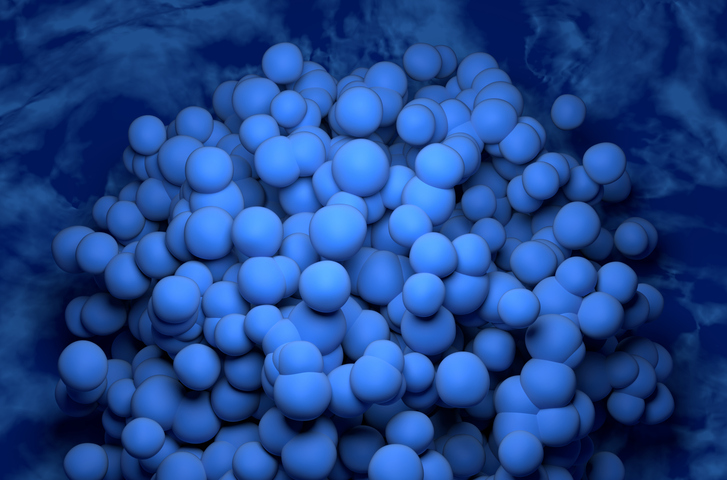
    Glioblastoma multiforme cells, illustration
    Share
    Facebook Twitter LinkedIn Pinterest Email

    Credit: NEMES LASZLO/SCIENCE PHOTO LIBRARY/Getty Images

    Glioblastoma (GBM) remains one of the most lethal brain cancers, with median survival just over a year. Even after surgery, radiation, and chemotherapy, virtually all tumors recur. Now, researchers at Sylvester Comprehensive Cancer Center and collaborators provide a new explanation for this resilience: GBM cells that break away from cell clusters acquire a dangerous flexibility known as plasticity, allowing them to adapt and resist treatment.

    “This gives us a much better grasp of the biology of glioblastoma, a tumor type where a lot still remains to be discovered,” said Anna Lasorella, MD, senior author of the study, published in Cancer Cell.

    Mapping tumors cell by cell

    The team, co-led by Antonio Iavarone, MD, used spatial transcriptomics—an advanced gene-expression mapping technology (CosMx platform)—to examine thousands of individual cells within patient tumors. This approach shows not only which genes are active but where each cell sits relative to its neighbors.

    In earlier work, the group had defined four molecular subtypes of GBM cells. This time, they asked how those subtypes are arranged inside tumors. They discovered that cells of the same subtype often form clusters, but some cells disperse into mixed areas. It was these dispersed cells that turned out to be the most worrisome.

    Dispersed cells are more plastic—and more aggressive

    Comparing gene expression profiles, the researchers found that dispersed cells lack key adhesion molecules that normally help cells stick together. At the same time, they express genes linked to plasticity, the ability to shift identity and behavior.

    “There has never really been an integrated explanation as to why cancer cells develop plasticity,” Iavarone explained. “That’s what our study does. We’ve now revealed how the plasticity of glioblastoma cells is controlled.”

    Plasticity is clinically significant because it is associated with therapy resistance and poor patient outcomes. The team speculates that standard treatments such as radiation or chemotherapy might inadvertently break apart clusters, giving rise to more dispersed, treatment-resistant cells.

    A principle that may extend beyond brain tumors

    The researchers also examined breast cancer samples, where they saw a similar pattern: dispersed cells were more plastic than clustered ones. This suggests that loss of cell–cell adhesion may be a general driver of solid tumor aggressiveness, even though GBM itself rarely metastasizes.

    “We think this principle is of general significance for solid tumors,” said Iavarone. “It provides an answer to why certain cells become so aggressive.”

    Toward therapies that keep cells “stuck”

    The findings point to an unexpected therapeutic angle: encouraging tumor cells to stay clustered might limit plasticity and slow disease progression.

    “If we can better understand this mechanism, we hope to one day be able to maintain the clustered cells that are less plastic in that state, or even reverse the dispersal of these more plastic cells,” Lasorella said.

    Future research will focus on identifying the adhesion proteins that help cells stay together and on testing whether strengthening those molecular bonds can counteract GBM’s deadly adaptability.

    Glioblastoma’s ability to recur and resist treatment remains a major clinical challenge. By showing that cellular architecture itself influences tumor behavior, this study suggests new biomarkers—such as the proportion of dispersed versus clustered cells—that could refine prognosis or guide therapy. If the same biology holds in other cancers, drugs designed to preserve or restore cell clustering might one day complement existing treatments across multiple solid tumors.

    Aggressive Cells Dispersed Glioblastoma Prove
    Share. Facebook Twitter Pinterest LinkedIn Tumblr WhatsApp Email
    Previous ArticleHigh-Protein Pancakes
    Next Article New kidney cancer guidelines are “wishful thinking” that NHS cannot deliver, expert warns
    admin
    • Website

    Related Posts

    First-in-Human Success for Prenatal Stem Cell Therapy in Spina Bifida

    February 28, 2026

    Pressure-Driven Pathway Links Liver Congestion to Fibrosis and Cancer

    February 28, 2026

    Genetic Biomarkers to Predict Efficacy of GLP-1 Therapies Uncovered

    February 28, 2026

    Mapping the Cellular Architecture of Aging Across 21 Organs

    February 28, 2026
    Leave A Reply Cancel Reply

    Our Picks

    9 Time-Saving Kitchen Gadgets for Fall at Amazon

    September 5, 2025

    Why Exercise Is So Important For Heart Health, From An MD

    September 5, 2025

    An Engineered Protein Helps Phagocytes Gobble Up Diseased Cells

    September 5, 2025

    How To Get Rid Of Hangnails + Causes From Experts

    September 5, 2025
    • Facebook
    • Twitter
    • Pinterest
    • Instagram
    • YouTube
    • Vimeo
    Don't Miss
    Longevity

    Nautilus debuts Voyager platform in push toward next-gen proteomics

    By adminMarch 1, 20260

    Company’s new benchtop system promises a clearer view of proteins following validation at a leading…

    First-in-Human Success for Prenatal Stem Cell Therapy in Spina Bifida

    February 28, 2026

    Pressure-Driven Pathway Links Liver Congestion to Fibrosis and Cancer

    February 28, 2026

    A cellular atlas of aging comes into focus

    February 28, 2026

    Subscribe to Updates

    Get the latest creative news from SmartMag about art & design.

    About Us

    At FineGut, our mission is simple: to enhance your self-awareness when it comes to your gut health. We believe that a healthy gut is the foundation of overall well-being, and understanding the brain–gut connection can truly transform the way you live.

    Our Picks

    9 Time-Saving Kitchen Gadgets for Fall at Amazon

    September 5, 2025

    Why Exercise Is So Important For Heart Health, From An MD

    September 5, 2025

    An Engineered Protein Helps Phagocytes Gobble Up Diseased Cells

    September 5, 2025
    Gut Health

    Nautilus debuts Voyager platform in push toward next-gen proteomics

    March 1, 2026

    First-in-Human Success for Prenatal Stem Cell Therapy in Spina Bifida

    February 28, 2026

    Pressure-Driven Pathway Links Liver Congestion to Fibrosis and Cancer

    February 28, 2026
    X (Twitter) YouTube
    • Contact us
    • Privacy Policy
    • Disclaimer
    • Terms and Conditions
    © 2026 finegut.com. Designed by Pro.

    Type above and press Enter to search. Press Esc to cancel.