
Close Menu
My Blog

    Subscribe to Updates

    Get the latest creative news from FooBar about art, design and business.

    What's Hot

    Nautilus debuts Voyager platform in push toward next-gen proteomics

    March 1, 2026

    First-in-Human Success for Prenatal Stem Cell Therapy in Spina Bifida

    February 28, 2026

    Pressure-Driven Pathway Links Liver Congestion to Fibrosis and Cancer

    February 28, 2026
    Facebook X (Twitter) Instagram
    X (Twitter) YouTube
    My BlogMy Blog
    Sunday, March 1
    • Home
    • About Us
    • Healthy Living
    • DNA & Genetics
    • Podcast
    • Shop
    My Blog
    Home»Microbiome»Wearable Tech Spots Overeating Triggers
    Microbiome

    Wearable Tech Spots Overeating Triggers

    adminBy adminSeptember 19, 2025No Comments3 Mins Read
    Facebook Twitter Pinterest LinkedIn Tumblr WhatsApp VKontakte Email
    Wearable Tech Spots Overeating Triggers
    Share
    Facebook Twitter LinkedIn Pinterest Email

    Credit: HABits Lab / Northwestern University

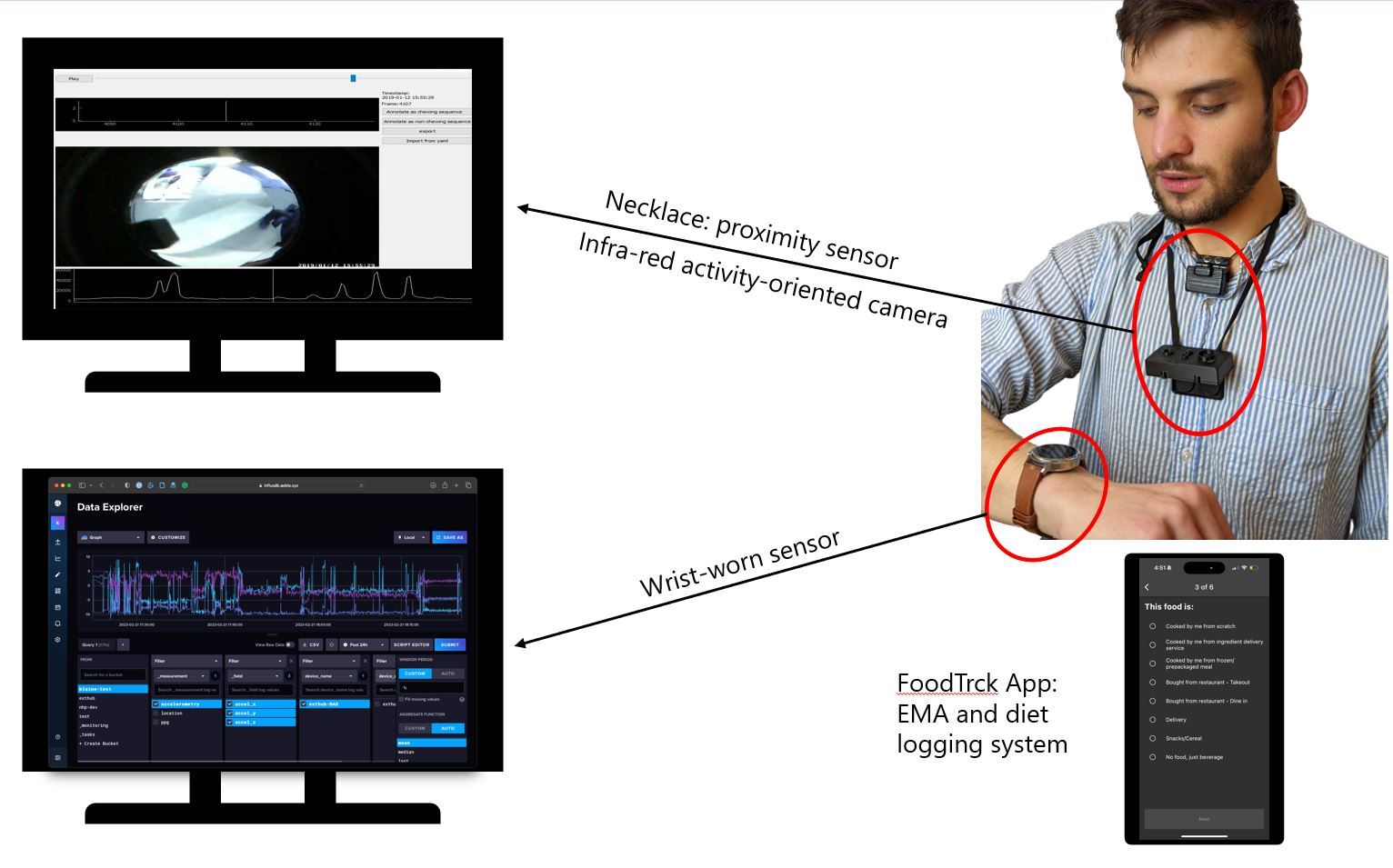
    Wearable technology could overhaul the treatment of obesity, research suggests, with sensors on a necklace and wristband together with a body camera capturing real-world overeating patterns for treatment.

    The tech, outlined in npj Digital Medicine, sets the scene for personalized interventions that can identify the specific drivers of overeating, tailoring treatment accordingly.

    The study identified five general patterns of overeating that occurred among the participants, which were triggered by specific behavioral and psychological and contextual factors.

    “Overeating is a major contributor to obesity, yet most treatments overlook the unconscious habits that drive it,” said corresponding author Nabil Alshurafa, PhD, from Northwestern University.

    The study began with 65 obese adults who wore the sensors and used a smartphone app to track mood and context relating to eating.

    Of these, 17 were excluded, mostly due to dropping out, leaving 48 participants among whom five overeating patterns emerged from the  thousands of hours of data and video footage recorded.

    The advanced technology provided detailed information, precisely and passively recording multiple eating behaviors, detecting when people ate, how fast they chewed, how many bites they took, and how many times their hands move to their mouths.

    The NeckSense necklace proximity sensor provided real-time information on chewing, with its algorithm differentiating this from talking. Shifts in ambient light detected gestures, such as taking a bite, while an accelerometer and gyroscope could detect if someone is leaning back to drink or leaning forward to eat.

    A nutrition monitor displayed calorie intake over the course of a day, week, and month. In addition, it could break down exactly what the user ate each day and the nutrition related to each meal.

    The HabitSense bodycam—a pioneering, patented activity-oriented camera—used thermal sensing so it could automatically censor all video except the hands and face and was triggered only when food entered its field of view. Raw video could be selectively blurred to filter out potentially privacy-sensitive surrounding information.

    There was also a wrist-worn device to track activity, like a FitBit or Apple Watch.

    The researchers gave the five identified overeating patterns particular titles according to their triggers: Take-out Feasting; Evening Restaurant Reveling; Evening Craving; Uncontrolled Pleasure Eating; and Stress-driven Evening Nibbling.

    “What struck me most was how overeating isn’t just about willpower,” said lead author Farzad Shahabi, who is a PhD student in Alshurafa’s lab.

    “Using passive sensing, we were able to uncover hidden consumption patterns in people’s real-world behavior that are emotional, behavioral, and contextual.

    “Seeing the patterns emerge from the data felt like turning on a light in a room we’ve all been stumbling through for decades.

    “Our long-term vision is to move beyond one-size-fits-all solutions and toward a world in which health technology feels less like a prescription and more like a partnership.”

    Overeating Spots tech Triggers Wearable
    Share. Facebook Twitter Pinterest LinkedIn Tumblr WhatsApp Email
    Previous ArticleHow to Make a Pumpkin Cream Cold Brew at Home
    Next Article Competition ratios: Hundreds of doctors compete for some specialty training posts, show “scandalous” NHS data
    admin
    • Website

    Related Posts

    First-in-Human Success for Prenatal Stem Cell Therapy in Spina Bifida

    February 28, 2026

    Pressure-Driven Pathway Links Liver Congestion to Fibrosis and Cancer

    February 28, 2026

    Genetic Biomarkers to Predict Efficacy of GLP-1 Therapies Uncovered

    February 28, 2026

    Mapping the Cellular Architecture of Aging Across 21 Organs

    February 28, 2026
    Leave A Reply Cancel Reply

    Our Picks

    9 Time-Saving Kitchen Gadgets for Fall at Amazon

    September 5, 2025

    Why Exercise Is So Important For Heart Health, From An MD

    September 5, 2025

    An Engineered Protein Helps Phagocytes Gobble Up Diseased Cells

    September 5, 2025

    How To Get Rid Of Hangnails + Causes From Experts

    September 5, 2025
    • Facebook
    • Twitter
    • Pinterest
    • Instagram
    • YouTube
    • Vimeo
    Don't Miss
    Longevity

    Nautilus debuts Voyager platform in push toward next-gen proteomics

    By adminMarch 1, 20260

    Company’s new benchtop system promises a clearer view of proteins following validation at a leading…

    First-in-Human Success for Prenatal Stem Cell Therapy in Spina Bifida

    February 28, 2026

    Pressure-Driven Pathway Links Liver Congestion to Fibrosis and Cancer

    February 28, 2026

    A cellular atlas of aging comes into focus

    February 28, 2026

    Subscribe to Updates

    Get the latest creative news from SmartMag about art & design.

    About Us

    At FineGut, our mission is simple: to enhance your self-awareness when it comes to your gut health. We believe that a healthy gut is the foundation of overall well-being, and understanding the brain–gut connection can truly transform the way you live.

    Our Picks

    9 Time-Saving Kitchen Gadgets for Fall at Amazon

    September 5, 2025

    Why Exercise Is So Important For Heart Health, From An MD

    September 5, 2025

    An Engineered Protein Helps Phagocytes Gobble Up Diseased Cells

    September 5, 2025
    Gut Health

    Nautilus debuts Voyager platform in push toward next-gen proteomics

    March 1, 2026

    First-in-Human Success for Prenatal Stem Cell Therapy in Spina Bifida

    February 28, 2026

    Pressure-Driven Pathway Links Liver Congestion to Fibrosis and Cancer

    February 28, 2026
    X (Twitter) YouTube
    • Contact us
    • Privacy Policy
    • Disclaimer
    • Terms and Conditions
    © 2026 finegut.com. Designed by Pro.

    Type above and press Enter to search. Press Esc to cancel.