

- Antioxidants are compounds that help defend against free radicals that contribute to oxidative stress.
- They’re found in a variety of fruits, vegetables, nuts, spices, and even chocolate and coffee.
- Eating an antioxidant-rich diet supports long-term heart, brain and immune health.
Antioxidants play an important role in keeping your body healthy. These natural compounds help defend against free radicals that contribute to oxidative stress—a process triggered not only by normal metabolism but also by environmental stressors like air pollution, UV rays, alcohol and smoking. In fact, it’s estimated that a single cell in your body can be exposed to free radicals thousands of times a day. Left unchecked, oxidative stress can damage cells and DNA, fueling inflammation, aging and chronic disease.
The good news: Including antioxidant-rich foods in your diet can protect your cells and support long-term health. Here are some of the best antioxidant-rich foods according to nutrition experts.
1. Blueberries
When we asked dietitians for the best antioxidant-rich foods, blueberries topped the list—and for good reason. They’re rich in anthocyanins—the plant compounds that give them their deep blue-purple color—and contain up to 9 millimoles (mmol) of antioxidants in a single 3.5-ounce serving.
There’s also strong evidence for their health benefits. “Blueberry intake has been associated with improved heart health, lower blood pressure and reduced DNA damage due to oxidation,” says Eliza Whitaker, M.S., RDN.
Wild blueberries in particular stand out. “Because they’re smaller than ordinary blueberries, you get more skin per bite (and a higher skin-to-pulp ratio), which means more antioxidants and polyphenols in every spoonful,” explains Kitty Broihier, M.S., RD, LD, nutrition advisor to the Wild Blueberry Association of North America. Research also links daily wild blueberry intake with benefits for memory, blood vessel health and blood sugar control.,,
2. Dark Chocolate
If you’re a chocolate lover, you’ll be happy to hear that it’s packed with antioxidants that offer major health benefits. “Polyphenols and flavonoids are the main antioxidants found in dark chocolate, which help combat oxidative stress and support cardiovascular health,” says Whitaker. A 3.5-ounce (100-gram) bar contains about 15 mmol of antioxidants, significantly more than milk or white chocolate.
Research shows these compounds may improve blood vessel function, reduce blood pressure and positively influence cholesterol levels—all of which support long-term heart health. Studies also suggest regular dark chocolate consumption can reduce oxidative stress markers and improve endothelial function, which plays a role in healthy circulation.
For the most benefit, choose chocolate with at least 70% cocoa, since higher cocoa content generally means more antioxidants.
3. Walnuts
These brain-shaped nuts have an impressive antioxidant profile, including phenolic compounds, flavonoids, Vitamin E and even melatonin. Most of these compounds are found in the nut’s papery skin, making it especially nutrient-dense. Walnuts provide nearly 22 mmol of antioxidants per 3.5 ounces (100 grams), placing them among the most antioxidant-rich nuts.
The benefits of eating walnuts span multiple systems in the body. “Walnuts are rich in polyunsaturated fatty acids, ellagitannins and tocopherols that support heart, brain and gut health and may reduce the risk of cancer,” says Whitaker.,
The best part? You don’t need a lot of them to make an impact. Researchers measure antioxidant strength using a marker called EC50, which shows how much of a substance is needed to have an effect. The lower the number, the stronger the antioxidant. “For walnuts, the EC50 is less than 1 milligram per milliliter—meaning it takes only a small amount to get a big antioxidant effect,” says Jessica Strawn, M.A., RDN, a Houston-based registered dietitian. That means a sprinkle here and there—in oatmeal, on salads or as a snack—can really add up.
4. Coffee
Your morning cup of coffee is more than just an energy boost—it’s also a good source of antioxidants. Brewed coffee contains about 2.5 mmol of antioxidants per 3.5 ounces (100 grams). In comparison, espresso packs in even more at 14.2 mmol. These free radical fighters come from a wide range of compounds, including polyphenols, melanoidins and several types of caffeoylquinic acids.
“While the exact antioxidant profile varies by roast and brewing method, research consistently shows that regular coffee consumption helps fight oxidative stress and may protect brain and liver health,” says Strawn. Studies also link moderate coffee intake with a lower risk of type 2 diabetes, heart disease and neurodegenerative conditions like Alzheimer’s and Parkinson’s.
5. Apples
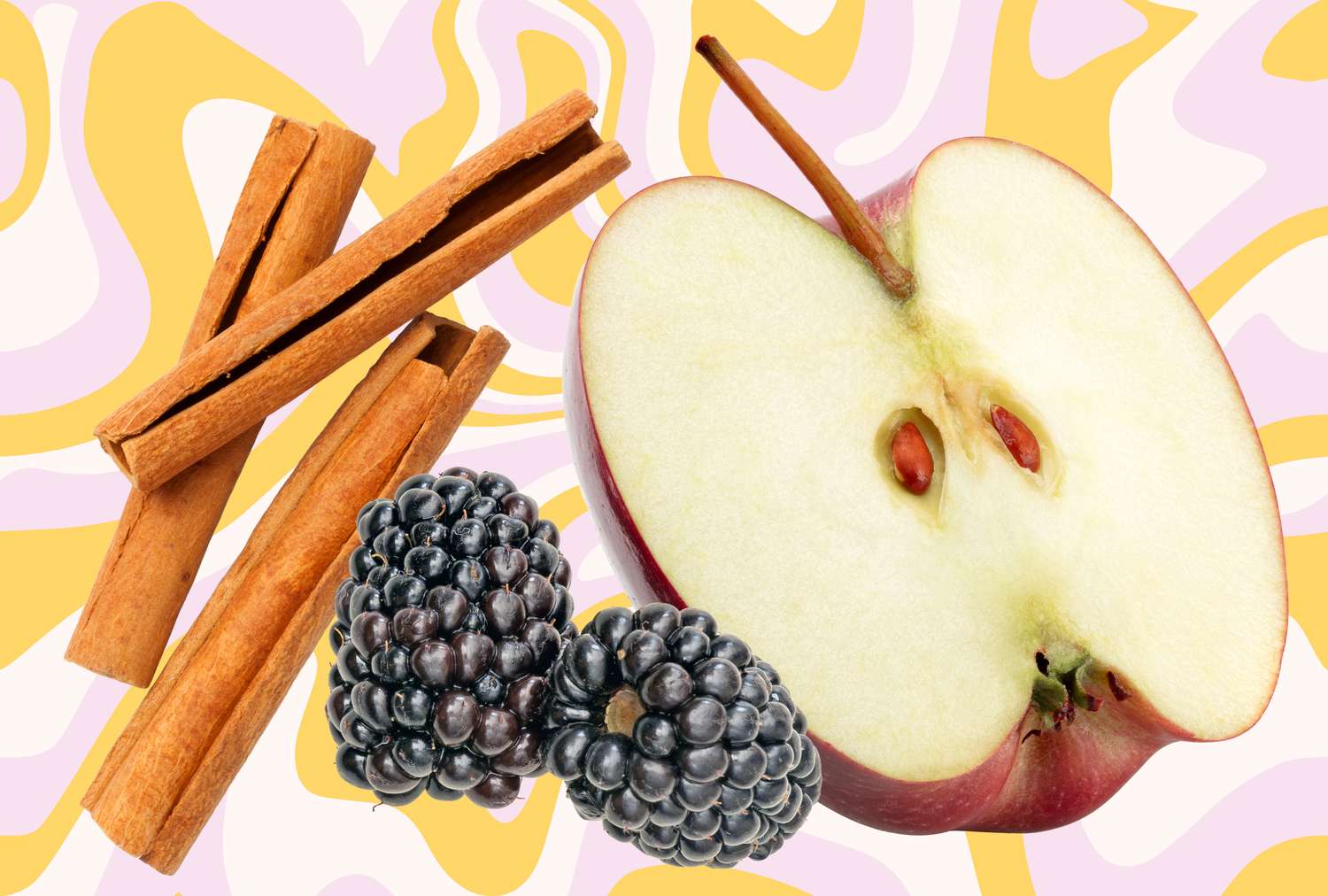
You’ve heard the old saying: “An apple a day keeps the doctor away.” It might sound cliché, but apples are filled with nutrients and antioxidants that give the phrase some weight. These fruits are loaded with polyphenols—including procyanidins, phloridzin, and chlorogenic acid—as well as vitamin C and vitamin E. A fresh apple provides about 0.4 mmol of antioxidants per 3.5 ounces (100 grams), and dried apples are even more concentrated at 3.8 mmol.
While their antioxidant content is on the lower end compared to some other foods, research shows that apples may help reduce inflammation, improve cholesterol and support healthy blood vessels—all of which contribute to better heart health. Studies also suggest apples can support the body’s antioxidant defenses and promote gut health, which may play a role in lowering the risk of obesity and metabolic disease.
According to Strawn, most of these protective antioxidants are found in the skin, so eat the whole apple to get the most bang for your buck.
6. Blackberries
Blackberries are packed with health-supporting antioxidants, including anthocyanins. They also contain vitamin C, vitamin E and a variety of polyphenols that help combat oxidative stress. These tiny but mighty berries provide about 6 mmol of antioxidants per 3.5 ounces (100 grams), putting them among the richest fruit sources.
Experts agree: Berries are powerful antioxidant foods that help protect against aging and chronic disease. Regularly including them in your diet can help reduce inflammation and improve cardiovascular health. Their antioxidants may also play a role in protecting against age-related cognitive decline and supporting immune function.
7. Herbs and Spices
Adding herbs and spices to your meals is an easy way to boost both flavor and antioxidant intake. Ground cloves are often used in Indian and Middle Eastern cuisines. You’ll also find them in pumpkin pie, gingerbread and pumpkin spice bread recipes.
This spice has an impressive 465 mmol of antioxidants per 100 grams—but to put that in perspective, 100 grams is about a full cup of ground cloves, far more than you’d ever use in cooking or baking. That said, even a small teaspoon can contribute to your overall antioxidant intake.
Cloves are especially rich in eugenol, a compound that helps neutralize free radicals and protect cells from oxidative stress, says Whitaker. Beyond its antioxidant power, research shows that eugenol also has anti-inflammatory, antimicrobial, and even pain-relieving properties.
Other herbs and spices—like ginger, oregano, sage and thyme—also contain antioxidants that offer similar health benefits.,
Antioxidant Rich Meal Plan to Try
Our Expert Take
Antioxidants aren’t found in a single superfood—they’re spread across a wide variety of fruits, vegetables, nuts and even spices. Since different foods offer different types of antioxidants, each with its own unique benefits, variety is key.
To get the most out of these health-promoting compounds, eat a colorful mix of plant foods, sip a daily cup of coffee (or two), snack on dark chocolate and spruce up your meals with herbs and spices. Doing so not only provides a satisfying diet, but also helps reduce inflammation and supports long-term heart, brain and immune health.
