

- Nanoplastics and microplastics are small particles of plastic that can end up in your body.
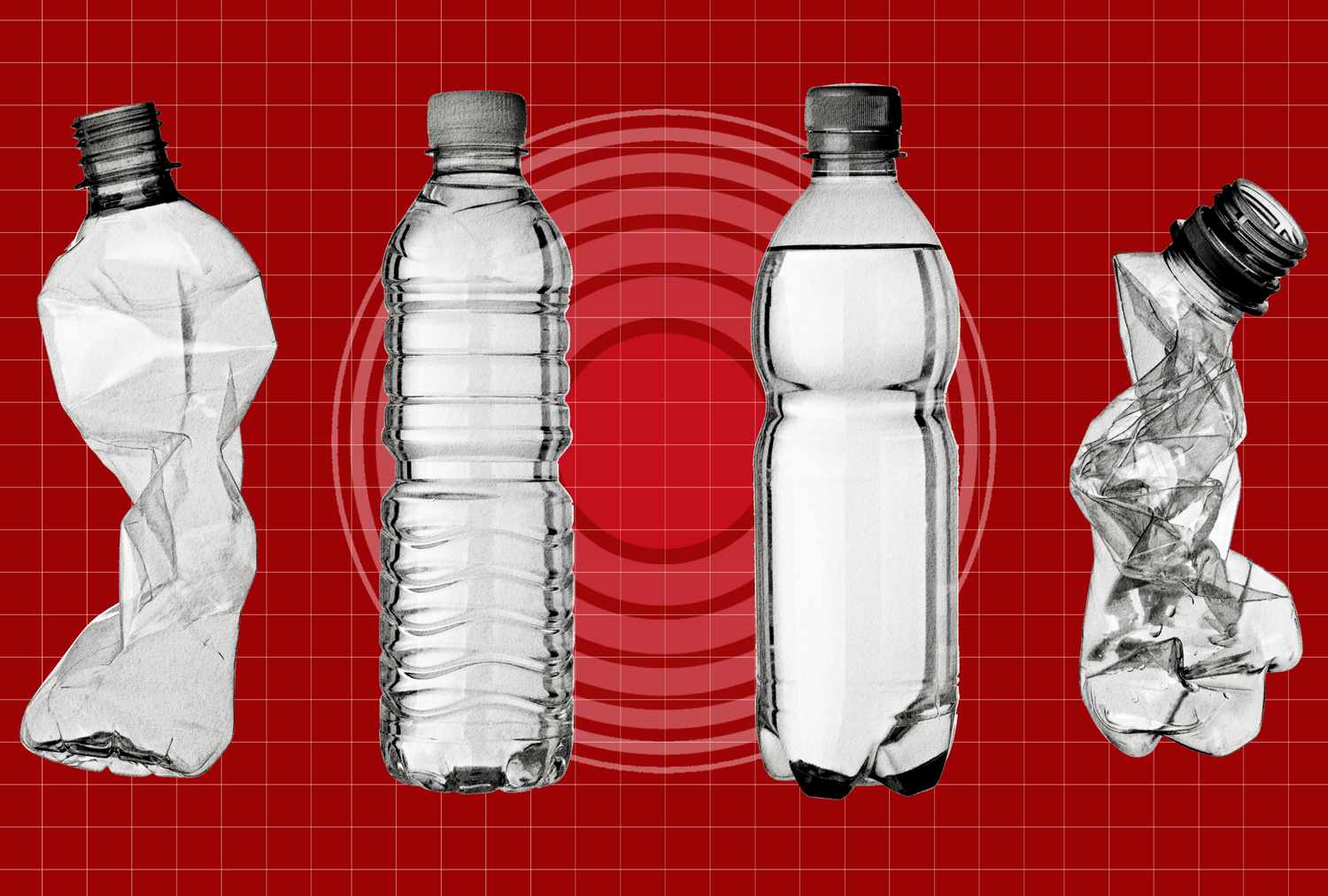
- These microscopic particles are prevalent in disposable water bottles.
- Switch to reusable water bottles, like glass or stainless steel, to help limit your risk.
We know we need to stay well-hydrated for our bodily systems to function properly and for overall good health. You can see evidence of people embracing this concept in the number of people who carry a water bottle everywhere they go. But does the type of bottle matter?
Centuries ago, people used animal skins to carry water on the go. Eventually, metal containers were all the rage (glass broke too easily) and then, with the invention of plastic, disposable and reusable water bottles became popular. But as with most things we buy out of convenience, there are pros and cons.
Scientists have become more interested in learning about microplastics and nanoplastics, microscopic particles of plastic that enter the body through the mouth or lungs and deposit themselves into major organs, including the brain and liver. Some research suggests that accumulations of microplastics may increase the risk of some conditions, including hypertension, stroke and diabetes.
And because these nano- and microplastics can disrupt the gut’s microbiome, they could increase the risk of digestive issues, as well as problems with the immune system. A disrupted, unbalanced microbiome, sometimes called dysbiosis, can also lead to systemic inflammation and increase chronic disease risk.
And now, scientists at Concordia University in Montreal, Canada, have added to the mounting evidence regarding plastic water bottles and their potential effect on human health. They published their findings in the Journal of Hazardous Materials. Let’s break down what they found.
How Was This Study Conducted?
This study was a review article, focusing on single-use plastic water bottles, not reusable ones. Scientists searched databases and found over 141 research articles that met their criteria. The researchers only used studies that focus on nanoplastic contamination related to single-use plastic water bottles.
Since this was a narrative review, researchers simply reported on the findings of these other studies and compiled information from them.
What Did This Study Show?
Several themes surfaced from this review. Here’s what to know:
- Size matters when it comes to microplastics. The smaller the plastic particle, the higher the risk of it being transported from the intestines into the bloodstream and transported into major organs, including the brain, liver and heart. Nanoplastics are the smallest particles, followed by microplastics and macroplastics. Macroplastics have the lowest risk of entering the bloodstream.
- If given a choice, go for tap water. Statistics suggest that the average person ingests 39,000 to 52,000 microplastic particles per year, with bottled water consumers ingesting up to 90,000 more particles than tap water consumers.
- Nano- and microplastics may increase chronic health risks. That includes respiratory diseases, reproductive issues, neurotoxicity (including diseases of the brain) and an increased risk of cancer.
Researchers note that the release of nano- and microplastics into your water bottle increases when the bottle is exposed to sunlight. Even creating more friction with the bottle, which happens when you squeeze it or by taking the cap on and off repeatedly, increases the release of these particles into the water and ultimately, into your body.
Study authors point out several limitations of the studies included in this review. For example, many of them had small sample sizes and inconsistent lab conditions. There was also a lack of standardized measurement protocols regarding nano- and microplastic measurements.
How Does This Apply to Real Life?
When plastic was first invented, it changed the world in many ways. Now, there was an alternative to other materials, like glass, wood and metal, that was more durable and in some ways “forever.” But when we trade one thing for another, there is usually some cost involved. In the case of single-use water bottles, the cost may affect your health.
The plastic debate has been in the spotlight recently, and it goes beyond just water bottles. We now know we should swap plastic kitchen utensils (we like bamboo) and we shouldn’t microwave leftovers in plastic takeout containers—or any plastic containers for that matter (though some say that as long as the plastic says that it’s microwave safe, it should be OK). In fact, some recommend ditching plastic storage containers altogether and opting for glass ones instead. Scientists have even found that microplastics can hang out in tea bags, which means they end up in your tea and into your body.
And what about your water bottle? While much is still unknown, harder plastics, like what reusable water bottles are made from, are probably safe. If you want to reduce your plastic exposure, though, consider switching to a metal or glass bottle. (With that said, metal can also pose a risk if heavy metals are used during production.) Overall, glass may be the safest option. Choose one made from borosilicate glass, since it tends to be less delicate than other types of glass, with a silicone cover to protect it.
Our Expert Take
This review suggests that one-use, disposable water bottles may release nano- and microparticles into the water and ultimately, into your body and organs. For this reason, it’s recommended that you limit your use of them. If you’re on the road and need hydration, and disposable bottles are your only option, keep them out of the sun and heat, and avoid handling them too much (including squeezing them and continually twisting the cap on and off). If you have your reusable water bottle with you, pour the water from the one-use bottle into your reusable bottle to reduce the risk of releasing nano- and microparticles from too much handling of the disposable bottle.
