

- Neurologists recommend berries as one of the best foods to support long-term brain health.
- Rich in flavonoids, berries provide antioxidant and anti-inflammatory benefits for the brain.
- Enjoy berries on their own, tossed into salads or breakfast bowls, or blended in a tasty sauce.
The foods you eat have a direct impact on your brain’s health, including how it ages. Following a healthy dietary pattern has been linked with slower brain aging and a lower risk of age-related cognitive decline. “What we eat every day can influence how [our] genes are expressed and how our brains age,” says Kellyann Niotis, M.D. “To me, that’s the heart of preventive neurology—using lifestyle, especially diet, as a tool to preserve cognition and quality of life over the long term.”
So what do neurologists actually put on their plates to protect their minds? While many brain-supporting foods are staples in their diets, one stood out as a top choice among three neurologists we spoke with.
Why Berries Are Neurologists’ Top Brain-Healthy Food
Blueberries, raspberries, blackberries—no matter the type, all berries are great for your brain. Here’s why.
They’re a Rich Source of Antioxidants
Berries’ vibrant red, blue and purple hues are a strong sign they’re packed with flavonoids—plant pigments that have antioxidant properties. “[These compounds] support brain health by reducing inflammation and improving communication between brain cells,” says Niotis.
They’re also a cornerstone of the MIND diet, which emphasizes antioxidant-rich foods. Berries are recommended in particular for their anthocyanins, a type of flavonoid with neuroprotective effects.
Berries are also rich in vitamin C, a powerful antioxidant, notes Ella Akkerman, M.D. Vitamin C supports brain health by protecting it from oxidative stress, which can contribute to the buildup of beta-amyloid proteins associated with Alzheimer’s disease.
For perspective, 1 cup of strawberries provides 89 milligrams of vitamin C—nearly 100% of the Daily Value. Raspberries and blackberries deliver a bit less but still meaningful amounts, offering around 39% and 45% DV per cup, respectively.
They May Improve Memory
Having trouble with recall? To give your brain a boost, consider blueberries. “The one food I try to eat daily is blueberries,” says Jean-Raphael Schneider, M.D. He highlights their anti-inflammatory flavonoids, which may support healthy brain aging. “Research has shown that these compounds may improve memory and slow cognitive decline over time,” he adds.
Blueberries and other berries may be especially beneficial for people at higher risk of cognitive decline. In one study of adults aged 50 and 65 with self-reported cognitive decline, those who consumed blueberry powder daily (equivalent to about half a cup of fresh blueberries) for 12 weeks performed better on memory tests than those given a placebo. A follow-up study by the same researchers observed a similar memory benefit with strawberry powder.
They May Support Metabolic Health
Eating berries is associated with improvements in key risk factors for metabolic syndrome and heart disease, including body weight, blood pressure, cholesterol, triglycerides and insulin levels. These metabolic factors are closely tied to brain health. In fact, studies show that metabolic syndrome is linked with reduced brain volume and gray matter—important areas for thinking and memory—as well as poorer performance on cognitive tests of memory, processing speed, reasoning and executive function.
4 Ways to Add Berries to Your Diet
“For me, [berries] are an easy, enjoyable way to nourish my brain,” says Niotis. Here’s how to make them a regular part of your day:
- Add Them to Breakfast. Berries are a classic staple that can be enjoyed on their own or added to breakfast dishes. “Even my own kids eat a cup of berries every morning,” says Akkerman. Schneider adds that he often tosses a handful into oatmeal, yogurt or a smoothie. They also make a delicious, naturally sweet sauce for pancakes or waffles, offering a healthier alternative to sugary syrups.
- Jazz Up Lunch and Dinner. Berries aren’t just for sweet dishes—they add bright flavor to savory ones too. Try adding them to salads or using them in a savory sauce over poultry or fish.
- Use Them in Dessert. Excessive sugar intake—especially from added sugars—is associated with an increased risk of dementia. For a healthier sweet treat, try topping your desserts with berries instead of sugar. Whether added fresh, cooked into a compote or served on their own, berries make a delicious addition to angel food cake, ice cream or other desserts.
- Eat Them as a Snack. Schneider recommends starting with a small handful of berries a few times per week, such as for a quick snack. “The key is consistency over time rather than eating a large amount just once in a while.”
Other Brain-Healthy Foods
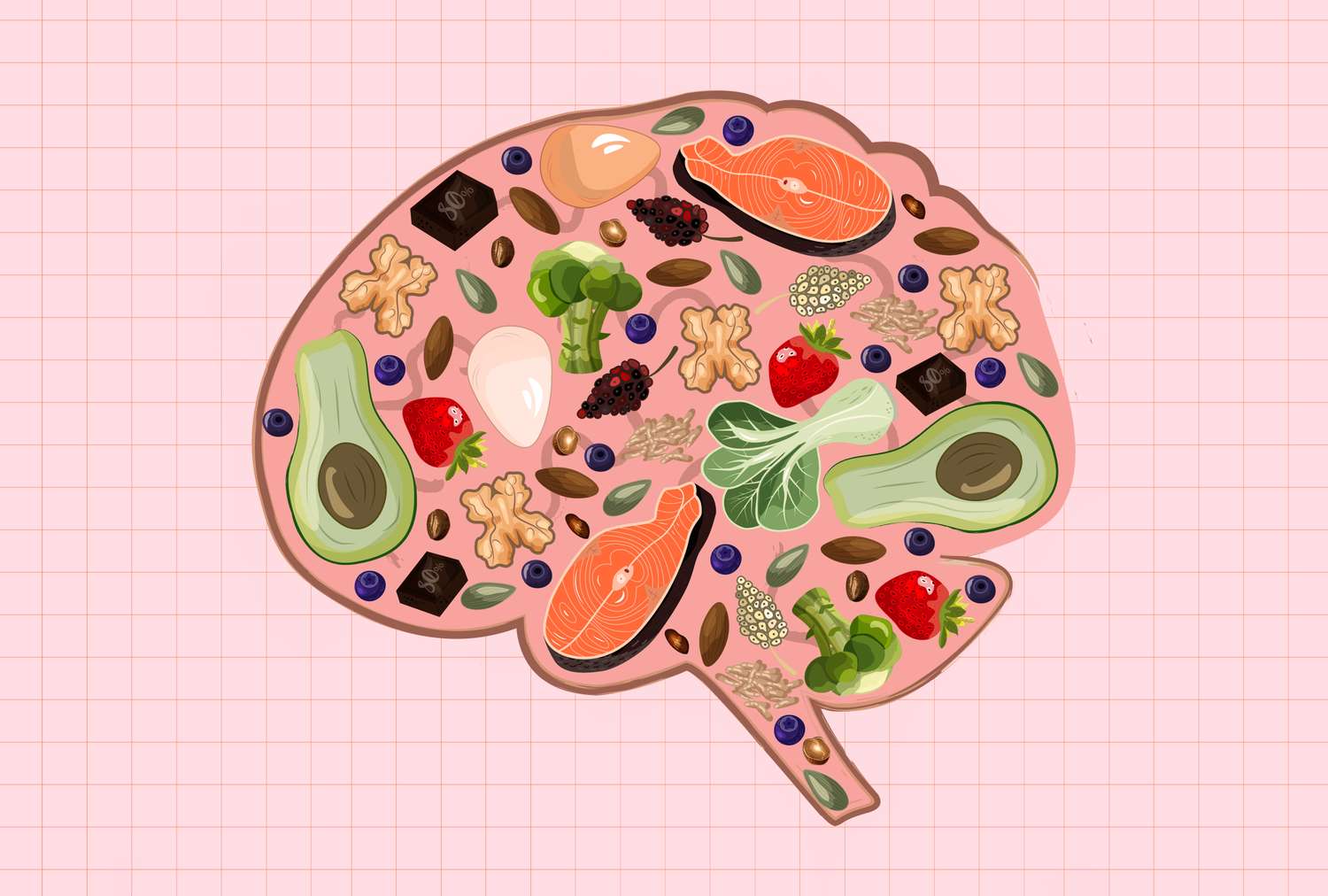
A brain-friendly diet isn’t limited to berries—many other foods offer antioxidant and anti-inflammatory benefits. “Leafy greens like spinach, kale and arugula are another staple for me. They’re packed with nutrients like folate and lutein, which are shown to support cognition,” says Niotis. Schneider and Akkerman also include nuts like walnuts, almonds and pecans for healthy fats and antioxidants. Finally, they all eat plenty of probiotic-rich foods to support a healthy gut microbiome that’s linked to better brain health.
Overall, they emphasize a balanced, whole-food diet. “While no single food is a magic solution, a balanced diet rich in whole, unprocessed foods can make a real difference,” says Schneider.
Our Expert Take
Want to eat like a neurologist? Start with berries. Experts recommend them for their antioxidant and anti-inflammatory properties, which may lower the risk of cognitive decline and support long-term brain health. With so many varieties, they’re easy to enjoy in countless ways.
Beyond berries, experts encourage eating a whole, minimally processed diet rich in nutrient-dense foods to support brain health and lay the foundation for a healthy body and mind.
