


Food production is driving 30% of global greenhouse gas (GHG) emissions and transgressing the planetary boundaries, a new report warns. Although the world produces plenty of food calories for everyone, almost 3.7 billion people lack access to healthy diets, fair wages, or clean environments.
The 2025 EAT-Lancet Commission’s analysis of global food systems has sparked conversations about how food choices affect health and the planet and outlines updated science-based targets to feed 9.6 billion people sustainably by 2050.
It touts the benefits of the Planetary Health Diet (PHD), which encourages a plant-rich diet that, if globally adopted, can reportedly prevent up to 15 million premature deaths yearly while cutting emissions significantly.
The commission suggests that if there is a total global shift to PHD with strong climate policies for reducing emissions across all sectors, GHG could fall from 7.35 gigatonnes to 2.75 gigatonnes CO2 — the equivalent of removing emissions from all coal-fired power plants globally. This scenario includes a 7% reduction in agricultural land use, opening doors to biodiversity restoration.
It underlines that food systems are not separate from social justice and urges equitable access to nutritious food, fairer work conditions, and inclusive governance. Transformative changes in the production and consumption of food are necessary to improve public health and sustainability.
“The evidence laid out in our report is clear: the world must act boldly and equitably to ensure sustainable improvements. The choices we make today will determine the health of people and the planet for generations,” says Shakuntala Haraksingh Thilsted, commission co-chair and director for nutrition, health, and food security at the Consultative Group on International Agricultural Research (CGIAR).
Align investments
The commission points out that food systems impose hidden costs from various sources, such as healthcare and environmental burdens, totalling US$15 trillion annually. Economically, this shows a need for transformation. If US$200–500 billion were invested annually toward this cause, the study predicts it would bring US$5 trillion in returns each year.
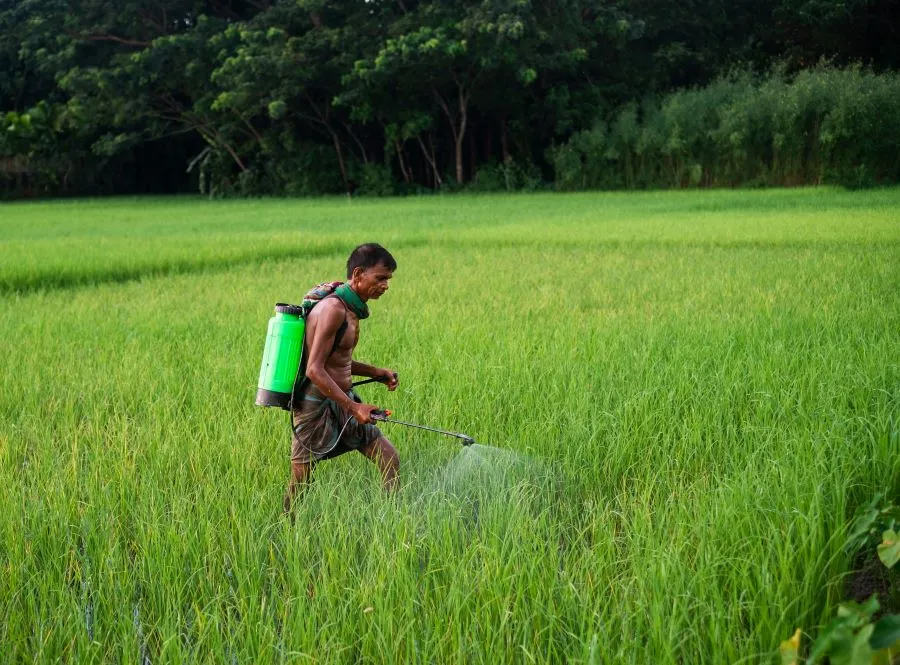 Nearly half the world lacks access to healthy diets, fair wages, or clean environments.The report points to repurposing agricultural and fisheries subsidies, climate and biodiversity finance, and private investment to fund this shift — all aligned with environmental and social targets. Low-income countries should receive overseas development aid or targeted debt relief.
“The private sector can play a crucial role in transformation, but an effective food system transformation needs to ensure that decision-making is for the public good and protected from undue corporate influence,” Line Gordon, commissioner and director of the Stockholm Resilience Centre at Stockholm University, Sweden.
“Justice is not just a goal of food system transformation but a prerequisite for its success.”
She says that investing in and scaling food systems is the best way to move to a sustainable, equitable future. The commission underlines the need for strong partnerships for combined policies, such as a tax on unhealthy foods with subsidies for fruits and vegetables.
Inclusive diet: Cultural and individual preferences
The PHD means eating minimally processed foods and having a moderate intake of animal products, which the report says can significantly reduce risks of chronic diseases. It factors in new evidence and integrates cultural relevance, social equity, and inclusive nutritional guidance.
“The PHD is not a one-size-fits-all approach,” states Walter C. Willett, commission co-chair and professor of epidemiology and nutrition at Harvard T.H. Chan School of Public Health, US. “It allows for cultural diversity and individual preferences, providing flexibility within clear guidelines to achieve optimal health and sustainability outcomes worldwide.”
In 2019, the WHO withdrew endorsement of the EAT-Lancet diet, citing that widespread adoption of the diet could risk jobs and traditional diets linked to cultural heritage.
Sustainable eating measures
The diet emphasizes the need for adaptations of food fortification and supplement strategies for specific populations to meet the nutrient gaps.
At the same time, the PHD reduces reliance on resource-intensive foods like red meat, significantly lowering GHG emissions, land and water use, and nutrient pollution.
Adopting the Planetary Health Diet could prevent 15 million premature deaths every year.According to the report, the global alignment of PHD reduced carbon emissions by more than 15% when compared to 2020 data. This figure rises to 20% with a 50% reduction in food loss and waste, and improved production practices.
In short, the PHD recommends eating around
- 150 g of whole grains, or 3–4 servings per day.
- 500 g of fruits and vegetables, or at least five servings a day.
- 25 g nuts, or one serving daily.
- 75 g legumes, or one serving daily.
- 0–200 g of red meat, or one serving per week.
- 0–400 g of poultry, or two servings per week.
- 0–700 g of fish, or two servings per week.
- 3–4 eggs per week.
- 0–500 g of dairy per day, or one serving of milk, yogurt, or cheese per day.
Additionally, the PHD limits added sugars, saturated fats, and salt due to disease-causing reasons.
Food systems leading climate change
Food systems are one of the leading causes of climate change, the report warns, with the largest coming from meat production, methane from rice production, land-use change, and deforestation.
 Equity and justice are essential for building sustainable food systems that nourish both people and the planet.“Transforming food systems is a significant environmental and social challenge, but it is a precondition for us to have a chance of returning within a safe climate system and a healthy planet,” says Johan Rockström, commission co-chair and director of the Potsdam Institute for Climate Impact Research.
The report points to the potential of regenerative agriculture and sustainable intensification as a method to reduce GHG, improve soil health, conserve biodiversity, and improve water use.
According to the report, transforming food systems is critical for planetary health and is currently the leading cause of breaching five of nine planetary boundaries that keep healthy life systems alive and on which human development is based.
“Equity and justice are not optional”
The report rings the alarm bell of inequity, as diets of the wealthiest 30% of the global population are responsible for almost 70% of the overall climate impact caused by food systems.
In contrast, almost 50% of the global population cannot access affordable healthy diets, fair wages, and safe environments.
“Equity and justice are not optional — they are prerequisites for resilient and sustainable food systems,” said Christina Hicks, commissioner and professor of social science at Lancaster University, UK. “Without addressing entrenched inequalities within current food systems, no transformation will be complete or lasting.”
Recent Healthy Diet Basket analysis found that a healthy diet is unaffordable for 2.8 billion people worldwide — even the cheapest healthy diets cost more than low-income people can afford.
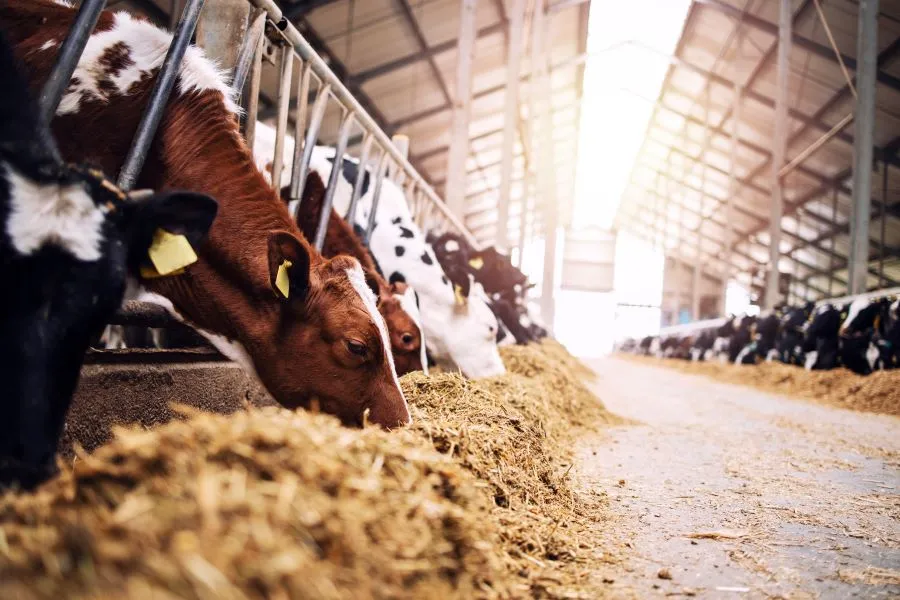 Food systems drive 30% of global greenhouse gas emissions — yet hold the key to restoring planetary health.The EAT-Lancet report flags millions of children working in agricultural labor, and 32% of food workers earn below living wages, many under unsafe conditions. The commission calls for policy improvements that target these issues.
Top eight solutions
To address global food systems, the commission suggests eight solutions for advancing global and planetary health and social equity. This includes changing diets aligned with the PHD and protecting and promoting healthy, culturally appropriate diets.
It advises changing farming practices that increase productivity and minimize environmental impacts. Meanwhile, natural habitats should be preserved for biodiversity.
Inefficiency should be tackled to lower food waste across the supply chain and to lower resource use and emissions. Also, workers in the system should receive fair pay and safe working conditions.
Smallholder farmers, indigenous peoples, women, and marginalized communities should participate in decision-making processes that would affect them, the commission notes. Lastly, social safety nets, equitable access to resources, and targeted support to alleviate poverty should close the gaps in food and nutrition security.
