
Close Menu
My Blog

    Subscribe to Updates

    Get the latest creative news from FooBar about art, design and business.

    What's Hot

    Nautilus debuts Voyager platform in push toward next-gen proteomics

    March 1, 2026

    First-in-Human Success for Prenatal Stem Cell Therapy in Spina Bifida

    February 28, 2026

    Pressure-Driven Pathway Links Liver Congestion to Fibrosis and Cancer

    February 28, 2026
    Facebook X (Twitter) Instagram
    X (Twitter) YouTube
    My BlogMy Blog
    Sunday, March 1
    • Home
    • About Us
    • Healthy Living
    • DNA & Genetics
    • Podcast
    • Shop
    My Blog
    Home»Probiotics»Microplastics alter gut microbiome with patterns linked to depression and colorectal cancer
    Probiotics

    Microplastics alter gut microbiome with patterns linked to depression and colorectal cancer

    adminBy adminOctober 7, 2025No Comments3 Mins Read
    Facebook Twitter Pinterest LinkedIn Tumblr WhatsApp VKontakte Email
    mainsitelogo
    Share
    Facebook Twitter LinkedIn Pinterest Email

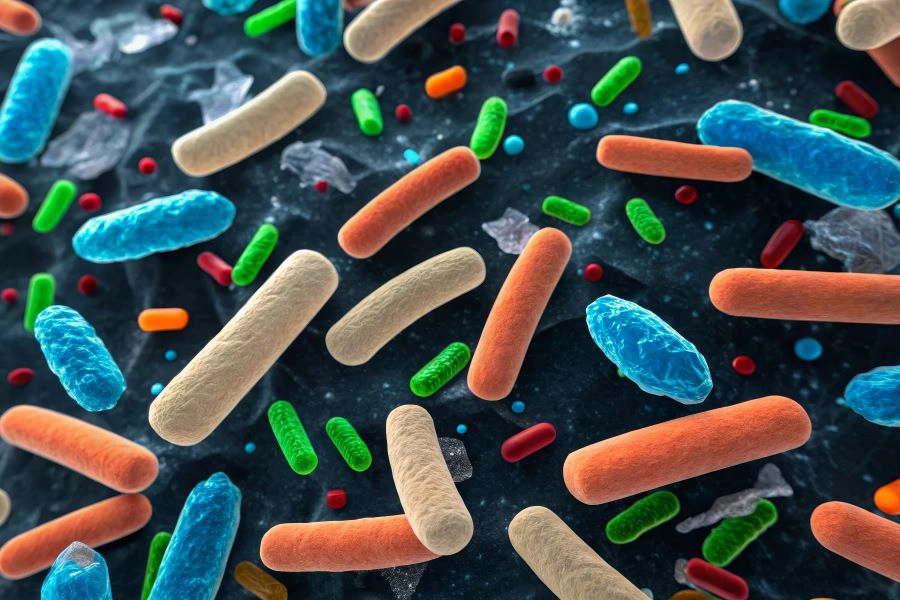
    New research finds that microplastics can change the human gut microbiome, causing patterns linked to depression and colorectal cancer. The gut microbiome is a major focus in nutrition, as it holds the key to overcoming several health issues.

    The study, conducted under the CBmed research center and its international partners’ microONE research project, is touted to be among the first to directly study how different types of microplastics interact with the human gut microbiome.

    The researchers examined stool samples from five healthy volunteers, which were used to grow ex vivo gut microbiome cultures exposed to common microplastics. They found that the total bacterial number remained stable. However, acidity levels in microplastic-treated cultures decreased, indicating a shift in microbial activity.

    This was seen in bacterial families like Lachnospiraceae, Oscillospiraceae, Enterobacteriaceae, and Ruminococcaceae, corresponding to pH shifts. The majority of these are found in the gut, and they are essential for digestion and gut health.

    Changes linked to disease patterns

    The stool samples were exposed to polystyrene, polypropylene, low-density polyethylene, poly(methyl methacrylate), and polyethylene terephthalate at levels that reflect estimated human exposure, the researchers explain. 

    They were also exposed to these microplastics at higher concentrations to examine dose effects.

    The researchers detail that some microplastics changed valeric acid, 5-aminopentanoic acid levels, lysine, or lactic acid, reflecting the complex interactions between microplastic-microbiome interactions.

    They express concerns as the changes induced by microplastics are similar to microbial composition patterns linked to diseases, warning of the potential implications of these pollutants on disease risk.

    Lead author Christian Pacher-Deutsch explains: “At this stage, the exact pathways remain unclear, but several plausible explanations are emerging.”

    “Microplastics may change microbial composition by creating physical or chemical environments that favor certain bacteria. For instance, biofilms can form on microplastic surfaces, providing new niches that some microbes colonize more rapidly.”

    Microplastics disrupt the microbiome

    Microplastics are tiny pieces of plastic smaller than 5 mm that have spread extensively in ecosystems and bodies. 

    “Microplastics may also carry chemical substances that directly influence bacterial metabolism,” says Pacher-Deutsch. “This can lead to changes in acid production, which may serve as a bacterial stress response, unintentionally altering the gut’s pH. These shifts could then trigger feedback loops that further affect the balance of the microbiome.”

    “These findings are significant given how pervasive microplastic exposure is in everyday life. Microplastics have been found in fish, salt, bottled water, and tap water, meaning that most people are exposed daily through ingestion, inhalation, and skin contact.”

    Plastics have been detected in most categories of consumed foods, drinking water, and human breastmilk and feces, with oral ingestion as the primary source of exposure to microplastics. A previous study found its harmful impact on gut microbiota in aquatic and terrestrial animal and mouse models, promoting intestinal dysbiosis, metabolic perturbed functions and an inflammatory gut environment, and systemic effects, of which the long-term consequences remain unclear.

    “The key takeaway is that microplastics do have an impact on our microbiome. While it’s too early to make definitive health claims, the microbiome plays a central role in many aspects of well-being, from digestion to mental health. Reducing microplastic exposure where possible is therefore a wise and important precaution,” Pacher-Deutsch concludes.

    Alter Cancer Colorectal depression Gut linked microbiome Microplastics patterns
    Share. Facebook Twitter Pinterest LinkedIn Tumblr WhatsApp Email
    Previous ArticleTop 10 Spatial Biology Companies of 2025
    Next Article Roasted Garlic-Butter Butternut Squash
    admin
    • Website

    Related Posts

    Pressure-Driven Pathway Links Liver Congestion to Fibrosis and Cancer

    February 28, 2026

    Advanced Brain Cancer Survival Rates Double with LITT

    February 27, 2026

    Cigarette Consumption Linked to Rare Ancestry-Specific Coding Variants

    February 27, 2026

    Microbe Mix Key to Gut Health

    February 27, 2026
    Leave A Reply Cancel Reply

    Our Picks

    9 Time-Saving Kitchen Gadgets for Fall at Amazon

    September 5, 2025

    Why Exercise Is So Important For Heart Health, From An MD

    September 5, 2025

    An Engineered Protein Helps Phagocytes Gobble Up Diseased Cells

    September 5, 2025

    How To Get Rid Of Hangnails + Causes From Experts

    September 5, 2025
    • Facebook
    • Twitter
    • Pinterest
    • Instagram
    • YouTube
    • Vimeo
    Don't Miss
    Longevity

    Nautilus debuts Voyager platform in push toward next-gen proteomics

    By adminMarch 1, 20260

    Company’s new benchtop system promises a clearer view of proteins following validation at a leading…

    First-in-Human Success for Prenatal Stem Cell Therapy in Spina Bifida

    February 28, 2026

    Pressure-Driven Pathway Links Liver Congestion to Fibrosis and Cancer

    February 28, 2026

    A cellular atlas of aging comes into focus

    February 28, 2026

    Subscribe to Updates

    Get the latest creative news from SmartMag about art & design.

    About Us

    At FineGut, our mission is simple: to enhance your self-awareness when it comes to your gut health. We believe that a healthy gut is the foundation of overall well-being, and understanding the brain–gut connection can truly transform the way you live.

    Our Picks

    9 Time-Saving Kitchen Gadgets for Fall at Amazon

    September 5, 2025

    Why Exercise Is So Important For Heart Health, From An MD

    September 5, 2025

    An Engineered Protein Helps Phagocytes Gobble Up Diseased Cells

    September 5, 2025
    Gut Health

    Nautilus debuts Voyager platform in push toward next-gen proteomics

    March 1, 2026

    First-in-Human Success for Prenatal Stem Cell Therapy in Spina Bifida

    February 28, 2026

    Pressure-Driven Pathway Links Liver Congestion to Fibrosis and Cancer

    February 28, 2026
    X (Twitter) YouTube
    • Contact us
    • Privacy Policy
    • Disclaimer
    • Terms and Conditions
    © 2026 finegut.com. Designed by Pro.

    Type above and press Enter to search. Press Esc to cancel.