

Close Menu
My Blog

    Subscribe to Updates

    Get the latest creative news from FooBar about art, design and business.

    What's Hot

    Nautilus debuts Voyager platform in push toward next-gen proteomics

    March 1, 2026

    First-in-Human Success for Prenatal Stem Cell Therapy in Spina Bifida

    February 28, 2026

    Pressure-Driven Pathway Links Liver Congestion to Fibrosis and Cancer

    February 28, 2026
    Facebook X (Twitter) Instagram
    X (Twitter) YouTube
    My BlogMy Blog
    Sunday, March 1
    • Home
    • About Us
    • Healthy Living
    • DNA & Genetics
    • Podcast
    • Shop
    My Blog
    Home»Gut Health»First proposed blood test for chronic fatigue syndrome: what scientists think
    Gut Health

    First proposed blood test for chronic fatigue syndrome: what scientists think

    adminBy adminOctober 9, 2025No Comments3 Mins Read
    Facebook Twitter Pinterest LinkedIn Tumblr WhatsApp VKontakte Email
    First proposed blood test for chronic fatigue syndrome: what scientists think
    Share
    Facebook Twitter LinkedIn Pinterest Email

    Scientists have developed a blood test that analyses epigenetic changes in immune cells. They say it could be used to diagnose chronic fatigue syndrome. Credit: TEK Image/Science Photo Library

    Researchers who are seeking ways to diagnose a mysterious illness called chronic fatigue syndrome may have a new weapon in their armoury. In a study published in the Journal of Translational Medicine on 8 October1, scientists in the United Kingdom say they have found a way to distinguish epigenetic changes in the cells of people who have the condition, which is also known as myalgic encephalomyelitis.

    A debilitating long-term illness, ME/CFS affects between 17 and 24 million people worldwide2, but these numbers are crude estimates because clinicians have long lacked reliable diagnostic tools for this poorly understood condition.

    The results of the study show that the epigenetic test could be developed into a clinical biomarker for ME/CFS, said Dmitry Pshezhetskiy, a researcher–clinician at the University of East Anglia in Norwich, UK, and lead author of the study, in a press release that was published alongside the paper. “With no definitive tests, many patients have gone undiagnosed or misdiagnosed for years.” He added that the discovery “offers the potential for a simple, accurate blood test to help confirm a diagnosis, which could lead to earlier support and more effective management”.

    Others in the field have cautiously welcomed the findings, but they point out that the study was small and that more work is needed to convert the technique into a clinical tool.

    A reboot for chronic fatigue syndrome research

    Epigenetic markers

    The underlying mechanisms of ME/CFS remain unclear, but evidence is building that one of the hallmarks of ME/CFS is immune dysregulation. The authors had already developed an assay that screens for epigenetic changes in immune cells in the blood, which they used to identify epigenetic signatures for a range of conditions including rheumatoid arthritis3. The assay analyses the way DNA is folded inside peripheral blood mononuclear cells, a key part of the immune system.

    The researchers tested whether the same assay could be used to screen for similar epigenetic changes to immune cells in the blood of 47 individuals with severe ME/CFS, comparing the results with those from 61 healthy participants. The data showed that the assay achieved a 96% accuracy in diagnosing people with ME/CFS.

    The authors found a network of genomic changes that were strongly involved in immune and inflammatory signalling. The authors say that this is consistent with an immune-dysregulation signal in ME/CFS, and underscores the strength of using these changes as biomarkers of the condition. And they say the changes they identified can be connected to specific regions of non-coding DNA, which can help to unpick the role of genetics in the condition and lead to a better mechanistic understanding.

    “I think it’s really cool they brought this method to the field,” says Katie Glass, a molecular biologist who studies ME/CFS at Cornell University in Ithaca, New York. “As far as it being a biomarker, my enthusiasm would be pretty tempered because the cohort is very small and they looked at only very severe patients.”
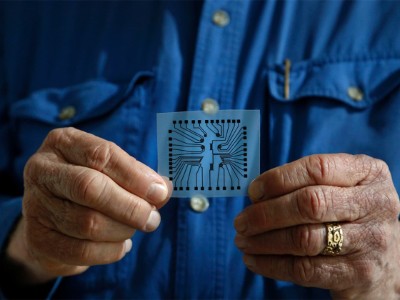
    Biological underpinnings of chronic fatigue syndrome begin to emerge

    Many studies using various techniques to analyse everything from metabolites to free floating RNA in the blood have identified several apparent signatures of ME/CFS, adds Glass, who previously had the condition but has now recovered.

    Blood Chronic fatigue proposed Scientists Syndrome Test
    Share. Facebook Twitter Pinterest LinkedIn Tumblr WhatsApp Email
    Previous ArticleActive nutrition evolves with clinically tested ingredients
    Next Article This Is How Exercise & Creatine Protect Muscle & Metabolic Health
    admin
    • Website

    Related Posts

    Brain Blood Flow Markers Detect Early Signs of Alzheimer’s

    February 25, 2026

    The ins and outs of the new Dietary Guidelines for Americans in light of the gut microbiome

    February 25, 2026

    Manchester Calling: The Families and Scientists Refusing to Let Hunter Syndrome Go Unfunded

    February 19, 2026

    Is Fish Oil a Blood Thinner? Omega-3 Bleeding Risk & Safety

    February 19, 2026
    Leave A Reply Cancel Reply

    Our Picks

    9 Time-Saving Kitchen Gadgets for Fall at Amazon

    September 5, 2025

    Why Exercise Is So Important For Heart Health, From An MD

    September 5, 2025

    An Engineered Protein Helps Phagocytes Gobble Up Diseased Cells

    September 5, 2025

    How To Get Rid Of Hangnails + Causes From Experts

    September 5, 2025
    • Facebook
    • Twitter
    • Pinterest
    • Instagram
    • YouTube
    • Vimeo
    Don't Miss
    Longevity

    Nautilus debuts Voyager platform in push toward next-gen proteomics

    By adminMarch 1, 20260

    Company’s new benchtop system promises a clearer view of proteins following validation at a leading…

    First-in-Human Success for Prenatal Stem Cell Therapy in Spina Bifida

    February 28, 2026

    Pressure-Driven Pathway Links Liver Congestion to Fibrosis and Cancer

    February 28, 2026

    A cellular atlas of aging comes into focus

    February 28, 2026

    Subscribe to Updates

    Get the latest creative news from SmartMag about art & design.

    About Us

    At FineGut, our mission is simple: to enhance your self-awareness when it comes to your gut health. We believe that a healthy gut is the foundation of overall well-being, and understanding the brain–gut connection can truly transform the way you live.

    Our Picks

    9 Time-Saving Kitchen Gadgets for Fall at Amazon

    September 5, 2025

    Why Exercise Is So Important For Heart Health, From An MD

    September 5, 2025

    An Engineered Protein Helps Phagocytes Gobble Up Diseased Cells

    September 5, 2025
    Gut Health

    Nautilus debuts Voyager platform in push toward next-gen proteomics

    March 1, 2026

    First-in-Human Success for Prenatal Stem Cell Therapy in Spina Bifida

    February 28, 2026

    Pressure-Driven Pathway Links Liver Congestion to Fibrosis and Cancer

    February 28, 2026
    X (Twitter) YouTube
    • Contact us
    • Privacy Policy
    • Disclaimer
    • Terms and Conditions
    © 2026 finegut.com. Designed by Pro.

    Type above and press Enter to search. Press Esc to cancel.