
Close Menu
My Blog

    Subscribe to Updates

    Get the latest creative news from FooBar about art, design and business.

    What's Hot

    Nautilus debuts Voyager platform in push toward next-gen proteomics

    March 1, 2026

    First-in-Human Success for Prenatal Stem Cell Therapy in Spina Bifida

    February 28, 2026

    Pressure-Driven Pathway Links Liver Congestion to Fibrosis and Cancer

    February 28, 2026
    Facebook X (Twitter) Instagram
    X (Twitter) YouTube
    My BlogMy Blog
    Sunday, March 1
    • Home
    • About Us
    • Healthy Living
    • DNA & Genetics
    • Podcast
    • Shop
    My Blog
    Home»Microbiome»Pancreatic Cancer Cells Rely on Acidic Environment to Survive
    Microbiome

    Pancreatic Cancer Cells Rely on Acidic Environment to Survive

    adminBy adminOctober 9, 2025No Comments3 Mins Read
    Facebook Twitter Pinterest LinkedIn Tumblr WhatsApp VKontakte Email
    Pancreatic Cancer Cells Rely on Acidic Environment to Survive
    Share
    Facebook Twitter LinkedIn Pinterest Email

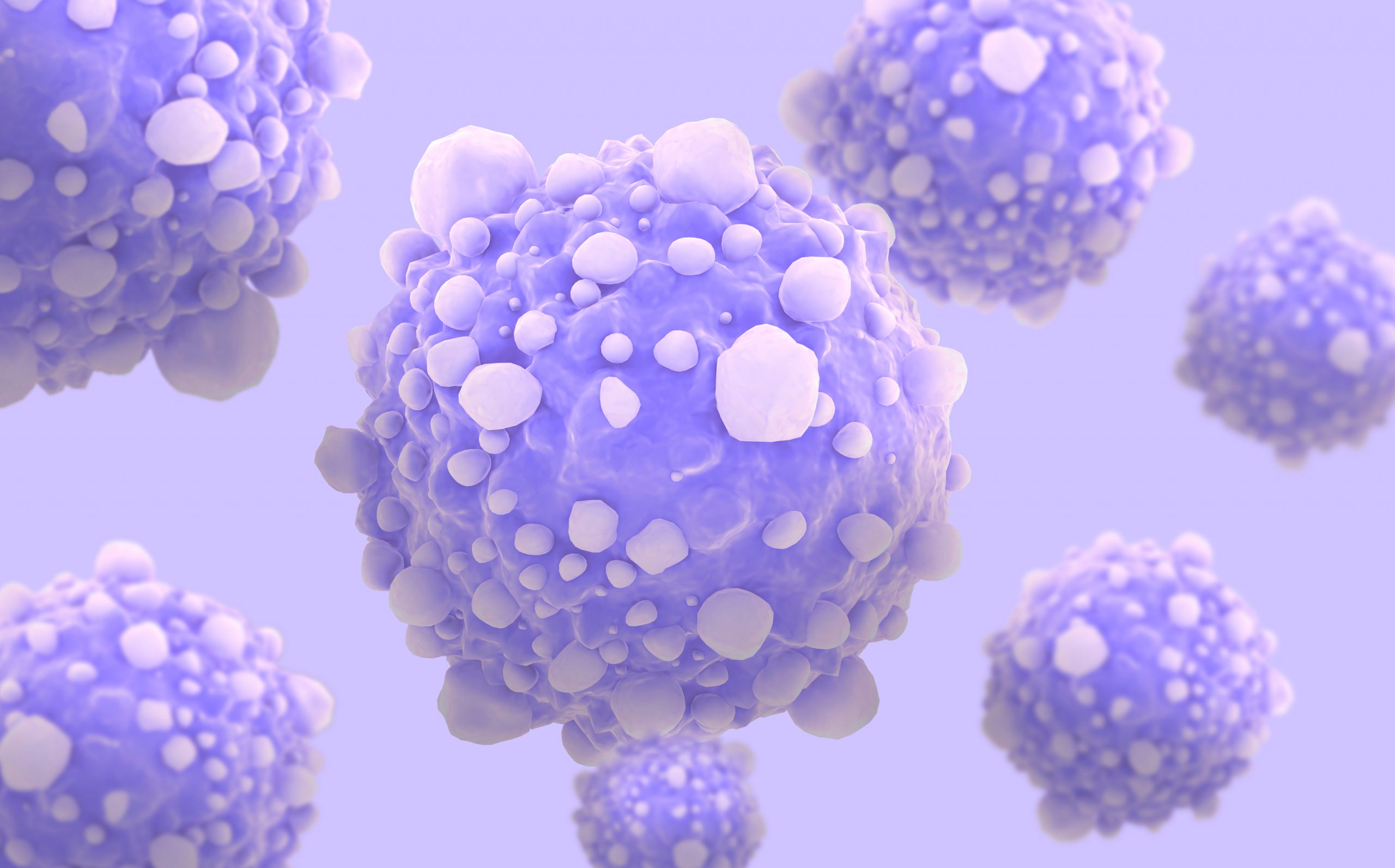
    Credit: Stocktrek Images / Getty Images

    A new study published today in Science has shown for the first time how an acidic pH in the tissue surrounding pancreatic cancer cells triggers changes in their mitochondria that contribute to faster tumor growth, metastasis, and treatment resistance. 

    As a solid tumor develops, its environment can increasingly become more acidic in a process known as acidosis. While previous studies had drawn a link between acidosis and tumor aggressiveness in pancreatic cancer, it was not understood how exactly acidosis contributes to a poorer prognosis, or whether acidosis was rather just a symptom of other underlying processes. 

    With pancreatic cancer being one of the most lethal forms of the disease, understanding drivers of tumor growth and aggressiveness is essential to identify more effective treatments. Now, researchers have figured out the cascade of events that lead pancreatic cancer cells to rely on an acidic environment to switch their metabolism and become more aggressive. 

    “Our results show that acidosis is not simply a by-product of tumor metabolism, but an important switch that controls the energy supply and survival strategies of cancer cells,” said Johannes Zuber, MD, senior group leader at the Research Institute of Molecular Pathology (IMP) in Vienna and senior author of the study.

    Zuber and colleagues set out to study how pancreatic cancer cells adapt to the hostile conditions of the tumor microenvironment, which include lower levels of oxygen, glucose and key nutrients in addition to acidosis. Using CRISPR-Cas9 as a screening tool, the team identified hundreds of genes that play an important role in the survival and growth of the cancer cells under these stress conditions. The effects of these genes were then studied in knockout mouse models of pancreatic cancer. 

    Results showed that the survival and growth of cancer cells was determined by changes in their metabolism that allowed them to adapt to acidosis. In fact, the acidic environment triggered a switch in pancreatic cancer cells from glucose-based energy production to mitochondrial respiration, allowing them to use energy more efficiently to fuel their growth. 

    “It is not just the lack of oxygen or nutrients that changes the metabolism in the tumor—it is primarily the acidification of the tumor environment,” said Wilhelm Palm, PhD, head of the division of cell signaling and metabolism at the German Cancer Research Center (DKFZ) in Heidelberg.

    Normally, the mitochondria are small and fragmented in cancer cells. However, acidosis was found to inhibit the ERK signaling pathway that drives this fragmentation process. This resulted in mitochondria merging with each other to form extensive networks that could produce energy more efficiently from a variety of nutrients.   

    Based on these results, the researchers believe that therapeutic interventions that address acidosis or prevent mitochondria from fusing could destabilize the metabolism of cancer cells to slow down their growth under acidosis. While pancreatic cancer is particularly susceptible to acidosis due to the importance of pH in this organ, which produces the alkaline pancreatic juice, this strategy could potentially be expanded to other solid tumors where acidosis is detected. 

    Acidic Cancer Cells Environment Pancreatic Rely Survive
    Share. Facebook Twitter Pinterest LinkedIn Tumblr WhatsApp Email
    Previous ArticleWhich to Eat for Health
    Next Article How to pause and restart your science career
    admin
    • Website

    Related Posts

    First-in-Human Success for Prenatal Stem Cell Therapy in Spina Bifida

    February 28, 2026

    Pressure-Driven Pathway Links Liver Congestion to Fibrosis and Cancer

    February 28, 2026

    Genetic Biomarkers to Predict Efficacy of GLP-1 Therapies Uncovered

    February 28, 2026

    Mapping the Cellular Architecture of Aging Across 21 Organs

    February 28, 2026
    Leave A Reply Cancel Reply

    Our Picks

    9 Time-Saving Kitchen Gadgets for Fall at Amazon

    September 5, 2025

    Why Exercise Is So Important For Heart Health, From An MD

    September 5, 2025

    An Engineered Protein Helps Phagocytes Gobble Up Diseased Cells

    September 5, 2025

    How To Get Rid Of Hangnails + Causes From Experts

    September 5, 2025
    • Facebook
    • Twitter
    • Pinterest
    • Instagram
    • YouTube
    • Vimeo
    Don't Miss
    Longevity

    Nautilus debuts Voyager platform in push toward next-gen proteomics

    By adminMarch 1, 20260

    Company’s new benchtop system promises a clearer view of proteins following validation at a leading…

    First-in-Human Success for Prenatal Stem Cell Therapy in Spina Bifida

    February 28, 2026

    Pressure-Driven Pathway Links Liver Congestion to Fibrosis and Cancer

    February 28, 2026

    A cellular atlas of aging comes into focus

    February 28, 2026

    Subscribe to Updates

    Get the latest creative news from SmartMag about art & design.

    About Us

    At FineGut, our mission is simple: to enhance your self-awareness when it comes to your gut health. We believe that a healthy gut is the foundation of overall well-being, and understanding the brain–gut connection can truly transform the way you live.

    Our Picks

    9 Time-Saving Kitchen Gadgets for Fall at Amazon

    September 5, 2025

    Why Exercise Is So Important For Heart Health, From An MD

    September 5, 2025

    An Engineered Protein Helps Phagocytes Gobble Up Diseased Cells

    September 5, 2025
    Gut Health

    Nautilus debuts Voyager platform in push toward next-gen proteomics

    March 1, 2026

    First-in-Human Success for Prenatal Stem Cell Therapy in Spina Bifida

    February 28, 2026

    Pressure-Driven Pathway Links Liver Congestion to Fibrosis and Cancer

    February 28, 2026
    X (Twitter) YouTube
    • Contact us
    • Privacy Policy
    • Disclaimer
    • Terms and Conditions
    © 2026 finegut.com. Designed by Pro.

    Type above and press Enter to search. Press Esc to cancel.