
Close Menu
My Blog

    Subscribe to Updates

    Get the latest creative news from FooBar about art, design and business.

    What's Hot

    Nautilus debuts Voyager platform in push toward next-gen proteomics

    March 1, 2026

    First-in-Human Success for Prenatal Stem Cell Therapy in Spina Bifida

    February 28, 2026

    Pressure-Driven Pathway Links Liver Congestion to Fibrosis and Cancer

    February 28, 2026
    Facebook X (Twitter) Instagram
    X (Twitter) YouTube
    My BlogMy Blog
    Sunday, March 1
    • Home
    • About Us
    • Healthy Living
    • DNA & Genetics
    • Podcast
    • Shop
    My Blog
    Home»Gut Health»Should genetically modified wildlife be banned? Scientists weigh the risks
    Gut Health

    Should genetically modified wildlife be banned? Scientists weigh the risks

    adminBy adminOctober 11, 2025No Comments3 Mins Read
    Facebook Twitter Pinterest LinkedIn Tumblr WhatsApp VKontakte Email
    Should genetically modified wildlife be banned? Scientists weigh the risks
    Share
    Facebook Twitter LinkedIn Pinterest Email

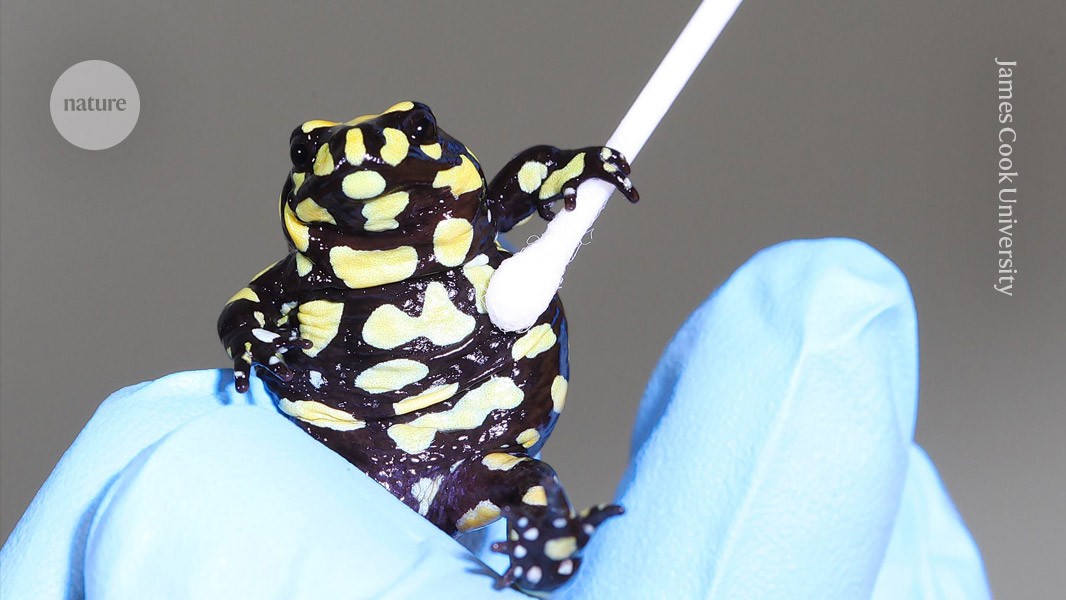
    A corroboree frog is tested for chytrid fungus. Introducing genetic changes to these frogs could help to make them more resistant to infections.Credit: James Cook University

    The global conservation community is debating whether to ban the release of genetically modified organisms into the wild. Dozens of non-governmental organizations have called for a moratorium on field applications of synthetic biology — a technology being studied as a tool to fight diseases, control pests and help endangered species — saying that the approach has unpredictable consequences. But some researchers argue that an outright ban is too restrictive, and could have negative consequences for human health and biodiversity.

    How genetically modified mosquitoes could eradicate malaria

    A proposal for a ban will face a vote next week at a congress of the International Union for Conservation of Nature (IUCN) in Abu Dhabi. The IUCN brings together governments and civil society organizations to guide global conservation policy. Although decisions made by its members are not legally binding, they do influence legislation in many countries, says biologist Piero Genovesi, head of the Wildlife Service at the Italian Institute for Environmental Protection and Research in Rome.

    If members vote in favour of the proposed ban, it “could have stronger impacts in areas like Europe or Australia, where there are many lines of research focused on developing new tools based on synthetic biology for improving the efficacy of conservation action”, Genovesi says. He is among more than 240 scientists who have so far signed an open letter asking IUCN members to reject the moratorium.

    Ongoing debate

    This is not the first time conservationists have debated whether the genetic engineering of wild species should be allowed. A moratorium on gene drives, a way of introducing engineered genes so that they spread rapidly through a population, was proposed at the United Nations Convention on Biological Diversity meeting in 2016, and again in 2018 — but was ultimately rejected.

    Those in favour of the latest proposal argue that the effects of genetic biotechnologies on nature — and on insects in particular — are hard to predict and could be irreversible. “These new technologies risk adding to the pressures already threatening pollinators,” said Joann Sy, scientific adviser at POLLINIS, a non-profit organization based in Paris that is focused on the conservation of bees and other pollinators, in a statement released by the organization. More than 80 researchers have signed an open letter in support of the moratorium, which says that the deployment of genetically modified organisms is “advancing faster than safety and risk assessment can keep pace” and that “no release should occur unless and until it can be demonstrated that there are no direct or indirect risks to pollinators, biodiversity or ecosystems”.

    Genetically modified apple reaches US stores, but will consumers bite?

    banned genetically Modified Risks Scientists weigh wildlife
    Share. Facebook Twitter Pinterest LinkedIn Tumblr WhatsApp Email
    Previous ArticleWhy Do Some People Have a Heightened Sense of Smell?
    Next Article How Small-Scale Chromatography Models Transform mAb Viral Clearance and Process Characterization
    admin
    • Website

    Related Posts

    The ins and outs of the new Dietary Guidelines for Americans in light of the gut microbiome

    February 25, 2026

    Manchester Calling: The Families and Scientists Refusing to Let Hunter Syndrome Go Unfunded

    February 19, 2026

    Machine Learning Flags Cell Transplantation Risks

    February 18, 2026

    Patrick Veiga – Gut Microbiota for Health

    February 17, 2026
    Leave A Reply Cancel Reply

    Our Picks

    9 Time-Saving Kitchen Gadgets for Fall at Amazon

    September 5, 2025

    Why Exercise Is So Important For Heart Health, From An MD

    September 5, 2025

    An Engineered Protein Helps Phagocytes Gobble Up Diseased Cells

    September 5, 2025

    How To Get Rid Of Hangnails + Causes From Experts

    September 5, 2025
    • Facebook
    • Twitter
    • Pinterest
    • Instagram
    • YouTube
    • Vimeo
    Don't Miss
    Longevity

    Nautilus debuts Voyager platform in push toward next-gen proteomics

    By adminMarch 1, 20260

    Company’s new benchtop system promises a clearer view of proteins following validation at a leading…

    First-in-Human Success for Prenatal Stem Cell Therapy in Spina Bifida

    February 28, 2026

    Pressure-Driven Pathway Links Liver Congestion to Fibrosis and Cancer

    February 28, 2026

    A cellular atlas of aging comes into focus

    February 28, 2026

    Subscribe to Updates

    Get the latest creative news from SmartMag about art & design.

    About Us

    At FineGut, our mission is simple: to enhance your self-awareness when it comes to your gut health. We believe that a healthy gut is the foundation of overall well-being, and understanding the brain–gut connection can truly transform the way you live.

    Our Picks

    9 Time-Saving Kitchen Gadgets for Fall at Amazon

    September 5, 2025

    Why Exercise Is So Important For Heart Health, From An MD

    September 5, 2025

    An Engineered Protein Helps Phagocytes Gobble Up Diseased Cells

    September 5, 2025
    Gut Health

    Nautilus debuts Voyager platform in push toward next-gen proteomics

    March 1, 2026

    First-in-Human Success for Prenatal Stem Cell Therapy in Spina Bifida

    February 28, 2026

    Pressure-Driven Pathway Links Liver Congestion to Fibrosis and Cancer

    February 28, 2026
    X (Twitter) YouTube
    • Contact us
    • Privacy Policy
    • Disclaimer
    • Terms and Conditions
    © 2026 finegut.com. Designed by Pro.

    Type above and press Enter to search. Press Esc to cancel.