
Close Menu
My Blog

    Subscribe to Updates

    Get the latest creative news from FooBar about art, design and business.

    What's Hot

    Nautilus debuts Voyager platform in push toward next-gen proteomics

    March 1, 2026

    First-in-Human Success for Prenatal Stem Cell Therapy in Spina Bifida

    February 28, 2026

    Pressure-Driven Pathway Links Liver Congestion to Fibrosis and Cancer

    February 28, 2026
    Facebook X (Twitter) Instagram
    X (Twitter) YouTube
    My BlogMy Blog
    Sunday, March 1
    • Home
    • About Us
    • Healthy Living
    • DNA & Genetics
    • Podcast
    • Shop
    My Blog
    Home»Probiotics»CRISPR and breeding advances set to boost brassicas’ nutritional potential
    Probiotics

    CRISPR and breeding advances set to boost brassicas’ nutritional potential

    adminBy adminOctober 12, 2025No Comments3 Mins Read
    Facebook Twitter Pinterest LinkedIn Tumblr WhatsApp VKontakte Email
    mainsitelogo
    Share
    Facebook Twitter LinkedIn Pinterest Email

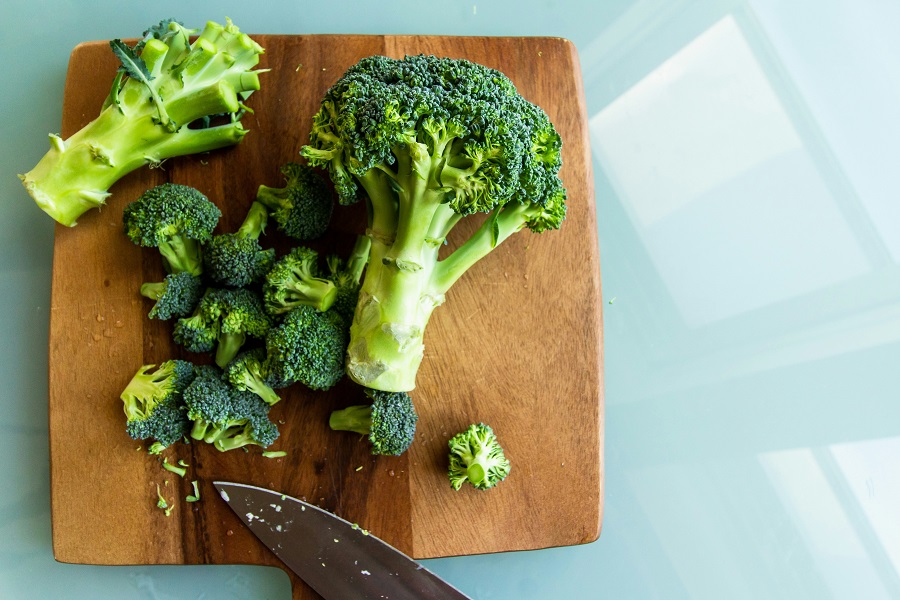
    In the “most comprehensive” review to date, researchers have analyzed the nutritional profiles of brassica vegetables — including broccoli, kale, cabbage, and mustard greens — to offer strategies to boost their nutritional value through breeding, biofortification, and advanced biotechnologies.

    These crops are rich in health-promoting compounds but remain underutilized in global diets.

    “Brassica vegetables represent one of the most promising but underutilized dietary resources for improving public health,” say the authors of the study. “Their rich combination of vitamins, minerals, and bioactive compounds provides natural protection against chronic diseases ranging from cancer to cardiovascular disorders.”

    “What makes these crops unique is the opportunity to further enhance their value through breeding, biofortification, and metabolic engineering. Harnessing this potential can transform everyday vegetables like broccoli and kale into key players in global strategies for nutritional security.”

    Functional health food properties

    By positioning brassicas as “functional foods,” the authors call for renewed attention to these crops as essential tools in improving dietary health worldwide.

    For instance, while citrus fruits are well-known for vitamin C and leafy greens for folate, brassica vegetables contain a broad variety of phytonutrients, such as glucosinolates, vitamins, carotenoids, phenolics, and essential minerals.

    The review outlines the diverse phytonutrients in brassicas and their impacts on health. Glucosinolates — abundant in broccoli, brussels sprouts, and cabbage — yield biologically active compounds such as sulforaphane and indole-3-carbinol that show strong anti-cancer properties.

    Meanwhile, brassica vitamins — including vitamin C, folate, vitamin E, and vitamin K — contribute to antioxidant defense, iron absorption, and bone health. Carotenoids like lutein and β-carotene support eye function and immune resilience, while anthocyanins in purple varieties provide neuroprotective and cardioprotective benefits.

    Brassica minerals like calcium, potassium, and selenium enhance bone strength and reduce the risks of hypertension and certain cancers.

    Cooking methods matter

    The study also examines how cooking methods and food processing influence nutrient retention. In particular, steaming or pairing brassicas with oils can maximize bioavailability.

    The researchers further outline strategies to enrich nutritional profiles. LED-based cultivation can increase carotenoids and anthocyanins in sprouts; selective breeding has produced “super broccoli” rich in glucoraphanin; and CRISPR/Cas9 genome editing offers tools to amplify beneficial metabolites while reducing anti-nutritional compounds.

    Ultimately, the authors believe their findings magnify the potential of brassica vegetables to serve as accessible, low-cost dietary interventions in combating global nutrition deficiencies and disease burdens.

    Biofortified varieties and innovative agronomic practices could bring health-boosting crops to both developed and developing regions, they note. Additionally, these vegetables’ genetic diversity makes them ideal candidates for future precision breeding and biotechnology programs.

    The review is published by the College of Horticulture, Hebei Agricultural University, China, and collaborating institutions in Horticulture Research.

    In other recent research, hot air drying — a cheap and relatively easy preservation technique — was found to affect the availability of key nutrients and plant compounds in microgreens that benefit health.  While fresh, these highly nutritious young seedlings of cruciferous vegetables like radish, broccoli, and kale are highly perishable and can lose nutritional value quickly.

    advances Boost brassicas Breeding CRISPR Nutritional potential Set
    Share. Facebook Twitter Pinterest LinkedIn Tumblr WhatsApp Email
    Previous ArticleIn Conversation with Visionary Geneticist George Church
    Next Article This Dry Body Oil Is The Secret To Soft, Firm Skin, Reviewers Say
    admin
    • Website

    Related Posts

    Increasing Rice Yields with Gene-Informed Selective Breeding

    February 27, 2026

    ADMET Predictions Get AI Boost, Federated Data Network Unites Pharma

    February 25, 2026

    100 IPA Newsletters Later: Setting the Global Standard for Biotics

    February 24, 2026

    Fido Needs an Antibiotic: Are There Strategies to Maintain Gut Integrity and Restore Gut Microbiota?

    February 24, 2026
    Leave A Reply Cancel Reply

    Our Picks

    9 Time-Saving Kitchen Gadgets for Fall at Amazon

    September 5, 2025

    Why Exercise Is So Important For Heart Health, From An MD

    September 5, 2025

    An Engineered Protein Helps Phagocytes Gobble Up Diseased Cells

    September 5, 2025

    How To Get Rid Of Hangnails + Causes From Experts

    September 5, 2025
    • Facebook
    • Twitter
    • Pinterest
    • Instagram
    • YouTube
    • Vimeo
    Don't Miss
    Longevity

    Nautilus debuts Voyager platform in push toward next-gen proteomics

    By adminMarch 1, 20260

    Company’s new benchtop system promises a clearer view of proteins following validation at a leading…

    First-in-Human Success for Prenatal Stem Cell Therapy in Spina Bifida

    February 28, 2026

    Pressure-Driven Pathway Links Liver Congestion to Fibrosis and Cancer

    February 28, 2026

    A cellular atlas of aging comes into focus

    February 28, 2026

    Subscribe to Updates

    Get the latest creative news from SmartMag about art & design.

    About Us

    At FineGut, our mission is simple: to enhance your self-awareness when it comes to your gut health. We believe that a healthy gut is the foundation of overall well-being, and understanding the brain–gut connection can truly transform the way you live.

    Our Picks

    9 Time-Saving Kitchen Gadgets for Fall at Amazon

    September 5, 2025

    Why Exercise Is So Important For Heart Health, From An MD

    September 5, 2025

    An Engineered Protein Helps Phagocytes Gobble Up Diseased Cells

    September 5, 2025
    Gut Health

    Nautilus debuts Voyager platform in push toward next-gen proteomics

    March 1, 2026

    First-in-Human Success for Prenatal Stem Cell Therapy in Spina Bifida

    February 28, 2026

    Pressure-Driven Pathway Links Liver Congestion to Fibrosis and Cancer

    February 28, 2026
    X (Twitter) YouTube
    • Contact us
    • Privacy Policy
    • Disclaimer
    • Terms and Conditions
    © 2026 finegut.com. Designed by Pro.

    Type above and press Enter to search. Press Esc to cancel.