
Close Menu
My Blog

    Subscribe to Updates

    Get the latest creative news from FooBar about art, design and business.

    What's Hot

    Nautilus debuts Voyager platform in push toward next-gen proteomics

    March 1, 2026

    First-in-Human Success for Prenatal Stem Cell Therapy in Spina Bifida

    February 28, 2026

    Pressure-Driven Pathway Links Liver Congestion to Fibrosis and Cancer

    February 28, 2026
    Facebook X (Twitter) Instagram
    X (Twitter) YouTube
    My BlogMy Blog
    Sunday, March 1
    • Home
    • About Us
    • Healthy Living
    • DNA & Genetics
    • Podcast
    • Shop
    My Blog
    Home»DNA & Genetics»Sound Is Better Than Touch in Helping People Keep Rhythm
    DNA & Genetics

    Sound Is Better Than Touch in Helping People Keep Rhythm

    adminBy adminOctober 13, 2025No Comments3 Mins Read
    Facebook Twitter Pinterest LinkedIn Tumblr WhatsApp VKontakte Email
    The Scientist Logo
    Share
    Facebook Twitter LinkedIn Pinterest Email

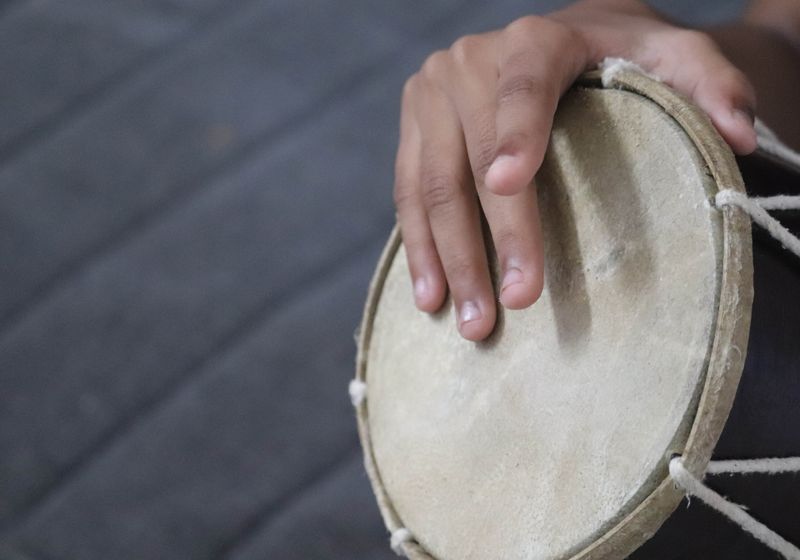
    Rhythmic stimuli presented to the ears, instead of the fingertips, help the brain synchronize to a musical beat. 

    Image credit:©iStock, Rangeecha

    Humans have an inherent ability to coordinate their movement to music—it’s no surprise that song and dance are so deeply embedded across cultures. But how does the type of stimulus, for example, whether it’s sound or touch, affect people’s ability to stay in rhythm?

    Recently, neuroscientists discovered that sound is better than touch when it comes to helping people keep the beat.1 Their findings, published in the Journal of Neuroscience, revealed that the different senses may not play equal roles in people’s ability synchronize to rhythms.

    Beat or rhythm refers to repeated, periodic pulses in music. Although this recurring pattern may not always be obvious, human brains have an extraordinary ability to pick it up. A recent study using electroencephalography (EEG), an approach in which scientists record brainwaves by placing electrodes on the scalp, showed that people could even fill in missing beats when the music stopped.2

    When people listen to music, their brainwaves synchronize to the beat, which is how they perceive rhythm. The root of many people’s inclination to bop their heads or tap their fingers and toes to this perceived rhythm lies in the crosstalk between the auditory and motor processing pathways in the brain.

    Continue reading below…

    Cédric Lenoir, a neuroscientist at the Catholic University of Louvain, wondered if the sense of hearing is unique in its ability to mediate reception and response to rhythm.

    In the present study, Lenoir and his colleagues recruited 45 healthy adults; 37 self-identified as non-musicians and eight were amateur musicians. The researchers presented them with minute-long rhythmic sequences either to their ears via headphones (acoustic) or to their fingertips using a piezo-electric probe (tactile). All participants received both types of stimulation.

    For each kind of stimulus, the researchers recorded the study participants’ brainwaves using EEG 12 times and their finger tapping behavior using a custom-built piece of equipment, called a tapping box, which generated a signal for each tap, five times.

    The EEG results revealed that the brain responded to acoustic rhythm with low-frequency brainwaves with periodic patterns that matched the beat. On the other hand, tactile rhythm produced brainwaves across a wider range of frequencies with a less distinct beat representation. Similarly, the tapping box data indicated that participants tapped more steadily to acoustic than tactile stimuli, indicating the importance of hearing in mediating people’s responses to rhythm.

    “Future research will help clarify whether long-term music practice can strengthen the brain’s ability to process rhythm through other senses, or whether sensory loss, such as hearing impairment, might allow the sense of touch to take over part of this function,” said Lenoir in a statement.

    helping People Rhythm Sound Touch
    Share. Facebook Twitter Pinterest LinkedIn Tumblr WhatsApp Email
    Previous ArticleBest Trader Joe’s Soups, Ranked by Dietitians
    Next Article Defending Ohuira Bay, Mexico
    admin
    • Website

    Related Posts

    A Video Report from AGBT

    February 27, 2026

    Novo Nordisk, Vivtex Ink Up to $2.1B Deal to Develop Oral Biologics for Metabolic Conditions

    February 27, 2026

    Increasing Rice Yields with Gene-Informed Selective Breeding

    February 27, 2026

    Mutant p53 Selective Reactivation Demonstrated in Advanced Solid Tumors

    February 27, 2026
    Leave A Reply Cancel Reply

    Our Picks

    9 Time-Saving Kitchen Gadgets for Fall at Amazon

    September 5, 2025

    Why Exercise Is So Important For Heart Health, From An MD

    September 5, 2025

    An Engineered Protein Helps Phagocytes Gobble Up Diseased Cells

    September 5, 2025

    How To Get Rid Of Hangnails + Causes From Experts

    September 5, 2025
    • Facebook
    • Twitter
    • Pinterest
    • Instagram
    • YouTube
    • Vimeo
    Don't Miss
    Longevity

    Nautilus debuts Voyager platform in push toward next-gen proteomics

    By adminMarch 1, 20260

    Company’s new benchtop system promises a clearer view of proteins following validation at a leading…

    First-in-Human Success for Prenatal Stem Cell Therapy in Spina Bifida

    February 28, 2026

    Pressure-Driven Pathway Links Liver Congestion to Fibrosis and Cancer

    February 28, 2026

    A cellular atlas of aging comes into focus

    February 28, 2026

    Subscribe to Updates

    Get the latest creative news from SmartMag about art & design.

    About Us

    At FineGut, our mission is simple: to enhance your self-awareness when it comes to your gut health. We believe that a healthy gut is the foundation of overall well-being, and understanding the brain–gut connection can truly transform the way you live.

    Our Picks

    9 Time-Saving Kitchen Gadgets for Fall at Amazon

    September 5, 2025

    Why Exercise Is So Important For Heart Health, From An MD

    September 5, 2025

    An Engineered Protein Helps Phagocytes Gobble Up Diseased Cells

    September 5, 2025
    Gut Health

    Nautilus debuts Voyager platform in push toward next-gen proteomics

    March 1, 2026

    First-in-Human Success for Prenatal Stem Cell Therapy in Spina Bifida

    February 28, 2026

    Pressure-Driven Pathway Links Liver Congestion to Fibrosis and Cancer

    February 28, 2026
    X (Twitter) YouTube
    • Contact us
    • Privacy Policy
    • Disclaimer
    • Terms and Conditions
    © 2026 finegut.com. Designed by Pro.

    Type above and press Enter to search. Press Esc to cancel.