
Close Menu
My Blog

    Subscribe to Updates

    Get the latest creative news from FooBar about art, design and business.

    What's Hot

    Nautilus debuts Voyager platform in push toward next-gen proteomics

    March 1, 2026

    First-in-Human Success for Prenatal Stem Cell Therapy in Spina Bifida

    February 28, 2026

    Pressure-Driven Pathway Links Liver Congestion to Fibrosis and Cancer

    February 28, 2026
    Facebook X (Twitter) Instagram
    X (Twitter) YouTube
    My BlogMy Blog
    Sunday, March 1
    • Home
    • About Us
    • Healthy Living
    • DNA & Genetics
    • Podcast
    • Shop
    My Blog
    Home»Probiotics»Rectal Bleeding Before 50 Tied to 8.5 Times Higher Risk of Colon Cancer
    Probiotics

    Rectal Bleeding Before 50 Tied to 8.5 Times Higher Risk of Colon Cancer

    adminBy adminOctober 14, 2025No Comments4 Mins Read
    Facebook Twitter Pinterest LinkedIn Tumblr WhatsApp VKontakte Email
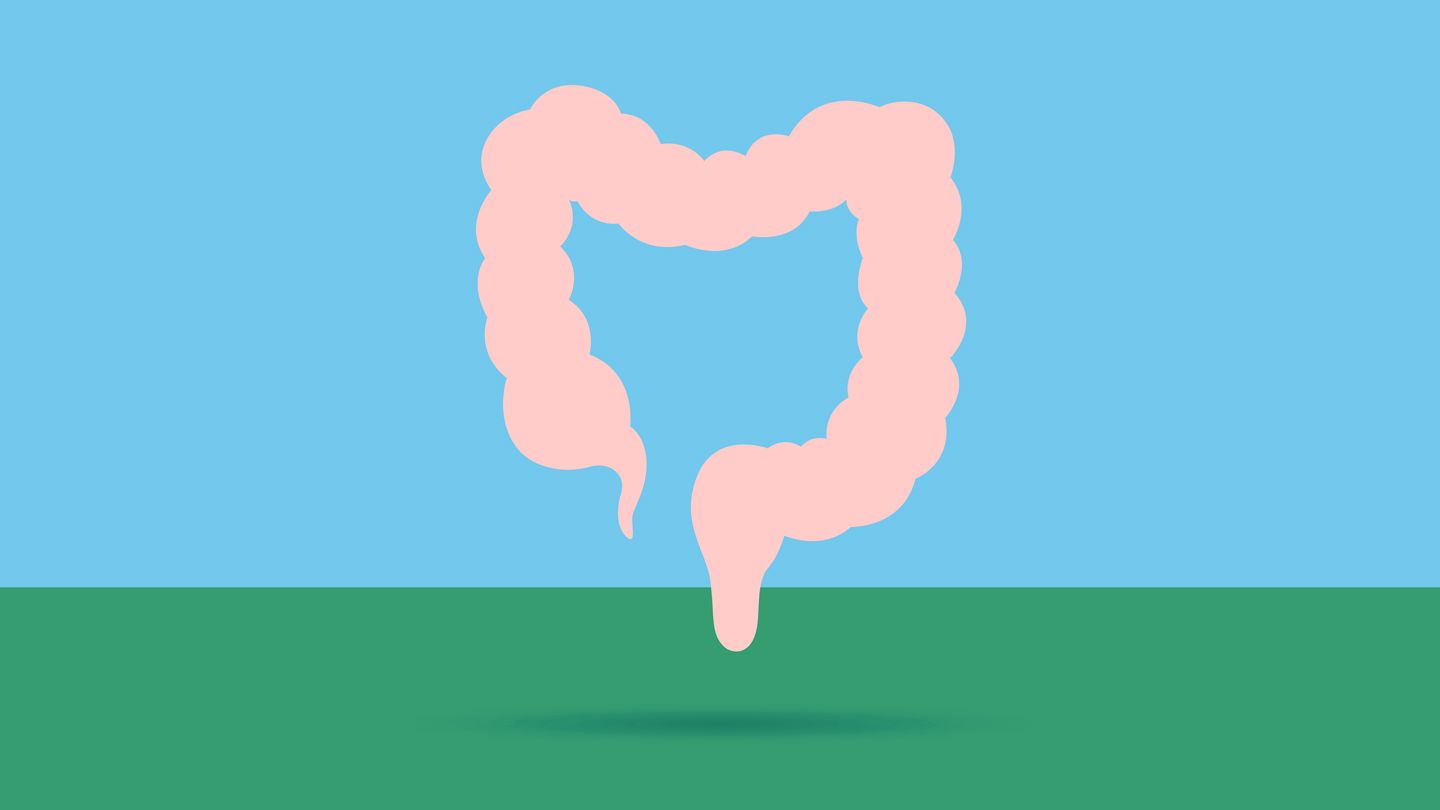
    Rectal Bleeding Linked With 8.5 Times Higher Risk for Colorectal Cancer in Younger Adults
    Share
    Facebook Twitter LinkedIn Pinterest Email

    The last few decades have seen a dramatic rise in early-onset colorectal cancer, or cases that occur in adults under 50. A new study suggests that one symptom in particular may be the strongest predictor of colorectal cancer in this age group: rectal bleeding.

    The research found that, among adults under 50 who underwent colonoscopy for any reason, those with rectal bleeding had an 850 percent higher risk of being diagnosed with early-onset colorectal cancer compared with people without this symptom.

    Researchers said that the findings underscore the importance of taking rectal bleeding seriously, even if you don’t have a family history of colorectal cancer or you’re under age 45, the recommended age to start colorectal cancer screening.

    “This research lends support to the question of who does or doesn’t warrant a colonoscopy. If you have a person below the screening age with rectal bleeding, you should seriously consider a colonoscopy,” the study’s senior author Sandra Kavalukas, MD, a colorectal surgeon at the University of Louisville School of Medicine in Kentucky, said in a statement.

    Rectal Bleeding Linked to Higher Cancer Risk

    Presented at the American College of Surgeons Clinical Congress 2025 in early October, the latest study analyzed data from about 450 adults under 50 who had a colonoscopy at the University of Louisville Health System. Researchers collected pathology reports, demographics, symptoms, and family history.

    Among this group, about 45 percent were diagnosed with early-onset colorectal cancer, and the other 55 percent had normal results.

    About 70 percent of young adults diagnosed with colorectal cancer had no family history of the disease.

    Nearly 9 in 10 people diagnosed with cancer got a colonoscopy because they had symptoms. Close to 40 percent of people with cancer presented with rectal bleeding; they were also more likely to be former smokers.

    The findings should help doctors decide when to recommend early screening for their patients under 45, the authors wrote.

    “We are, unfortunately, diagnosing at an earlier age,” says Himabala Ghanta, MD, a colorectal surgeon at Holy Name in Englewood, New Jersey, who was not involved with the research.

    “Even though we don’t want to scare people, we do need to make people aware that if something is not your normal daily routine — if it’s happened maybe more than once or twice or three times — let’s not ignore it, let’s actually talk about it, let’s present the problem to someone who may be able to help you figure out what’s going on.”

    What Is Rectal Bleeding?

    Rectal bleeding refers to blood that passes from the rectum or anus. It can present in a few different ways.

    “It can be the faint red streaks on the toilet paper, or a little bit of blood on top of the stool, or it can be heavier bleeding,” says V. Liana Tsikitis, MD, a professor and division head of gastrointestinal and general surgery at Oregon Health and Science University in Portland. Dr. Tsikitis, who was not involved with the new research, also serves as the Oregon state chair of the American College of Surgeons Commission on Cancer.

    Signs of rectal bleeding can include:

    • Bright red blood on stool, in the toilet, or on toilet paper after wiping
    • Black or tarry stools
    • Blood coming from the rectum

    It’s important to note that rectal bleeding doesn’t always signal colorectal cancer, though, says Dr. Ghanta.

    Rectal bleeding could also be a sign of other conditions, such as:

    “Most rectal cancers will present with on-and-off bleeding,” Tsikitis says. “So it’s not necessarily every single bowel movement.”

    However, if you’re in your thirties or forties and notice it, “a red flag should be raised,” she says, and you should talk to your primary care doctor.

    The only way to know for sure what’s causing rectal bleeding is to do a rectal exam and a colonoscopy.

    Pay Attention to Other Symptoms, Too

    While the study highlights the connection between rectal bleeding and colorectal cancer, it’s not the only symptom to take note of. Here are some other signs to watch for along with bleeding:

    • Anemia
    • Light-headedness
    • Chest pain or shortness of breath
    • Abdominal, pelvic, or rectal pain
    • Fever
    • Nausea or vomiting
    • Difficulty swallowing
    • Unexplained weight loss

    Another important one: changes in your bowel habits.

    Everyone’s bowel habits are different, Ghanta says. “But if it’s a change for you, it’s something to be a little more concerned about.”

    Age doesn’t matter, she adds. If you notice any of these signs, see your doctor, who will recommend the best course of action. And, get a colonoscopy as soon as you turn 45.

    “I don’t want young people to panic,” Tsikitis said. “I just want them to be alerted. I want them to investigate when something doesn’t seem right. It’s okay to be wrong and go and be reassured. If your body’s telling you something is changing, and you cannot explain it in any way, have this discussion with your primary care physician.”

    Bleeding Cancer Colon Higher Rectal Risk Tied Times
    Share. Facebook Twitter Pinterest LinkedIn Tumblr WhatsApp Email
    Previous ArticleOnline consultations: BMA accuses NHS England of using controversial GP letter “sent in error” to create “division”
    Next Article how AI changed my career in bioinformatics
    admin
    • Website

    Related Posts

    Pressure-Driven Pathway Links Liver Congestion to Fibrosis and Cancer

    February 28, 2026

    Advanced Brain Cancer Survival Rates Double with LITT

    February 27, 2026

    Internal Structure of Biomolecular Condensates Linked to Cancer and Neurodegeneration

    February 26, 2026

    Astellas, Vir Biotechnology Launch Up-to-$1.7B Prostate Cancer Collaboration

    February 26, 2026
    Leave A Reply Cancel Reply

    Our Picks

    9 Time-Saving Kitchen Gadgets for Fall at Amazon

    September 5, 2025

    Why Exercise Is So Important For Heart Health, From An MD

    September 5, 2025

    An Engineered Protein Helps Phagocytes Gobble Up Diseased Cells

    September 5, 2025

    How To Get Rid Of Hangnails + Causes From Experts

    September 5, 2025
    • Facebook
    • Twitter
    • Pinterest
    • Instagram
    • YouTube
    • Vimeo
    Don't Miss
    Longevity

    Nautilus debuts Voyager platform in push toward next-gen proteomics

    By adminMarch 1, 20260

    Company’s new benchtop system promises a clearer view of proteins following validation at a leading…

    First-in-Human Success for Prenatal Stem Cell Therapy in Spina Bifida

    February 28, 2026

    Pressure-Driven Pathway Links Liver Congestion to Fibrosis and Cancer

    February 28, 2026

    A cellular atlas of aging comes into focus

    February 28, 2026

    Subscribe to Updates

    Get the latest creative news from SmartMag about art & design.

    About Us

    At FineGut, our mission is simple: to enhance your self-awareness when it comes to your gut health. We believe that a healthy gut is the foundation of overall well-being, and understanding the brain–gut connection can truly transform the way you live.

    Our Picks

    9 Time-Saving Kitchen Gadgets for Fall at Amazon

    September 5, 2025

    Why Exercise Is So Important For Heart Health, From An MD

    September 5, 2025

    An Engineered Protein Helps Phagocytes Gobble Up Diseased Cells

    September 5, 2025
    Gut Health

    Nautilus debuts Voyager platform in push toward next-gen proteomics

    March 1, 2026

    First-in-Human Success for Prenatal Stem Cell Therapy in Spina Bifida

    February 28, 2026

    Pressure-Driven Pathway Links Liver Congestion to Fibrosis and Cancer

    February 28, 2026
    X (Twitter) YouTube
    • Contact us
    • Privacy Policy
    • Disclaimer
    • Terms and Conditions
    © 2026 finegut.com. Designed by Pro.

    Type above and press Enter to search. Press Esc to cancel.