
Close Menu
My Blog

    Subscribe to Updates

    Get the latest creative news from FooBar about art, design and business.

    What's Hot

    Nautilus debuts Voyager platform in push toward next-gen proteomics

    March 1, 2026

    First-in-Human Success for Prenatal Stem Cell Therapy in Spina Bifida

    February 28, 2026

    Pressure-Driven Pathway Links Liver Congestion to Fibrosis and Cancer

    February 28, 2026
    Facebook X (Twitter) Instagram
    X (Twitter) YouTube
    My BlogMy Blog
    Sunday, March 1
    • Home
    • About Us
    • Healthy Living
    • DNA & Genetics
    • Podcast
    • Shop
    My Blog
    Home»DNA & Genetics»Blood tests are now approved for Alzheimer’s: how accurate are they?
    DNA & Genetics

    Blood tests are now approved for Alzheimer’s: how accurate are they?

    adminBy adminOctober 17, 2025No Comments3 Mins Read
    Facebook Twitter Pinterest LinkedIn Tumblr WhatsApp VKontakte Email
    Blood tests are now approved for Alzheimer’s: how accurate are they?
    Share
    Facebook Twitter LinkedIn Pinterest Email

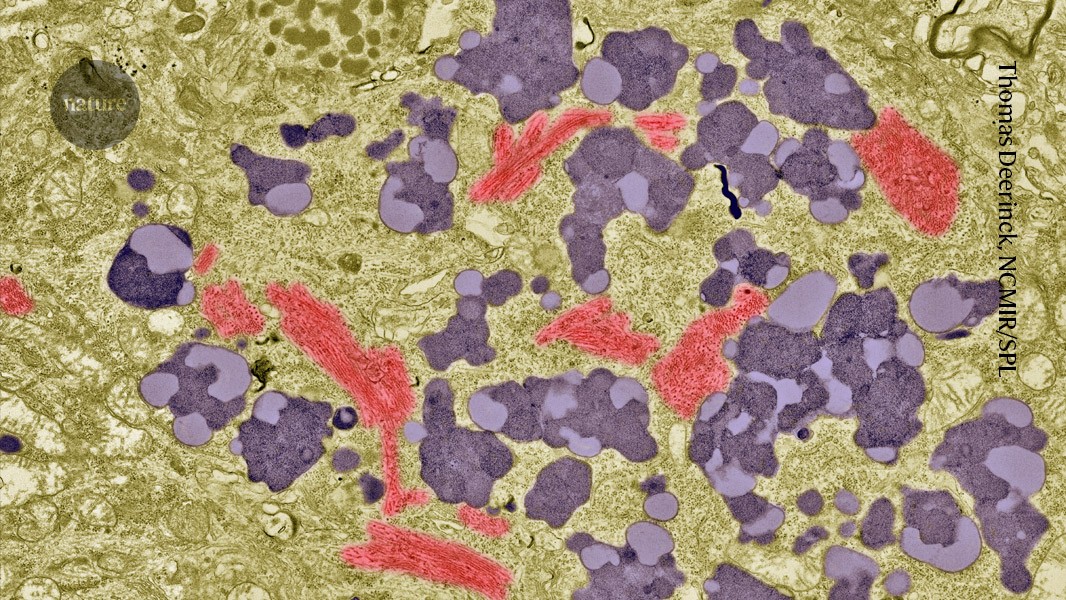
    A blood test measuring levels of tau protein is almost 98% accurate in ruling out Alzheimer’s disease in individuals with cognitive impairments.Credit: Thomas Deerinck, NCMIR/Science Photo Library

    A new blood test to aid with the diagnosis of Alzheimer’s disease has been approved by the US Food and Drug Administration (FDA). The test, which is designed to rule out cognitive decline caused by Alzheimer’s disease, is the first blood test cleared for use in primary-care settings but not a first for Alzheimer’s.

    Elecsys pTau181 — developed by two pharmaceutical companies, Roche in Basel, Switzerland and Eli Lilly in Indianapolis, Indiana — measures a specific phosphorylated form of tau, known as pTau181 in blood plasma. The test quantifies how much tau protein in the body has been modified as a result of Alzheimer’s disease.

    In a press release on 13 October, Roche reported that in a clinical trial of 312 participants, the Elecsys pTau181 test was correctly able to rule out Alzheimer’s 97.9% of the time. The test uses a negative predictive value and helps to rule out Alzheimer’s in individuals with cognitive decline, rather than giving a positive indication that someone has the disease.

    Faster, cheaper, better: the rise of blood tests for Alzheimer’s

    “Numerous research studies have shown that these blood signatures have high concordance. They agree really well with the gold standard biomarkers of Alzheimer’s disease, which we have been using in specialized settings for many years”, says Ashvini Keshavan, a neurologist and biomarker researcher at University College London.

    However, without full access to the trial data, Keshavan says it’s difficult to fully assess how accurate the test is. “It would be important to see the sensitivity, specificity and positive prediction values to assess the accuracy of this test.”

    How accurate is the blood test?

    Alzheimer’s disease pathology is characterized by the build-up of sticky amyloid-β plaques and tangles of tau proteins in brain tissue. Both proteins disrupt brain function, lead to neuron death and are the causes of cognitive decline associated with the disease1.

    One other Alzheimer’s blood test has already been approved to measure these biomarkers in individuals’ blood. In May, Lumipulse, developed by biotechnology firm Fujirebio in Tokyo, gained approval from the FDA. This test measures the ratio of two proteins: pTau217 and amyloid-β (1–42). Alicia Algeciras-Schimnich, a clinical chemist at the Mayo Clinic in Rochester, Minnesota, says the two tests work slightly differently — with the Lumipulse test able to both positively test for and rule out the presence of Alzheimer’s pathology.

    During a trial of 499 people, 97% of individuals who tested negative for the disease on the Lumipulse test had their results confirmed by follow-up diagnostics tests, which measure the levels of these proteins in the cerebrospinal fluid and brain tissue. Almost 92% of those with a positive Lumipulse result for Alzheimer’s disease had positive follow-up tests.

    Coloured MRI scans of a healthy brain (left) and a brain with aggregations of tau protein (right).

    Coloured magnetic resonance imaging (MRI) scans of a healthy brain (left) and a brain with aggregations of tau proteins (right). Credit: Mark & Mary Stevens Neuroimaging and Informatics Inst./Science Photo Library

    But as accurate as they’re said to be, the blood tests are prone to uncertain results when linking cognitive symptoms with Alzheimer’s. Individuals can fall into a ‘grey zone’ and require further testing to provide a clear diagnosis.

    More than 30% of all samples that were analysed with a pTau217 test developed by Quanterix, a life-sciences company in Billerica, Massachusetts, fell into this grey zone2. A similar number has not been reported for the Elecsys or Lumipulse tests.

    Will the tests change Alzheimer’s diagnostics?

    Accurate Alzheimers approved Blood Tests
    Share. Facebook Twitter Pinterest LinkedIn Tumblr WhatsApp Email
    Previous ArticleDamian Doherty Chats with Qureight’s Simon Walsh, MBBS, PhD
    Next Article How AI-powered consumer insights can transform the industry’s approach to healthspan
    admin
    • Website

    Related Posts

    A Video Report from AGBT

    February 27, 2026

    Novo Nordisk, Vivtex Ink Up to $2.1B Deal to Develop Oral Biologics for Metabolic Conditions

    February 27, 2026

    Increasing Rice Yields with Gene-Informed Selective Breeding

    February 27, 2026

    Mutant p53 Selective Reactivation Demonstrated in Advanced Solid Tumors

    February 27, 2026
    Leave A Reply Cancel Reply

    Our Picks

    9 Time-Saving Kitchen Gadgets for Fall at Amazon

    September 5, 2025

    Why Exercise Is So Important For Heart Health, From An MD

    September 5, 2025

    An Engineered Protein Helps Phagocytes Gobble Up Diseased Cells

    September 5, 2025

    How To Get Rid Of Hangnails + Causes From Experts

    September 5, 2025
    • Facebook
    • Twitter
    • Pinterest
    • Instagram
    • YouTube
    • Vimeo
    Don't Miss
    Longevity

    Nautilus debuts Voyager platform in push toward next-gen proteomics

    By adminMarch 1, 20260

    Company’s new benchtop system promises a clearer view of proteins following validation at a leading…

    First-in-Human Success for Prenatal Stem Cell Therapy in Spina Bifida

    February 28, 2026

    Pressure-Driven Pathway Links Liver Congestion to Fibrosis and Cancer

    February 28, 2026

    A cellular atlas of aging comes into focus

    February 28, 2026

    Subscribe to Updates

    Get the latest creative news from SmartMag about art & design.

    About Us

    At FineGut, our mission is simple: to enhance your self-awareness when it comes to your gut health. We believe that a healthy gut is the foundation of overall well-being, and understanding the brain–gut connection can truly transform the way you live.

    Our Picks

    9 Time-Saving Kitchen Gadgets for Fall at Amazon

    September 5, 2025

    Why Exercise Is So Important For Heart Health, From An MD

    September 5, 2025

    An Engineered Protein Helps Phagocytes Gobble Up Diseased Cells

    September 5, 2025
    Gut Health

    Nautilus debuts Voyager platform in push toward next-gen proteomics

    March 1, 2026

    First-in-Human Success for Prenatal Stem Cell Therapy in Spina Bifida

    February 28, 2026

    Pressure-Driven Pathway Links Liver Congestion to Fibrosis and Cancer

    February 28, 2026
    X (Twitter) YouTube
    • Contact us
    • Privacy Policy
    • Disclaimer
    • Terms and Conditions
    © 2026 finegut.com. Designed by Pro.

    Type above and press Enter to search. Press Esc to cancel.