
Close Menu
My Blog

    Subscribe to Updates

    Get the latest creative news from FooBar about art, design and business.

    What's Hot

    Nautilus debuts Voyager platform in push toward next-gen proteomics

    March 1, 2026

    First-in-Human Success for Prenatal Stem Cell Therapy in Spina Bifida

    February 28, 2026

    Pressure-Driven Pathway Links Liver Congestion to Fibrosis and Cancer

    February 28, 2026
    Facebook X (Twitter) Instagram
    X (Twitter) YouTube
    My BlogMy Blog
    Monday, March 2
    • Home
    • About Us
    • Healthy Living
    • DNA & Genetics
    • Podcast
    • Shop
    My Blog
    Home»DNA & Genetics»Tumor-Infiltrating Bacteria Drive Cancer Treatment Resistance
    DNA & Genetics

    Tumor-Infiltrating Bacteria Drive Cancer Treatment Resistance

    adminBy adminOctober 18, 2025No Comments3 Mins Read
    Facebook Twitter Pinterest LinkedIn Tumblr WhatsApp VKontakte Email
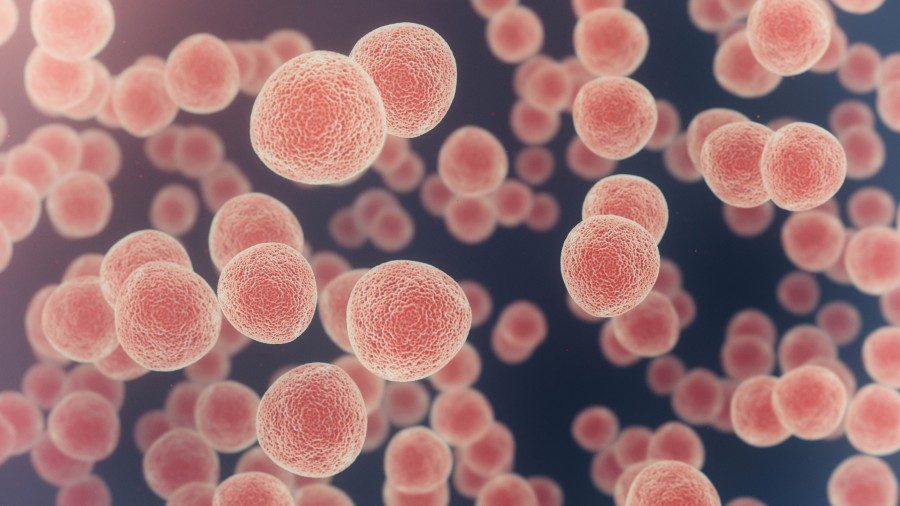
    Cancer Cells under microscope
    Share
    Facebook Twitter LinkedIn Pinterest Email

    Credit: Jezperklauzen / iStock / Getty Images Plus

    In a new study published in Cancer Cell titled, “Tumor-infiltrating bacteria disrupt cancer epithelial cell interactions and induce cell-cycle arrest,” researchers from the University of Texas MD Anderson Cancer Center have discovered a previously unknown mechanism that explains how bacteria can drive treatment resistance in patients with oral and colorectal cancer. 

    While tumor-infiltrating bacteria have been known to impact cancer progression and treatment, the mechanism has been unclear. Results demonstrate how the bacteria, Fusobacterium nucleatum (Fn), can induce a reversible state, known as quiescence, in cancer epithelial cells to allow tumors to evade the immune system and resist chemotherapy. 

    “These bacteria-tumor interactions have been hiding in plain sight, and with new technologies we can now see how microbes directly affect cancer cells, shape tumor behavior and blunt the effects of treatment,” said Susan Bullman, PhD, associate professor of Immunology and associate member of MD Anderson’s James P. Allison Institute and corresponding author of the study. “It’s a whole layer of tumor biology we’ve been missing and one we can now start to target. We hope these findings help open the door to designing smarter, microbe-aware therapies that could make even the toughest cancers more treatable.” 

    According to the study, a bacterium can enter tumors and surround tumor epithelial cells, effectively cutting off their communication with surrounding cells to cause the cancer to enter a temporary resting state known as quiescence. This state allows cancer cells to evade the immune system, resist chemotherapy and promote metastasis.  

    Researchers discovered this ability when they observed that Fusobacterium is enriched in areas of the tumor with reduced epithelial cell density and decreased transcription activity. Preclinical models showed that Fusobacterium accumulates in specific parts of the tumor, settling between cancer cells, to interfere with them and make them less vulnerable to certain chemotherapies.   

    Spatial analysis validated these findings both in vivo and in a cohort of 52 patients with colorectal and oral cancer. In an independent patient cohort, higher levels of this bacterium were associated with lower expression of genes that allow for immune detection and with reduced treatment response.   

    The authors note that the study was limited by the experimental conditions, including laboratory bacterial doses and oxygen levels, which may not fully capture the complex tumor microenvironment.  

    At MD Anderson, Bullman and colleagues are uncovering how microbes influence treatment resistance and tumor progression in gastrointestinal cancers to build a foundation for new strategies to counteract microbial effects on cancer.   

    In parallel, their teams also are exploring ways to engineer tumor-targeting bacteria as a future therapeutic tool. This approach, sometimes called using “bugs as drugs,” offers a promising method to overcome the barriers posed by solid tumors, which often are resistant to traditional therapies. 

    Bacteria Cancer drive Resistance Treatment TumorInfiltrating
    Share. Facebook Twitter Pinterest LinkedIn Tumblr WhatsApp Email
    Previous ArticleMetal Vocalists Scream for Science
    Next Article What Are the Effects of Grapefruit on Diabetes?
    admin
    • Website

    Related Posts

    Pressure-Driven Pathway Links Liver Congestion to Fibrosis and Cancer

    February 28, 2026

    A Video Report from AGBT

    February 27, 2026

    Novo Nordisk, Vivtex Ink Up to $2.1B Deal to Develop Oral Biologics for Metabolic Conditions

    February 27, 2026

    Advanced Brain Cancer Survival Rates Double with LITT

    February 27, 2026
    Leave A Reply Cancel Reply

    Our Picks

    9 Time-Saving Kitchen Gadgets for Fall at Amazon

    September 5, 2025

    Why Exercise Is So Important For Heart Health, From An MD

    September 5, 2025

    An Engineered Protein Helps Phagocytes Gobble Up Diseased Cells

    September 5, 2025

    How To Get Rid Of Hangnails + Causes From Experts

    September 5, 2025
    • Facebook
    • Twitter
    • Pinterest
    • Instagram
    • YouTube
    • Vimeo
    Don't Miss
    Longevity

    Nautilus debuts Voyager platform in push toward next-gen proteomics

    By adminMarch 1, 20260

    Company’s new benchtop system promises a clearer view of proteins following validation at a leading…

    First-in-Human Success for Prenatal Stem Cell Therapy in Spina Bifida

    February 28, 2026

    Pressure-Driven Pathway Links Liver Congestion to Fibrosis and Cancer

    February 28, 2026

    A cellular atlas of aging comes into focus

    February 28, 2026

    Subscribe to Updates

    Get the latest creative news from SmartMag about art & design.

    About Us

    At FineGut, our mission is simple: to enhance your self-awareness when it comes to your gut health. We believe that a healthy gut is the foundation of overall well-being, and understanding the brain–gut connection can truly transform the way you live.

    Our Picks

    9 Time-Saving Kitchen Gadgets for Fall at Amazon

    September 5, 2025

    Why Exercise Is So Important For Heart Health, From An MD

    September 5, 2025

    An Engineered Protein Helps Phagocytes Gobble Up Diseased Cells

    September 5, 2025
    Gut Health

    Nautilus debuts Voyager platform in push toward next-gen proteomics

    March 1, 2026

    First-in-Human Success for Prenatal Stem Cell Therapy in Spina Bifida

    February 28, 2026

    Pressure-Driven Pathway Links Liver Congestion to Fibrosis and Cancer

    February 28, 2026
    X (Twitter) YouTube
    • Contact us
    • Privacy Policy
    • Disclaimer
    • Terms and Conditions
    © 2026 finegut.com. Designed by Pro.

    Type above and press Enter to search. Press Esc to cancel.