
Close Menu
My Blog

    Subscribe to Updates

    Get the latest creative news from FooBar about art, design and business.

    What's Hot

    Nautilus debuts Voyager platform in push toward next-gen proteomics

    March 1, 2026

    First-in-Human Success for Prenatal Stem Cell Therapy in Spina Bifida

    February 28, 2026

    Pressure-Driven Pathway Links Liver Congestion to Fibrosis and Cancer

    February 28, 2026
    Facebook X (Twitter) Instagram
    X (Twitter) YouTube
    My BlogMy Blog
    Sunday, March 1
    • Home
    • About Us
    • Healthy Living
    • DNA & Genetics
    • Podcast
    • Shop
    My Blog
    Home»Probiotics»Protein Powders and Shakes May Contain High Lead Levels, Consumer Reports Says
    Probiotics

    Protein Powders and Shakes May Contain High Lead Levels, Consumer Reports Says

    adminBy adminOctober 19, 2025No Comments7 Mins Read
    Facebook Twitter Pinterest LinkedIn Tumblr WhatsApp VKontakte Email
    Lead Found in Many Popular Protein Powders and Shakes — Here’s What to Know
    Share
    Facebook Twitter LinkedIn Pinterest Email

    The 2020s are shaping up to be the “decade of protein.” Just consider: About 7 in 10 people in the United States say that they are trying to consume more of this essential macronutrient.

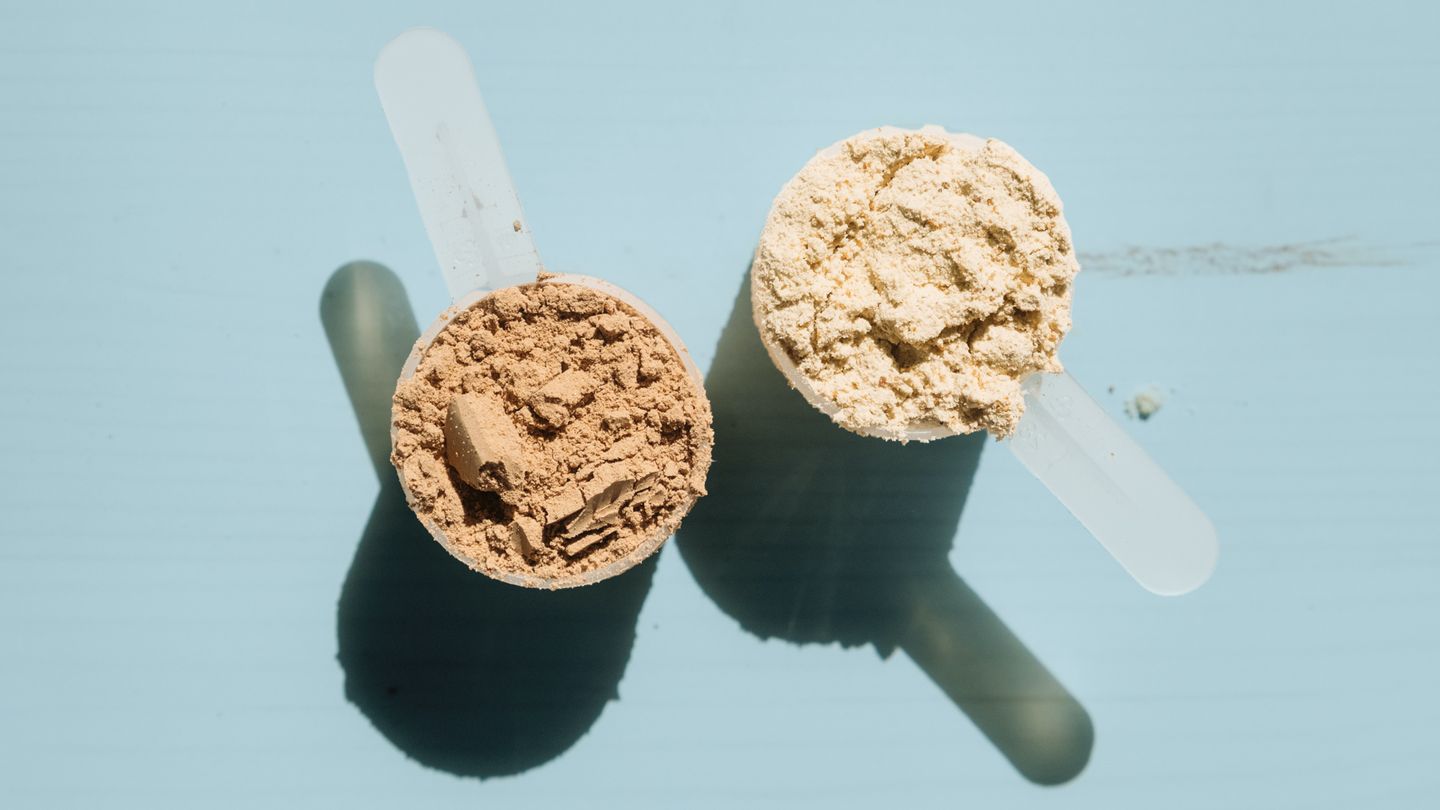
    Protein shakes and powders are a popular option for people looking to accomplish that goal. But a new investigation of 23 protein products suggests that many may pose a hidden risk due to lead contamination, often at levels that have been tied to long-term health issues.

    The report was conducted by Consumer Reports (CR), a nonprofit organization staffed with both journalists and scientists that conducts independent product testing.

    Testers Looked at Dairy, Beef, and Plant-Based Supplements

    CR investigators looked at a range of dairy, beef, and plant-based protein supplements, including powders and ready-to-drink shakes. The team purchased two to four lots of each product from various sources, including online, big-box stores, and nutrition stores.

    A “lot” is a specific group of products that are produced, processed, or packaged under the same conditions.

    Key findings included:

    • About 70 percent of tested products delivered an amount of lead per serving that was higher than CR’s daily “level of concern,” with some exceeding that level more than tenfold.
    • Three products also exceeded the level of concern for cadmium and inorganic arsenic — toxic heavy metals classified as probable and known human carcinogens (cancer-causing compounds), respectively, by the Environmental Protection Agency.
    • Compared with testing from 15 years ago, average lead levels were higher, and fewer products had undetectable lead.
    • Plant-based powders showed the highest contamination. Two products had lead levels so high (1,200 to 1,600 percent of the daily level of concern) that Consumer Reports advises not using them at all.
    • On average, plant-based products had nine times more lead than dairy-based ones, and twice as much as beef-based powders.
    • While dairy-based protein powders generally had the lowest levels, about half still exceeded CR’s threshold for safe daily use.
    • Vanilla-flavored powders tended to have the lowest heavy metal levels, while chocolate-flavored ones had the highest.

    How Much Lead Is Too Much?

    While the scientists said there’s no need to panic, they do caution that people should be mindful of how often they use protein powders. The lead levels they found aren’t high enough to cause immediate illness from heavy metal poisoning, but daily use may put long-term health at risk through accumulation in the body over time.

    Public health experts say that there is no truly safe level of lead exposure.

    CR’s “level of concern” — 0.5 micrograms per day — is based on the relatively conservative maximum daily dose level set by California’s Proposition 65, a benchmark designed to minimize risk over a lifetime.

    The average American adult already takes in about 5 micrograms of lead per day from naturally occurring amounts in food. The interim reference level from the U.S. Food and Drug Administration (FDA) is 8.8 micrograms per day for women of childbearing age; any amount over that level is “potentially concerning.”

    Just one serving of Naked Nutrition’s Mass Gainer contained 7.7 micrograms of lead and Huel Black Edition contained 6.3 micrograms of lead.

    For children, the interim reference level drops is 2.2 micrograms of lead per day. The Consumer Reports findings are potentially concerning for them as well, given that surveys suggest a growing number of children and teens are using protein supplements, including shakes and powders.

    This analysis is an important reminder that there can be trace amounts of lead in protein powders, and if manufacturers aren’t careful about managing the quantity of lead, levels can continue to creep up, says Pieter Cohen, MD, a supplement researcher and associate professor at Harvard Medical School in Boston.

    “That’s a serious concern, because the lead can stay in the body for months or longer,” says Dr. Cohen, who wasn’t involved in the research.

    The most serious effects of lead exposure occur during times of active brain development: in the womb, infancy, and early childhood. For adults, chronic lead exposure is tied to kidney dysfunction, high blood pressure, and decreased cognitive function.

    The Second Concerning Report on Protein Powders in Less Than a Year

    This is the second major investigation in less than a year to flag heavy metals in protein supplements. An earlier study conducted by the Clean Label Project, a nonprofit organization dedicated to transparent food labeling, found that nearly half of more than 150 protein powders tested exceeded California’s safety thresholds for heavy metals.

    Unlike they do with medications, the FDA doesn’t approve or routinely test dietary supplements before they reach store shelves, says Cohen. Manufacturers are responsible for their own safety testing, and there are no enforceable federal limits for heavy metals in protein powders.
The lack of clear, consistent standards leaves consumers largely on their own to judge risk, he says.

    How Did Different Brands of Protein Powder Stack Up?

    Investigators put the products into categories according to the amount of lead found in the powder or shake. Consumer Reports made the following recommendations:

    Completely Avoid

    • Naked Nutrition Vegan Mass Gainer
    • Huel Black Edition

    Limit to Once per Week

    • Garden of Life Sport Organic Plant-Based Protein
    • Momentous 100 Percent Plant Protein

    May Be Used Occasionally

    • MuscleMeds Carnivor Mass
    • Optimum Nutrition Serious Mass
    • Quest Protein Shake
    • Orgain Organic Plant-Based Protein
    • Vega Premium Sport Plant-Based Protein
    • Muscle Milk Pro Advanced Shake

    Better Daily Options (Below the Concern Level)

    • Owyn Pro Elite High Protein Shake
    • Transparent Labs Mass Gainer
    • Optimum Nutrition Gold Standard 100 Percent Whey
    • BSN Syntha-6 Protein Powder
    • Momentous Whey Protein Isolate

    Supplement Manufacturers Say the Report Leaves Out Important Context

    Jeff Ventura, vice president of communications for the Council for Responsible Nutrition, the leading trade group representing supplement manufacturers, says people should keep a few things in mind when interpreting the findings

    “While we appreciate that Consumer Reports has published some detail on its methodology, we note that important context is missing — specifically how products were selected, whether testing reflected typical consumer use, and how its ‘levels of concern’ were derived. Without harmonization to established federal benchmarks, or even actual safety risk, such proprietary thresholds can overstate risk and cause unnecessary alarm,” says Ventura.

    The levels detected in the report don’t necessarily add up to a health hazard, he says.

    “The mere detection of heavy metals such as lead, cadmium, or arsenic does not equate to a health hazard. Modern testing methods are extraordinarily sensitive and capable of identifying trace amounts of naturally occurring elements that are found broadly in soil, water, and plants,” says Ventura.

    What to Consider When Weighing the Benefits and Risks of Protein Powder

    Protein is essential for muscle repair, metabolism, and overall health, but health and nutrition experts agree that most Americans already get more than enough through food.

    Cohen agrees, saying, “I’m just not convinced that there are many common scenarios in which people need to add protein powder to the diet to be healthier. I think there’s much more hype than there is actual evidence to support it.” He suggests that people focus on getting their protein needs met through a healthy and balanced diet.

    A few groups who may benefit from adding more protein to their diet:

    • People ages 40 and older
    • Athletes, very active people, or people doing weight training
    • People going through rapid weight loss, especially from taking a GLP-1 medications

    If you do use protein powder, Consumer Reports recommends that you do the following:

    • Avoid daily use, especially of plant-based or chocolate-flavored varieties.
    • Choose whey-based or collagen powders, which generally have lower levels of lead and cadmium.
    • Check for third-party testing or NSF certification, which indicate compliance with independent safety standards.
    • Look for transparent brands that make heavy metal testing results public.
    • Watch serving sizes. More powder doesn’t necessarily mean more benefit.
    Consumer High Lead levels Powders Protein reports Shakes
    Share. Facebook Twitter Pinterest LinkedIn Tumblr WhatsApp Email
    Previous Article25+ Best 30-Minute Dinner Recipes For Healthy Aging
    Next Article B Vitamins: The Key To Healthy Methylation & Brain Function*
    admin
    • Website

    Related Posts

    100 IPA Newsletters Later: Setting the Global Standard for Biotics

    February 24, 2026

    Fido Needs an Antibiotic: Are There Strategies to Maintain Gut Integrity and Restore Gut Microbiota?

    February 24, 2026

    Why CoQ10 Production Depends on Microbial Balance

    February 23, 2026

    Lower Glucose by Living High

    February 20, 2026
    Leave A Reply Cancel Reply

    Our Picks

    9 Time-Saving Kitchen Gadgets for Fall at Amazon

    September 5, 2025

    Why Exercise Is So Important For Heart Health, From An MD

    September 5, 2025

    An Engineered Protein Helps Phagocytes Gobble Up Diseased Cells

    September 5, 2025

    How To Get Rid Of Hangnails + Causes From Experts

    September 5, 2025
    • Facebook
    • Twitter
    • Pinterest
    • Instagram
    • YouTube
    • Vimeo
    Don't Miss
    Longevity

    Nautilus debuts Voyager platform in push toward next-gen proteomics

    By adminMarch 1, 20260

    Company’s new benchtop system promises a clearer view of proteins following validation at a leading…

    First-in-Human Success for Prenatal Stem Cell Therapy in Spina Bifida

    February 28, 2026

    Pressure-Driven Pathway Links Liver Congestion to Fibrosis and Cancer

    February 28, 2026

    A cellular atlas of aging comes into focus

    February 28, 2026

    Subscribe to Updates

    Get the latest creative news from SmartMag about art & design.

    About Us

    At FineGut, our mission is simple: to enhance your self-awareness when it comes to your gut health. We believe that a healthy gut is the foundation of overall well-being, and understanding the brain–gut connection can truly transform the way you live.

    Our Picks

    9 Time-Saving Kitchen Gadgets for Fall at Amazon

    September 5, 2025

    Why Exercise Is So Important For Heart Health, From An MD

    September 5, 2025

    An Engineered Protein Helps Phagocytes Gobble Up Diseased Cells

    September 5, 2025
    Gut Health

    Nautilus debuts Voyager platform in push toward next-gen proteomics

    March 1, 2026

    First-in-Human Success for Prenatal Stem Cell Therapy in Spina Bifida

    February 28, 2026

    Pressure-Driven Pathway Links Liver Congestion to Fibrosis and Cancer

    February 28, 2026
    X (Twitter) YouTube
    • Contact us
    • Privacy Policy
    • Disclaimer
    • Terms and Conditions
    © 2026 finegut.com. Designed by Pro.

    Type above and press Enter to search. Press Esc to cancel.