

Lipids that mark obesity fuel tumor growth in triple-negative breast cancer, according to research by scientists at the Huntsman Cancer Institute at the University of Utah, US.
The research reveals that obese breast cancer patients and survivors may benefit from lipid-lowering therapies while avoiding high-fat weight loss regimens like ketogenic diets. Funded by the National Cancer Institute, the researchers studied this phenomenon in preclinical mouse models.
“The key here is that people have underestimated the importance of fats and lipids in the all-encompassing term that is obesity,” says Keren Hilgendorf, Ph.D., Huntsman Cancer Institute investigator and assistant professor of biochemistry at the University of Utah.
“But our study shows that breast cancer cells are really addicted to lipids, and the abundance of lipids in patients with obesity is one of the reasons that breast cancer is more prevalent and more aggressive in these patients.”
High lipids alone accelerate tumor growth
Hyperlipidemia, when patients have high lipid levels in the blood, is commonly associated with obesity.
Keto diets have been previously studied for their “dramatic improvements” in human metabolism, however, the new study aimed to reassess these high-fat diets in the context of cancer therapy.
The Utah researchers looked at mice on high-fat diets alongside those with hyperlipidemia who didn’t exhibit markers of obesity, like high glucose and insulin levels.
For this second group, high lipid levels alone were enough to accelerate tumor growth.
“The idea is that lipids, which form the surface membrane of the cell, are like building blocks,” says Chaix. “If a cell receives the signal to proliferate and more building blocks are available, the tumor is going to grow more easily. We see that a high amount of lipids enables this proliferation.”
The scientists also found that for mice with high glucose and insulin levels, lowering lipids still slowed down breast cancer cell growth.
Moreover, their findings suggest lipids may fuel tumor growth in obese cancer patients with other types of breast cancer or even ovarian or colorectal cancers.
Lack of uniformity in dietary guidelines
Doctors often recommend obese patients lose weight as part of their cancer treatment because obesity can be a factor in increased cancer risk, spread, or recurrence.
However, the researchers underscore that there are few evidence-based guidelines that indicate which diets are best.
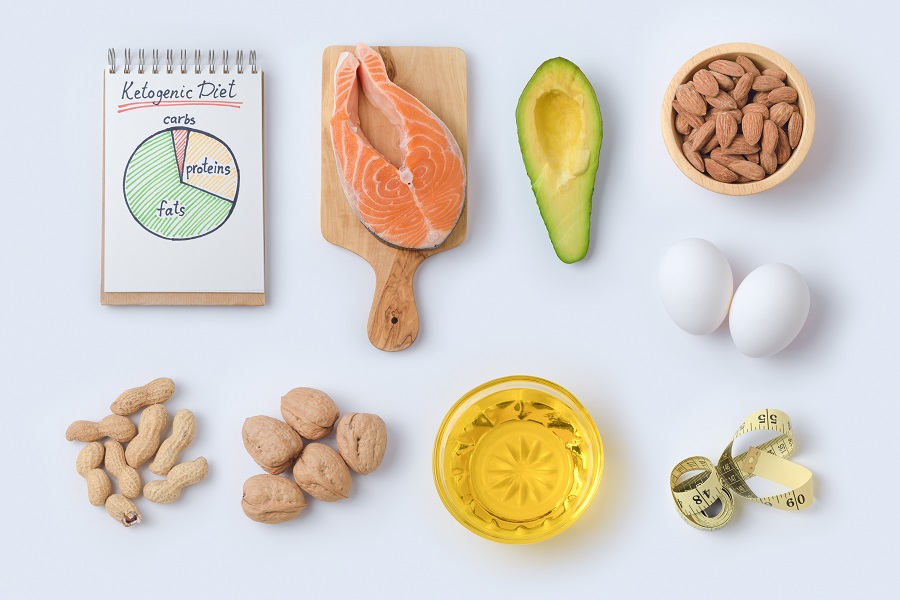
Some patients may turn to the popular keto diet, which consists of a high-fat and low-carbohydrate intake. The goal is to reach a metabolic condition called ketosis, where the body uses fat instead of carbohydrates as a source of energy.
The researchers say this approach could lead to weight loss, but patients need to consider the whole picture of their metabolic health.
Greg Ducker, Ph.D., Huntsman Cancer Institute investigator and assistant professor of biochemistry at the University of Utah, advises breast cancer patients with an elevated BMI to consult their physician and develop a weight loss plan as part of their treatment.
“If you have high cholesterol levels to start with, think about a weight loss plan or potential pharmaceuticals that could lower your lipid levels,” he says. “As our study shows, diets like keto that are very high in fat can have serious unintended side effects — even causing the tumor to grow.”
The study authors plan to preclinically evaluate how anti-lipid drugs may improve responses to chemotherapy while unpacking the specifics of how lipids feed cancer cells.
Study limitations and future directions
The study authors emphasize that their study focused on one specific type of cancer adapting to an obese environment. They do not discount that a keto diet may still benefit other cancer types.
They also note that while mice and humans have significant metabolic differences, their research can lead to better therapies and diet recommendations to slow cancer growth.
“We think this has therapeutic implications, because if you could just lower the lipids — which we already know how to do in patients, for example, with lipid-lowering medication — that could be a way to decelerate breast cancer growth. If we can target these high levels of fat in the blood, the cancer sufferers because the lipids are no longer feeding the cancer,” says Hilgendorf.
“But while our results in mice were striking, there are clear limitations in directly projecting these findings onto human patients. More research using human samples and patients will be necessary to confirm our hypotheses.”
The results of the study were published in Cancer & Metabolism.
In a separate investigation on dietary fats and cancer, Hong Kong researchers found that oleic acid, an omega-9 fatty acid found in olive oil and nuts, boosted immune cells in cancer patients undergoing γδ-T cell therapy. Conversely, another fatty acid, palmitic acid, commonly found in vegetable fats like palm oil and fatty meats, weakens the ability of these immune cells to attack tumors.
