
Close Menu
My Blog

    Subscribe to Updates

    Get the latest creative news from FooBar about art, design and business.

    What's Hot

    Nautilus debuts Voyager platform in push toward next-gen proteomics

    March 1, 2026

    First-in-Human Success for Prenatal Stem Cell Therapy in Spina Bifida

    February 28, 2026

    Pressure-Driven Pathway Links Liver Congestion to Fibrosis and Cancer

    February 28, 2026
    Facebook X (Twitter) Instagram
    X (Twitter) YouTube
    My BlogMy Blog
    Sunday, March 1
    • Home
    • About Us
    • Healthy Living
    • DNA & Genetics
    • Podcast
    • Shop
    My Blog
    Home»DNA & Genetics»Postdoc Portrait: Saeideh Fatemizadeh | The Scientist
    DNA & Genetics

    Postdoc Portrait: Saeideh Fatemizadeh | The Scientist

    adminBy adminOctober 20, 2025No Comments3 Mins Read
    Facebook Twitter Pinterest LinkedIn Tumblr WhatsApp VKontakte Email
    The Scientist Logo
    Share
    Facebook Twitter LinkedIn Pinterest Email

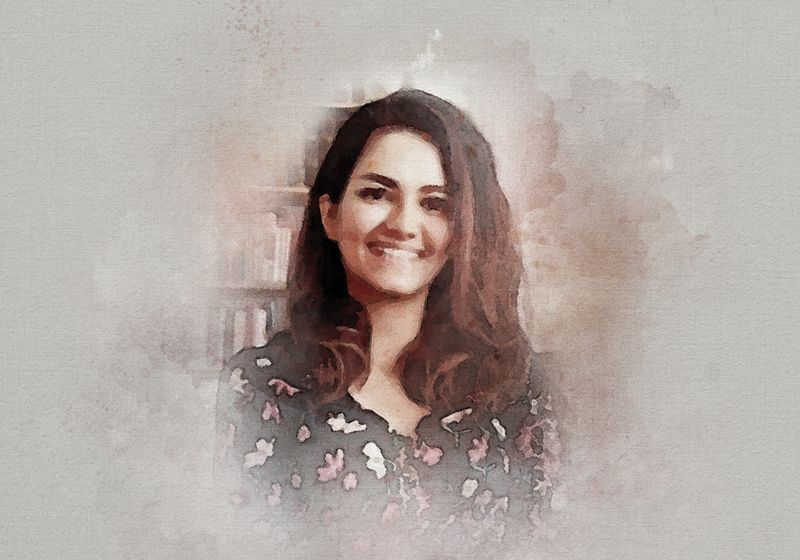
    This postdoc turns food industry by-products into new resources through the power of microbes and fermentation.

    Image credit:©iStock, Leks_Laputin

    Q | Write a brief introduction to yourself including the lab you work in and your research background.

    I’m Saeideh Fatemizadeh, a researcher at Yıldız Technical University in Istanbul, where I work in a food microbiology lab. My background is in studying how tiny microbes can transform everyday ingredients into healthier, more sustainable foods. I’m especially passionate about turning food industry by-products into valuable new products.

    Q | How did you first get interested in science and/or your field of research?

    My curiosity for science began in childhood when I loved asking “what if” and “why” questions—often about food. I was fascinated by the way dough rose, milk turned into yogurt, and flavors changed during cooking. This interest grew into a desire to understand the invisible world of microbes. During my studies, I discovered that microbes are not just responsible for delicious foods but can also improve nutrition and reduce waste. That realization inspired me to pursue research where science and sustainability meet. I enjoy the challenge of using simple, natural processes—like fermentation—to tackle global problems such as food waste and environmental impact. It’s deeply rewarding to work on solutions that are practical, creative, and good for the planet.

    Continue reading below…

    Q | Tell us about your favorite research project you’re working on.

    One of my favorite projects is all about giving “waste” a second life. In bread-making, a lot of yeast ends up inactive and is usually thrown away. I work with good bacteria that treat this yeast like a gourmet meal, turning it into useful natural substances that can improve the texture of foods and may even be good for digestion. It feels a bit like being a chef, but instead of cooking for people, I’m creating the perfect menu for microbes. What excites me most is that we’re solving two problems at once—reducing food industry waste and creating something that could make healthier, more sustainable products. Every experiment feels like uncovering a new recipe for a better future.

    Q | What do you find most exciting about your research project?

    One of the most thrilling moments in my scientific journey happened during a fermentation project using food industry by-products. For weeks, I carefully nurtured bacterial cultures and adjusted conditions, hoping to see meaningful results. Then one quiet morning, I found clear evidence that the bacteria had produced the beneficial compounds I was aiming for. I remember feeling a mix of disbelief and joy—proof that an idea could come alive in the lab. That moment reminded me that research is not only about solving problems but about the excitement of discovery. Even better, I knew my work could help reduce waste and improve food quality, turning a lab success into something meaningful for people and the environment.

    Q | If you could be a laboratory instrument, which one would you be and why?

    I would be an incubator. Incubators provide the perfect environment for growth and transformation—they gently nurture tiny organisms, helping them develop and reveal their potential. I relate to that because, in my research, I work with microbes that need just the right conditions to thrive and produce useful compounds. Like an incubator, I believe in creating supportive spaces where ideas and living things can grow patiently and steadily. Plus, incubators play a quiet but vital role in many experiments, and I enjoy the idea of being a steady, behind-the-scenes helper that enables discovery and progress.

    Are you a researcher who would like to be featured in the “Postdoc Portraits” series? Send in your application here.

    Fatemizadeh Portrait Postdoc Saeideh Scientist
    Share. Facebook Twitter Pinterest LinkedIn Tumblr WhatsApp Email
    Previous ArticleType 2 Diabetes, Obesity, and Inflammation
    Next Article Costco Deals Starting October 2025
    admin
    • Website

    Related Posts

    A Video Report from AGBT

    February 27, 2026

    Novo Nordisk, Vivtex Ink Up to $2.1B Deal to Develop Oral Biologics for Metabolic Conditions

    February 27, 2026

    Increasing Rice Yields with Gene-Informed Selective Breeding

    February 27, 2026

    Mutant p53 Selective Reactivation Demonstrated in Advanced Solid Tumors

    February 27, 2026
    Leave A Reply Cancel Reply

    Our Picks

    9 Time-Saving Kitchen Gadgets for Fall at Amazon

    September 5, 2025

    Why Exercise Is So Important For Heart Health, From An MD

    September 5, 2025

    An Engineered Protein Helps Phagocytes Gobble Up Diseased Cells

    September 5, 2025

    How To Get Rid Of Hangnails + Causes From Experts

    September 5, 2025
    • Facebook
    • Twitter
    • Pinterest
    • Instagram
    • YouTube
    • Vimeo
    Don't Miss
    Longevity

    Nautilus debuts Voyager platform in push toward next-gen proteomics

    By adminMarch 1, 20260

    Company’s new benchtop system promises a clearer view of proteins following validation at a leading…

    First-in-Human Success for Prenatal Stem Cell Therapy in Spina Bifida

    February 28, 2026

    Pressure-Driven Pathway Links Liver Congestion to Fibrosis and Cancer

    February 28, 2026

    A cellular atlas of aging comes into focus

    February 28, 2026

    Subscribe to Updates

    Get the latest creative news from SmartMag about art & design.

    About Us

    At FineGut, our mission is simple: to enhance your self-awareness when it comes to your gut health. We believe that a healthy gut is the foundation of overall well-being, and understanding the brain–gut connection can truly transform the way you live.

    Our Picks

    9 Time-Saving Kitchen Gadgets for Fall at Amazon

    September 5, 2025

    Why Exercise Is So Important For Heart Health, From An MD

    September 5, 2025

    An Engineered Protein Helps Phagocytes Gobble Up Diseased Cells

    September 5, 2025
    Gut Health

    Nautilus debuts Voyager platform in push toward next-gen proteomics

    March 1, 2026

    First-in-Human Success for Prenatal Stem Cell Therapy in Spina Bifida

    February 28, 2026

    Pressure-Driven Pathway Links Liver Congestion to Fibrosis and Cancer

    February 28, 2026
    X (Twitter) YouTube
    • Contact us
    • Privacy Policy
    • Disclaimer
    • Terms and Conditions
    © 2026 finegut.com. Designed by Pro.

    Type above and press Enter to search. Press Esc to cancel.