
Close Menu
My Blog

    Subscribe to Updates

    Get the latest creative news from FooBar about art, design and business.

    What's Hot

    Nautilus debuts Voyager platform in push toward next-gen proteomics

    March 1, 2026

    First-in-Human Success for Prenatal Stem Cell Therapy in Spina Bifida

    February 28, 2026

    Pressure-Driven Pathway Links Liver Congestion to Fibrosis and Cancer

    February 28, 2026
    Facebook X (Twitter) Instagram
    X (Twitter) YouTube
    My BlogMy Blog
    Monday, March 2
    • Home
    • About Us
    • Healthy Living
    • DNA & Genetics
    • Podcast
    • Shop
    My Blog
    Home»DNA & Genetics»Biologist who made cloning possible
    DNA & Genetics

    Biologist who made cloning possible

    adminBy adminOctober 21, 2025No Comments3 Mins Read
    Facebook Twitter Pinterest LinkedIn Tumblr WhatsApp VKontakte Email
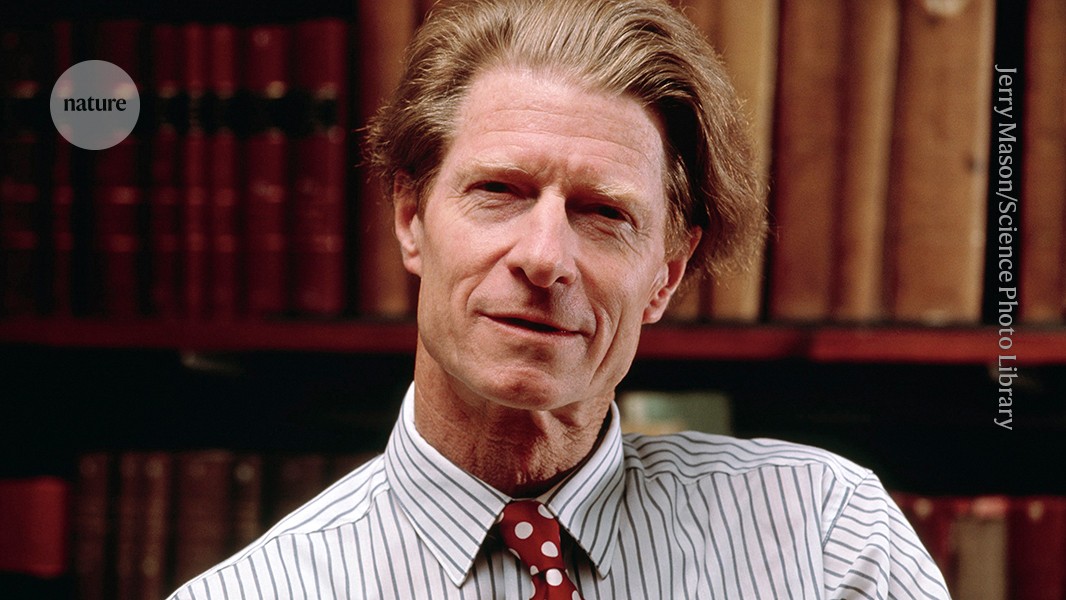
    Biologist who made cloning possible
    Share
    Facebook Twitter LinkedIn Pinterest Email

    Credit: Jerry Mason/Science Photo Library

    John Gurdon transformed biology by proving that when cells specialize to become a specific type, such as skin or nerve cells, they do so by switching genes on and off, not by losing genetic information. This insight came from his pioneering experiments between the 1950s and the 1970s, when he transferred the nucleus (the part of the cell containing DNA) from frog cells into frog eggs whose nuclei had been removed. Some of the eggs developed into adult frogs, showing that some specialized cells retain the full genetic blueprint to make an entire organism.
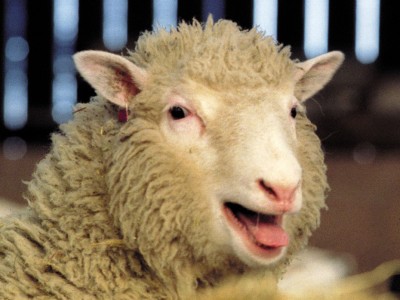
    Dolly at 20: The inside story on the world’s most famous sheep

    He also provided early evidence that, although the number of pluripotent cells — which can become many cell types — declines during development, some persist into adulthood. His work laid the foundation for animal cloning and, decades later, the birth of the first cloned mammal, Dolly the sheep.

    Gurdon shared the 2012 Nobel Prize in Physiology or Medicine with Shinya Yamanaka at Kyoto University in Japan, who discovered how to reprogram adult cells into a stem-cell-like state. Together, their discoveries reshaped research into how organisms develop, as well as cell biology and regenerative medicine.

    After his early success, Gurdon studied how the nucleus is influenced by the cytoplasm that surrounds it. By transplanting nuclei into eggs and their precursor cells (oocytes), he showed that substances in the cytoplasm control the cell cycle — the sequence of growth and division — and gene activity. He identified chemical triggers for DNA copying and cell division, helping to define how all cells multiply.

    Born in southern England in 1933, Gurdon grew up in a comfortable home but struggled at school. At 13, he went to Eton College in Windsor, UK — an experience he later called “intensely uncomfortable”. At 15, he was ranked last out of 250 students in a notorious biology report. His teacher wrote: “He will not listen but will insist on doing his work in his own way. I believe he has ideas about becoming a scientist; on his present showing, this is quite ridiculous.”
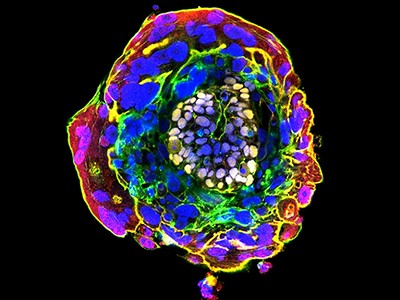
    What is an embryo? Scientists say definition needs to change

    Following that disaster, Eton excluded him from any further science classes. Christ Church College at the University of Oxford, UK, offered him a place on the strength of his Latin and Greek, on the condition that he studied anything except Latin and Greek. He spent a gap year learning elementary biology and was allowed to switch to zoology. He had a long-standing interest in insects and gained first-class honours in zoology, but the professor of entomology rejected his application to study insects for a doctoral degree. Fortunately for science, Michail Fischberg, a lecturer in developmental biology, offered him a doctoral project studying the embryo of the clawed frog Xenopus, leading to his landmark nuclear-transplantation experiments.

    Biologist cloning
    Share. Facebook Twitter Pinterest LinkedIn Tumblr WhatsApp Email
    Previous ArticleAli Agha Khaleeli | The BMJ
    Next Article 10+ Hot Sandwich Recipes
    admin
    • Website

    Related Posts

    A Video Report from AGBT

    February 27, 2026

    Novo Nordisk, Vivtex Ink Up to $2.1B Deal to Develop Oral Biologics for Metabolic Conditions

    February 27, 2026

    Increasing Rice Yields with Gene-Informed Selective Breeding

    February 27, 2026

    Mutant p53 Selective Reactivation Demonstrated in Advanced Solid Tumors

    February 27, 2026
    Leave A Reply Cancel Reply

    Our Picks

    9 Time-Saving Kitchen Gadgets for Fall at Amazon

    September 5, 2025

    Why Exercise Is So Important For Heart Health, From An MD

    September 5, 2025

    An Engineered Protein Helps Phagocytes Gobble Up Diseased Cells

    September 5, 2025

    How To Get Rid Of Hangnails + Causes From Experts

    September 5, 2025
    • Facebook
    • Twitter
    • Pinterest
    • Instagram
    • YouTube
    • Vimeo
    Don't Miss
    Longevity

    Nautilus debuts Voyager platform in push toward next-gen proteomics

    By adminMarch 1, 20260

    Company’s new benchtop system promises a clearer view of proteins following validation at a leading…

    First-in-Human Success for Prenatal Stem Cell Therapy in Spina Bifida

    February 28, 2026

    Pressure-Driven Pathway Links Liver Congestion to Fibrosis and Cancer

    February 28, 2026

    A cellular atlas of aging comes into focus

    February 28, 2026

    Subscribe to Updates

    Get the latest creative news from SmartMag about art & design.

    About Us

    At FineGut, our mission is simple: to enhance your self-awareness when it comes to your gut health. We believe that a healthy gut is the foundation of overall well-being, and understanding the brain–gut connection can truly transform the way you live.

    Our Picks

    9 Time-Saving Kitchen Gadgets for Fall at Amazon

    September 5, 2025

    Why Exercise Is So Important For Heart Health, From An MD

    September 5, 2025

    An Engineered Protein Helps Phagocytes Gobble Up Diseased Cells

    September 5, 2025
    Gut Health

    Nautilus debuts Voyager platform in push toward next-gen proteomics

    March 1, 2026

    First-in-Human Success for Prenatal Stem Cell Therapy in Spina Bifida

    February 28, 2026

    Pressure-Driven Pathway Links Liver Congestion to Fibrosis and Cancer

    February 28, 2026
    X (Twitter) YouTube
    • Contact us
    • Privacy Policy
    • Disclaimer
    • Terms and Conditions
    © 2026 finegut.com. Designed by Pro.

    Type above and press Enter to search. Press Esc to cancel.