

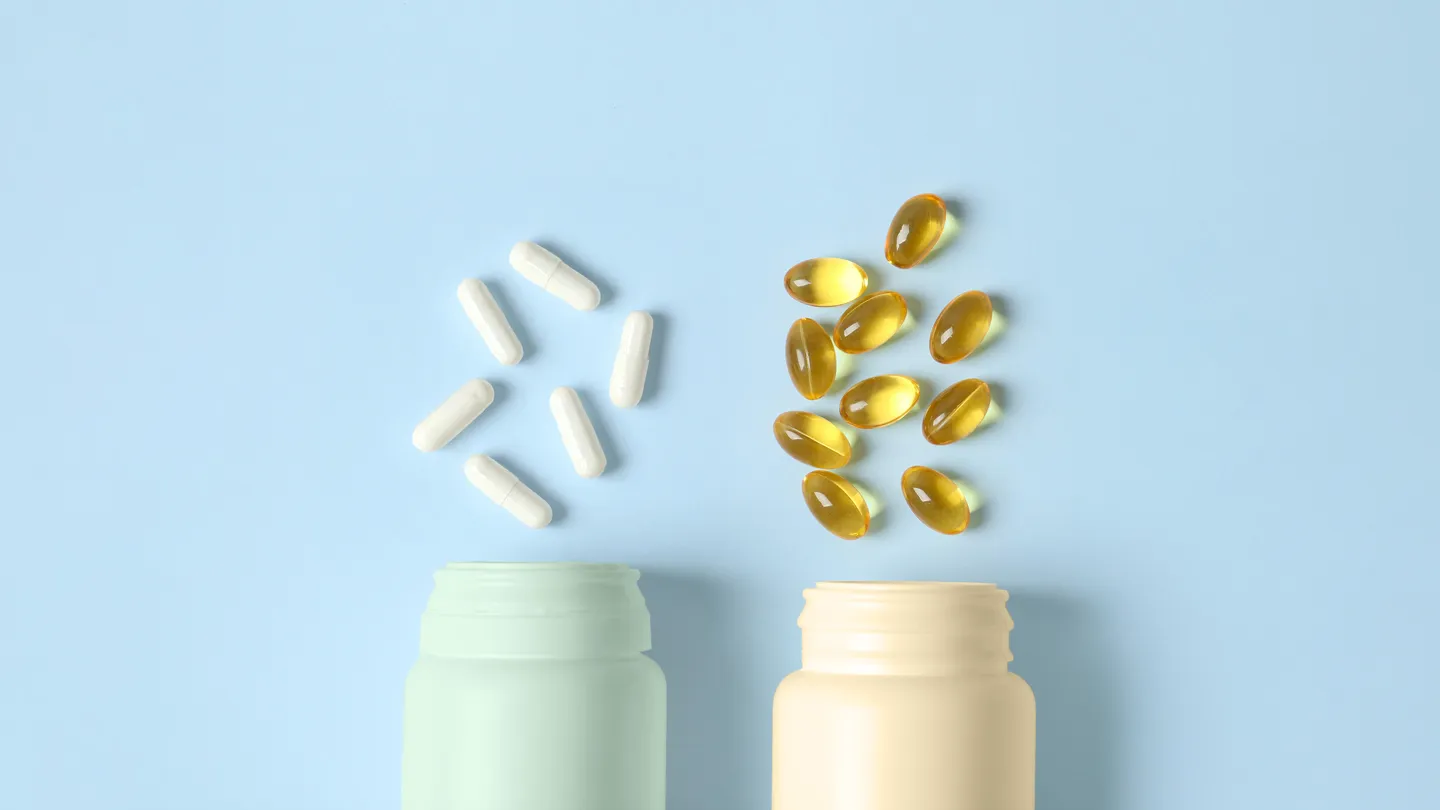
All those hours in the gym aren’t going to help you reach full potential if you’re not fueling your body correctly in the kitchen. Some athletes even turn to supplements, such as CLA or carnitine, to give their bodies an extra boost toward increasing strength while decreasing body fat. Despite some of the marketing claims, performance-boosting supplements aren’t always what they’re hailed to be. Before you go recovering from your latest workout with powder from a giant tub, consider whether that supplement is really beneficial or even necessary, and what the experts would advise you to do instead. What Is Carnitine? An amino acid that plays a critical role in energy production , carnitine carries long-chain fatty acids to the mitochondria, so they can produce energy, and it carries away toxic compounds to stop them from accumulating. Your body produces carnitine naturally. The kidney and liver make it from two amino acids, lysine and methionine, so most people do not need to consume carnitine from food sources or supplements; however, those with genetic or medical conditions that cannot make enough will need to consume carnitine as an essential nutrient. Because of its role in increasing fatty acid oxidation, carnitine has been marketed as a supplement, but the National Institutes of Health Office of Dietary Supplements notes that research has found only “possible modest reduction in body weight” from taking carnitine. There are no safety concerns reported for up to 2 grams a day for one year or 4 grams a day for 56 days, but reported adverse effects include nausea, vomiting, diarrhea, abdominal cramps and a “fishy” body odor. Carnitine is found mostly in animal products : meat, fish, poultry and milk. Red meat is the best source, as a 4-ounce serving of beef contains 56 to 62 milligrams of carnitine, and 4 ounces of ground beef has 87 to 99 milligrams. The same weight of codfish has 4 to 7 milligrams, and chicken breast has 3 to 5 milligrams. By contrast, plant-based sources have very little carnitine. Two slices of whole-wheat bread have only 0.2 milligrams and a half-cup of asparagus has 0.1 milligrams. Carnitine is also available as an over-the-counter dietary supplement that may be effective for athletes. In a December 2018 study published in the Journal of Exercise Nutrition & Biochemistry , a group of 25 male subjects took either carnitine or a placebo for nine weeks in combination with strength training. After nine weeks, the men who took carnitine had increased strength and antioxidant capacity, and the study concluded that carnitine may enhance athletic performance. What Is CLA? Like carnitine, CLA (conjugated linoleic acids) can be consumed as a supplement to aid weight loss and muscle gain, but studies on its effectiveness are mixed. CLA is a chain of fatty acids found in the digestive systems of cows, goats, sheep and buffalo. In the human diet, these fatty acids are often consumed via beef or dairy products. According to the National Institutes of Health Office of Dietary Supplements , CLA plays an important role in promoting lipolysis, reducing lipogenesis and promoting apoptosis in fat tissue. In other words, CLA helps break down body fat, stops energy from being converted to body fat, and kills cells in fat tissue. CLA is sold over the counter in the United States under the trade names CLA-80 and Tonalin, and although these are marketed as weight-loss products, the Memorial Sloan Kettering Cancer Center emphasizes that clinical trials examining these claims show mixed results. A review published in the Journal of the International Society of Sports Nutrition in September 2015 looked at 16 studies between the years 2010 and 2015 and found that nine of the studies showed no benefits to CLA. In the instances where CLA was seen to have positive association with improved body composition, it was taken in conjunction with physical activity. However, CLA isn’t considered unsafe, according to the National Institutes of Health Office of Dietary Supplements , which reports few safety concerns with a dose of 2.4 to 6 grams a day for 12 months. Like carnitine, the side effects of CLA include abdominal pain and diarrhea. Other reported side effects are constipation, loose stools, dyspepsia and possible adverse effects on blood lipids and glucose homeostasis. Read more: The Best Pre-Workout Foods and the Science of Why They Work Best Supplements for Cutting After a period of gaining weight by strength training, many athletes attempt to get lean through a period of cutting. In the case of bodybuilders, such as those examined in a May 2014 study published in the Journal of the International Society of Sports Nutrition , they will use evidence-based nutrition and supplementation to drop fat and water weight in preparation for looking their best at competitions. CLA and carnitine were not included among the list of evidence-based best supplements for cutting. Instead, the study looked at diet manipulation along with supplementation of creatine, beta-alanine, branched chain amino acids, arginine, citrulline malate, glutamine and caffeine. These were all examined for effectiveness as part of a cutting supplement stack, a term used by bodybuilders and strength trainers to describe supplements for muscle growth and fat loss. Results on their effectiveness, per the journal’s review, are all mixed. Instead of using supplements, athletes should turn to good nutrition through a well-rounded diet to enhance athletic performance for optimum health. Contrary to popular belief, an athlete’s ideal diet should not be extremely different from that of another healthy person. Special considerations are the type of sport, the amount of training and the amount of time spent training. A high-protein diet is not one that will necessarily promote muscle growth, and athletes — even bodybuilders — don’t need excess protein for muscle growth. A healthy diet is one that has carbohydrates, fluids, protein, iron, vitamins and other minerals, and one that doesn’t promote losing weight too quickly or preventing weight gain in an unnatural way. Read more: 7-Day Restart Guide: How to Get Your Diet Back on Track in One Week Instead of consuming excess amounts of certain amino acids or fatty acids, focus on getting plenty of nutrients from whole food sources. The Dietary Guidelines for Americans, 2015-2020 , published by the U.S. Department of Health and Human Services and the U.S. Department of Agriculture, emphasizes that nutritional needs should be met primarily from food sources. In some cases, however, dietary supplements may be useful in providing nutrients that are consumed in lower amounts than those that are recommended.
Subscribe to Updates
Get the latest creative news from FooBar about art, design and business.
Previous ArticleTempo Meals Review of 2025
