
Close Menu
My Blog

    Subscribe to Updates

    Get the latest creative news from FooBar about art, design and business.

    What's Hot

    Nautilus debuts Voyager platform in push toward next-gen proteomics

    March 1, 2026

    First-in-Human Success for Prenatal Stem Cell Therapy in Spina Bifida

    February 28, 2026

    Pressure-Driven Pathway Links Liver Congestion to Fibrosis and Cancer

    February 28, 2026
    Facebook X (Twitter) Instagram
    X (Twitter) YouTube
    My BlogMy Blog
    Sunday, March 1
    • Home
    • About Us
    • Healthy Living
    • DNA & Genetics
    • Podcast
    • Shop
    My Blog
    Home»DNA & Genetics»Single antivenom protects against 17 different snakebites
    DNA & Genetics

    Single antivenom protects against 17 different snakebites

    adminBy adminOctober 31, 2025No Comments2 Mins Read
    Facebook Twitter Pinterest LinkedIn Tumblr WhatsApp VKontakte Email
    Single antivenom protects against 17 different snakebites
    Share
    Facebook Twitter LinkedIn Pinterest Email

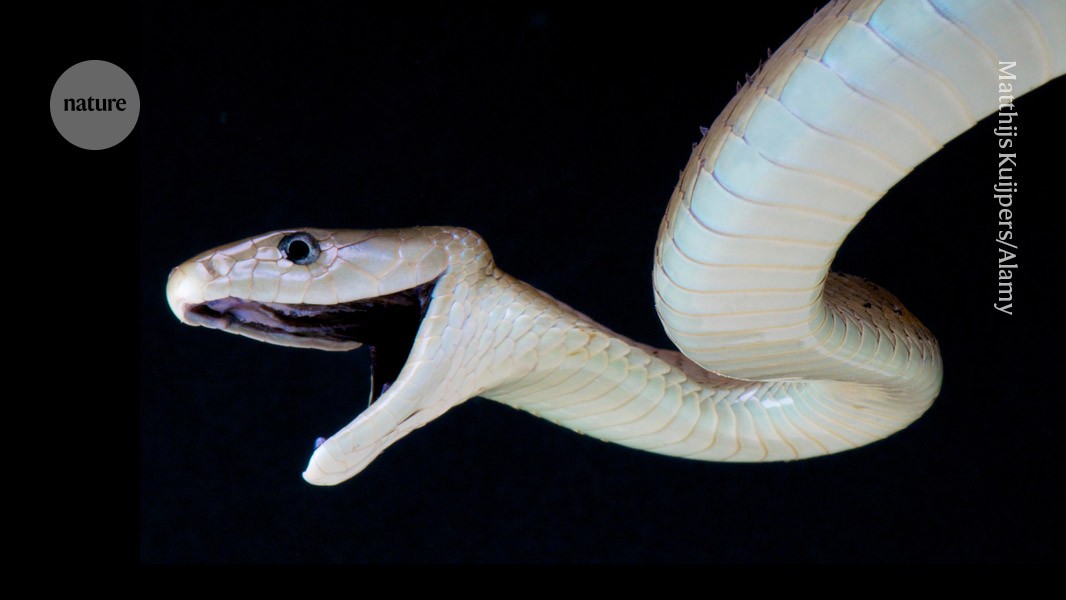
    The black mamba is one Africa’s most deadly venomous snakes.Credit: Matthijs Kuijpers/Alamy

    An antivenom using antibodies from a llama and an alpaca can neutralize venom from some of the world’s most venomous snakes, according to a study published today in Nature1. When administered to mice, the treatment conferred protection against toxins from 17 African snake species and reduced skin damage caused by venoms.

    Snakebites are a neglected public-health issue that is estimated to kill roughly 20,000 people in sub-Saharan Africa every year. Around 300,000 snakebites occur annually in this region, and tissue death from venom leads to approximately 10,000 amputations.

    Current antivenom treatments are made by injecting large animals, such as horses, with small doses of snake venom. The horses produce antibodies against the venom, and the horse plasma is extracted and used to treat bites in people. But these antivenoms are mostly specific to a single snake species.

    It can be difficult to identify the snake behind the bite, and that makes providing timely treatment difficult, says study co-author Anne Ljungars, a bioengineer at the Technical University of Denmark in Kongens Lyngby.

    Horse plasma contains a variety of antibodies and other proteins that are recognized as foreign by the human immune system and can thus trigger an adverse immune response in people. Moreover, conventional antivenoms are unable to prevent the local tissue death that snakebites can cause.

    Camelid-derived antibodies

    To develop the broad-spectrum antivenom, researchers exposed an alpaca and a llama to venoms from 18 of the most dangerous elapid snake species in sub-Saharan Africa. Elapids are venomous snakes characterized by erect fangs at the front of their mouths, and include cobras, mambas and rinkhals. The team isolated nanobodies — small versions of antibodies that can penetrate tissues and bind to tissue-destroying toxins — from the camelids. Eight of these nanobodies were combined into a single cocktail.

    When administered to mice that had been injected with snake venom, the recombinant antivenom successfully neutralized venoms from 17 of the 18 target snake species. It also significantly reduced the skin damage caused by venoms, outperforming the widely used Inoserp PAN-AFRICA antivenom.

    It was previously thought that developing a broad-spectrum antivenom would require “an impractically large number of antibodies”, the authors wrote, because the venom of some snake species can contain up to 100 toxins from several protein families.

    Antivenom Protects single snakebites
    Share. Facebook Twitter Pinterest LinkedIn Tumblr WhatsApp Email
    Previous ArticleDecoded Brain Circuits Show How Mice Stabilize Memories During Learning
    Next Article Order AI introduces smart diet tracking app to help with healthier restaurant ordering
    admin
    • Website

    Related Posts

    A Video Report from AGBT

    February 27, 2026

    Novo Nordisk, Vivtex Ink Up to $2.1B Deal to Develop Oral Biologics for Metabolic Conditions

    February 27, 2026

    Increasing Rice Yields with Gene-Informed Selective Breeding

    February 27, 2026

    Mutant p53 Selective Reactivation Demonstrated in Advanced Solid Tumors

    February 27, 2026
    Leave A Reply Cancel Reply

    Our Picks

    9 Time-Saving Kitchen Gadgets for Fall at Amazon

    September 5, 2025

    Why Exercise Is So Important For Heart Health, From An MD

    September 5, 2025

    An Engineered Protein Helps Phagocytes Gobble Up Diseased Cells

    September 5, 2025

    How To Get Rid Of Hangnails + Causes From Experts

    September 5, 2025
    • Facebook
    • Twitter
    • Pinterest
    • Instagram
    • YouTube
    • Vimeo
    Don't Miss
    Longevity

    Nautilus debuts Voyager platform in push toward next-gen proteomics

    By adminMarch 1, 20260

    Company’s new benchtop system promises a clearer view of proteins following validation at a leading…

    First-in-Human Success for Prenatal Stem Cell Therapy in Spina Bifida

    February 28, 2026

    Pressure-Driven Pathway Links Liver Congestion to Fibrosis and Cancer

    February 28, 2026

    A cellular atlas of aging comes into focus

    February 28, 2026

    Subscribe to Updates

    Get the latest creative news from SmartMag about art & design.

    About Us

    At FineGut, our mission is simple: to enhance your self-awareness when it comes to your gut health. We believe that a healthy gut is the foundation of overall well-being, and understanding the brain–gut connection can truly transform the way you live.

    Our Picks

    9 Time-Saving Kitchen Gadgets for Fall at Amazon

    September 5, 2025

    Why Exercise Is So Important For Heart Health, From An MD

    September 5, 2025

    An Engineered Protein Helps Phagocytes Gobble Up Diseased Cells

    September 5, 2025
    Gut Health

    Nautilus debuts Voyager platform in push toward next-gen proteomics

    March 1, 2026

    First-in-Human Success for Prenatal Stem Cell Therapy in Spina Bifida

    February 28, 2026

    Pressure-Driven Pathway Links Liver Congestion to Fibrosis and Cancer

    February 28, 2026
    X (Twitter) YouTube
    • Contact us
    • Privacy Policy
    • Disclaimer
    • Terms and Conditions
    © 2026 finegut.com. Designed by Pro.

    Type above and press Enter to search. Press Esc to cancel.