

If you are taking anticoagulant medications (also known as blood thinners) for a health condition, you may need to monitor your intake of Vitamin K-rich foods. Vitamin K plays an essential role in the chemical process of forming blood clots in your body, according to MedlinePlus.
This matters because what you eat and drink has the potential to affect how your medication works. Too much Vitamin K could interfere with your treatment plan and make your medications ineffective, which may lead to unintended consequences for your health.
What Is Vitamin K?
Whenever you are injured, whether it is a paper cut or a serious wound, your body calls upon Vitamin K to help protect you from excessive bleeding. Vitamin K is responsible for helping your body form blood clots, which stop the bleeding and help prevent your body from losing too much blood when you get injured, according to the American Society of Hematology.
The Office of Dietary Supplements (ODS) explains that Vitamin K is made up of two fat-soluble components: phylloquinone (which is known as Vitamin K1) and menaquinones (which are known as Vitamin K2). Vitamin K1 is primarily found in leafy green vegetables (like spinach or kale), whereas Vitamin K2 is present in animal-based products and fermented foods, according to the Cleveland Clinic.
How Vitamin K and Blood Thinners Interact
While blood clotting is an important function that allows your body to prevent excessive bleeding when you get hurt, some blood clots can become dislodged and obstruct blood flow to your heart, lungs, or brain. This is why some people receive a prescription for blood thinners, as they can help lower the risk of conditions like heart attacks and strokes, according to Cleveland Clinic.
When Vitamin K combines with blood-thinning medications (like warfarin), it has the potential to cause a serious and dangerous outcome. Mayo Clinic explains that blood-thinning medications and Vitamin K work against each other. Blood thinners make your blood clot more slowly, while Vitamin K helps your blood clot quickly. So, if you’re taking blood thinners and eating a diet high in Vitamin K, it can make your medication less effective. That’s why your diet is so important when taking blood-thinning medications.
How Much Vitamin K Can You Eat?
When taking warfarin (or other blood thinners), you do not need to completely avoid foods that contain Vitamin K — especially because eating Vitamin K foods is part of a well-balanced diet. However, if you’re taking blood thinners, it’s important to be mindful of your intake and be consistent in the amount of Vitamin K you’re consuming.
The American Heart Association recommends eating a similar amount of Vitamin K foods every week, because eating too many Vitamin K foods or abruptly increasing your intake can raise your risk of developing blood clots. The current Dietary Guidelines for Americans recommend that adult women get 90 micrograms (mcg) and adult men get 120 mcg of Vitamin K per day. However, it’s best to talk to your healthcare provider about your exact nutritional needs if you’re taking blood thinners or any other medications that can influence your diet.
Vitamin K Foods to Eat
If you’re taking blood thinners or need to consume a diet low in Vitamin K, consider these options that are all under the 90 to 120 mcg daily value recommendation.
Vegetables
According to the American Heart Association and My Food Data, these vegetables are low in Vitamin K:
- Artichokes
- Arugula
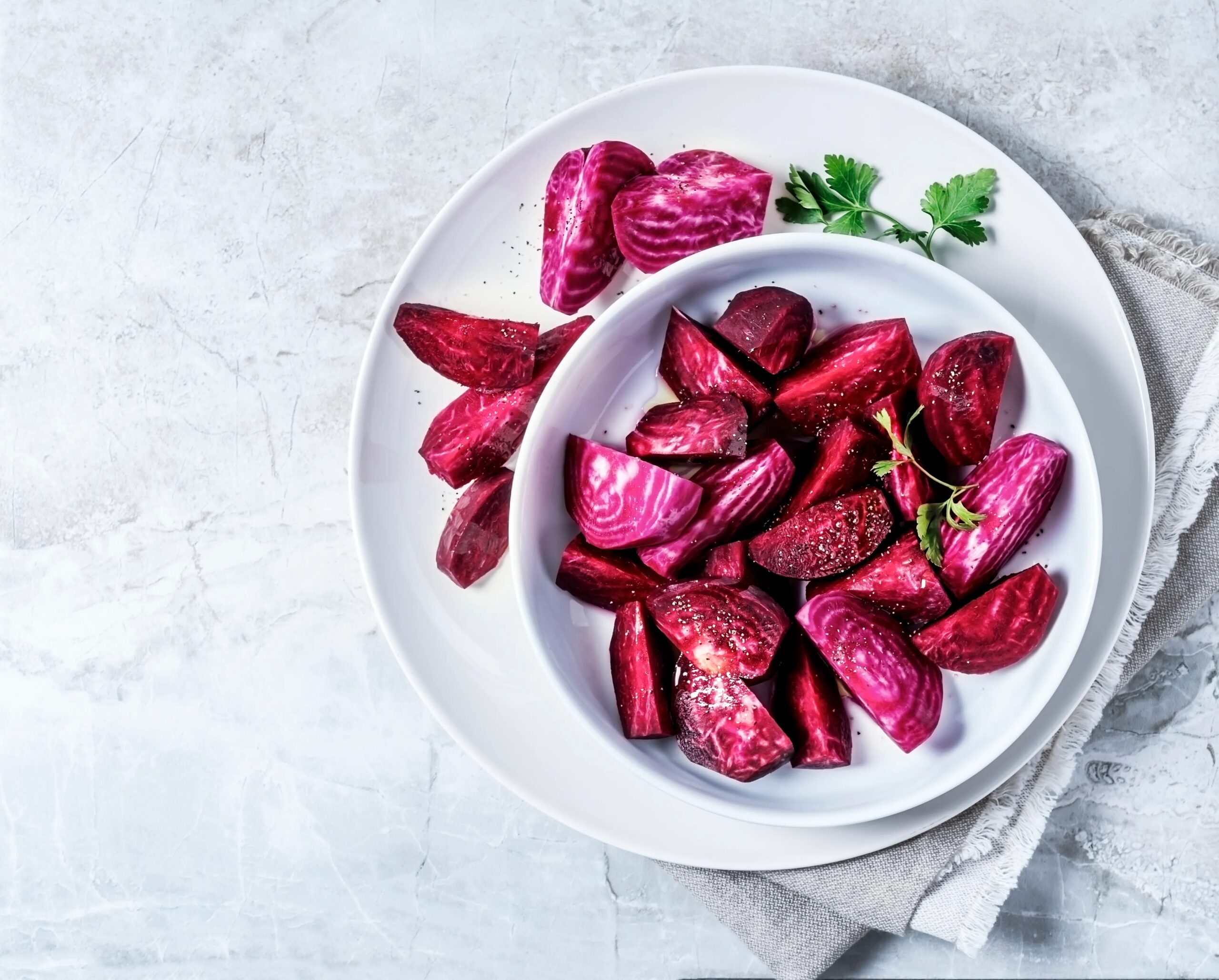
- Beets
- Black beans
- Carrots
- Cauliflower
- Celery
- Cilantro
- Corn
- Cucumbers
- Green beans
- Green bell peppers
- Mushrooms
- Onions
- Potatoes
- Radishes
- Red cabbage
- Sweet potatoes
- Turnips
- Zucchini
Fruits
You can also enjoy fruits low in Vitamin K. According to the American Heart Association and My Food Data, these include:
- Apples
- Bananas
- Cherries
- Dates
- Grapes
- Guavas
- Nectarines
- Peaches
- Pineapples
- Strawberries
- Tomatoes
- Watermelons
Other Foods
It’s also worth noting that most types of grains, meat, and dairy options are low in Vitamin K. For specific questions about these types of food in your diet, talk to your healthcare provider about what the best food choices are for your health needs.
Vitamin K Foods to Limit or Avoid
Some foods that contain a high content of Vitamin K are necessary to limit or avoid if you take blood thinners. The Office of Dietary Supplements and the American Heart Association explain that these foods are rich in Vitamin K:
- Asparagus
- Blueberries
- Broccoli
- Collard greens
- Kale
- Kiwi
- Lettuce
- Mustard greens
- Pumpkins
- Soybeans
- Spinach
- Turnip greens
Being mindful of your food choices can go a long way when you’re taking medications like blood thinners. Figuring out an eating plan can be overwhelming sometimes — and that’s okay. If you’re looking for assistance on finding a diet that’s right for your body and overall health needs, always check in with your healthcare team first.
