
Close Menu
My Blog

    Subscribe to Updates

    Get the latest creative news from FooBar about art, design and business.

    What's Hot

    Nautilus debuts Voyager platform in push toward next-gen proteomics

    March 1, 2026

    First-in-Human Success for Prenatal Stem Cell Therapy in Spina Bifida

    February 28, 2026

    Pressure-Driven Pathway Links Liver Congestion to Fibrosis and Cancer

    February 28, 2026
    Facebook X (Twitter) Instagram
    X (Twitter) YouTube
    My BlogMy Blog
    Sunday, March 1
    • Home
    • About Us
    • Healthy Living
    • DNA & Genetics
    • Podcast
    • Shop
    My Blog
    Home»Microbiome»AI Detects Heart Defects with Just a Smartwatch
    Microbiome

    AI Detects Heart Defects with Just a Smartwatch

    adminBy adminNovember 4, 2025No Comments3 Mins Read
    Facebook Twitter Pinterest LinkedIn Tumblr WhatsApp VKontakte Email
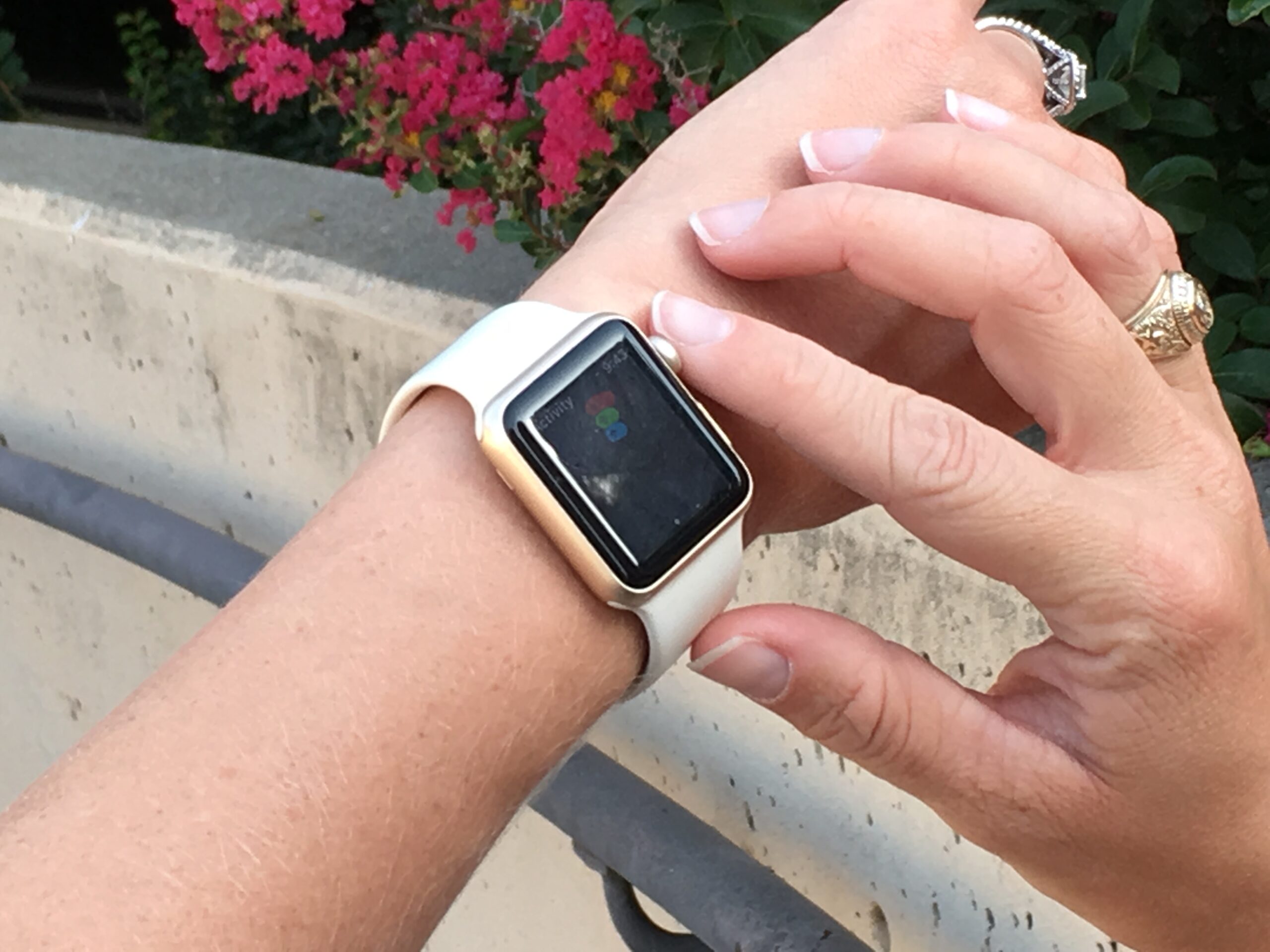
    AI Detects Heart Defects with Just a Smartwatch
    Share
    Facebook Twitter LinkedIn Pinterest Email

    Credit: American Heart Association

    For the first time, Yale researchers have been able to diagnose structural heart disease using the simple electrocardiogram (ECG) sensors found in a smartwatch. Their findings will be presented this week at the American Heart Association’s Scientific Sessions 2025. 

    While wearable devices are increasingly used to diagnose and monitor heart diseases that affect the heartbeat, such as arrhythmia or atrial fibrillation, their single-lead ECG design has so far limited their ability to diagnose physical defects in the heart. However, with the help of artificial intelligence (AI) algorithms, a group of 600 patients in a real-world hospital setting could be diagnosed with high accuracy from just a 30-second smartwatch read. 

    “On its own, a single-lead ECG is limited; it can’t replace a 12-lead ECG test available in health care settings. However, with AI, it becomes powerful enough to screen for important heart conditions,” said Rohan Khera, MD, MS, director of the cardiovascular data science lab at Yale School of Medicine and senior author of the study. “This could make early screening for structural heart disease possible on a large scale, using devices many people already own.”

    The AI algorithm was developed using more than 266,000 full ECGs taken from 110,000 patients at Yale New Haven Hospital between 2015 and 2023. Khera and colleagues isolated one of the 12 leads which most resembles the single lead found in smartwatch sensors and used that data to predict the presence of three types of structural heart disease: low left ventricular ejection fraction, severe left-sided valvular disease, and severe left ventricular hypertrophy. 

    The model was first validated in over 44,000 adults across four community hospitals as well as 3,000 participants in a population-based study in Brazil. Then, in a prospective study, 600 patients undergoing an echocardiogram were recruited to take a 30-second ECG measurement using a smartwatch before the procedure.

    In this patient cohort, the algorithm achieved 86% sensitivity and 87% specificity, with an overall performance of 88% using single-lead reads compared to 92% when using 12-lead hospital ECG equipment. This was achieved by introducing noise in the data used to train the model, which helped the AI become more reliable when analyzing ECG signals taken in a real-world context. 

    “We explored whether the same smartwatches people wear every day could also help find these hidden structural heart diseases earlier, before they progress to serious complications or cardiac events,” said Arya Aminorroaya, MD, MPH, internal medicine resident at Yale New Haven Hospital and research affiliate at Yale School of Medicine. “Millions of people wear smartwatches, and they are currently mainly used to detect heart rhythm problems such as atrial fibrillation. Structural heart diseases, on the other hand, are usually found with an echocardiogram, an advanced ultrasound imaging test of the heart that requires special equipment and isn’t widely available for routine screening.” 

    While promising, these results will have to be validated in a larger population. In the current prospective study, only five percent of patients were confirmed to have structural heart disease during the ultrasound procedure: 15 had low left ventricular ejection fraction, five were diagnosed with severe left-sided valvular disease, and just one patient had severe left ventricular hypertrophy. 

    “We plan to evaluate the AI tool in broader settings and explore how it could be integrated into community-based heart disease screening programs to assess its potential impact on improving preventive care,” said Aminorroaya.

    Defects Detects Heart Smartwatch
    Share. Facebook Twitter Pinterest LinkedIn Tumblr WhatsApp Email
    Previous ArticleDabur India to invest in health, Ayurveda, food businesses
    Next Article GP online requests are rising, but usage varies hugely across England
    admin
    • Website

    Related Posts

    First-in-Human Success for Prenatal Stem Cell Therapy in Spina Bifida

    February 28, 2026

    Pressure-Driven Pathway Links Liver Congestion to Fibrosis and Cancer

    February 28, 2026

    Genetic Biomarkers to Predict Efficacy of GLP-1 Therapies Uncovered

    February 28, 2026

    Mapping the Cellular Architecture of Aging Across 21 Organs

    February 28, 2026
    Leave A Reply Cancel Reply

    Our Picks

    9 Time-Saving Kitchen Gadgets for Fall at Amazon

    September 5, 2025

    Why Exercise Is So Important For Heart Health, From An MD

    September 5, 2025

    An Engineered Protein Helps Phagocytes Gobble Up Diseased Cells

    September 5, 2025

    How To Get Rid Of Hangnails + Causes From Experts

    September 5, 2025
    • Facebook
    • Twitter
    • Pinterest
    • Instagram
    • YouTube
    • Vimeo
    Don't Miss
    Longevity

    Nautilus debuts Voyager platform in push toward next-gen proteomics

    By adminMarch 1, 20260

    Company’s new benchtop system promises a clearer view of proteins following validation at a leading…

    First-in-Human Success for Prenatal Stem Cell Therapy in Spina Bifida

    February 28, 2026

    Pressure-Driven Pathway Links Liver Congestion to Fibrosis and Cancer

    February 28, 2026

    A cellular atlas of aging comes into focus

    February 28, 2026

    Subscribe to Updates

    Get the latest creative news from SmartMag about art & design.

    About Us

    At FineGut, our mission is simple: to enhance your self-awareness when it comes to your gut health. We believe that a healthy gut is the foundation of overall well-being, and understanding the brain–gut connection can truly transform the way you live.

    Our Picks

    9 Time-Saving Kitchen Gadgets for Fall at Amazon

    September 5, 2025

    Why Exercise Is So Important For Heart Health, From An MD

    September 5, 2025

    An Engineered Protein Helps Phagocytes Gobble Up Diseased Cells

    September 5, 2025
    Gut Health

    Nautilus debuts Voyager platform in push toward next-gen proteomics

    March 1, 2026

    First-in-Human Success for Prenatal Stem Cell Therapy in Spina Bifida

    February 28, 2026

    Pressure-Driven Pathway Links Liver Congestion to Fibrosis and Cancer

    February 28, 2026
    X (Twitter) YouTube
    • Contact us
    • Privacy Policy
    • Disclaimer
    • Terms and Conditions
    © 2026 finegut.com. Designed by Pro.

    Type above and press Enter to search. Press Esc to cancel.