

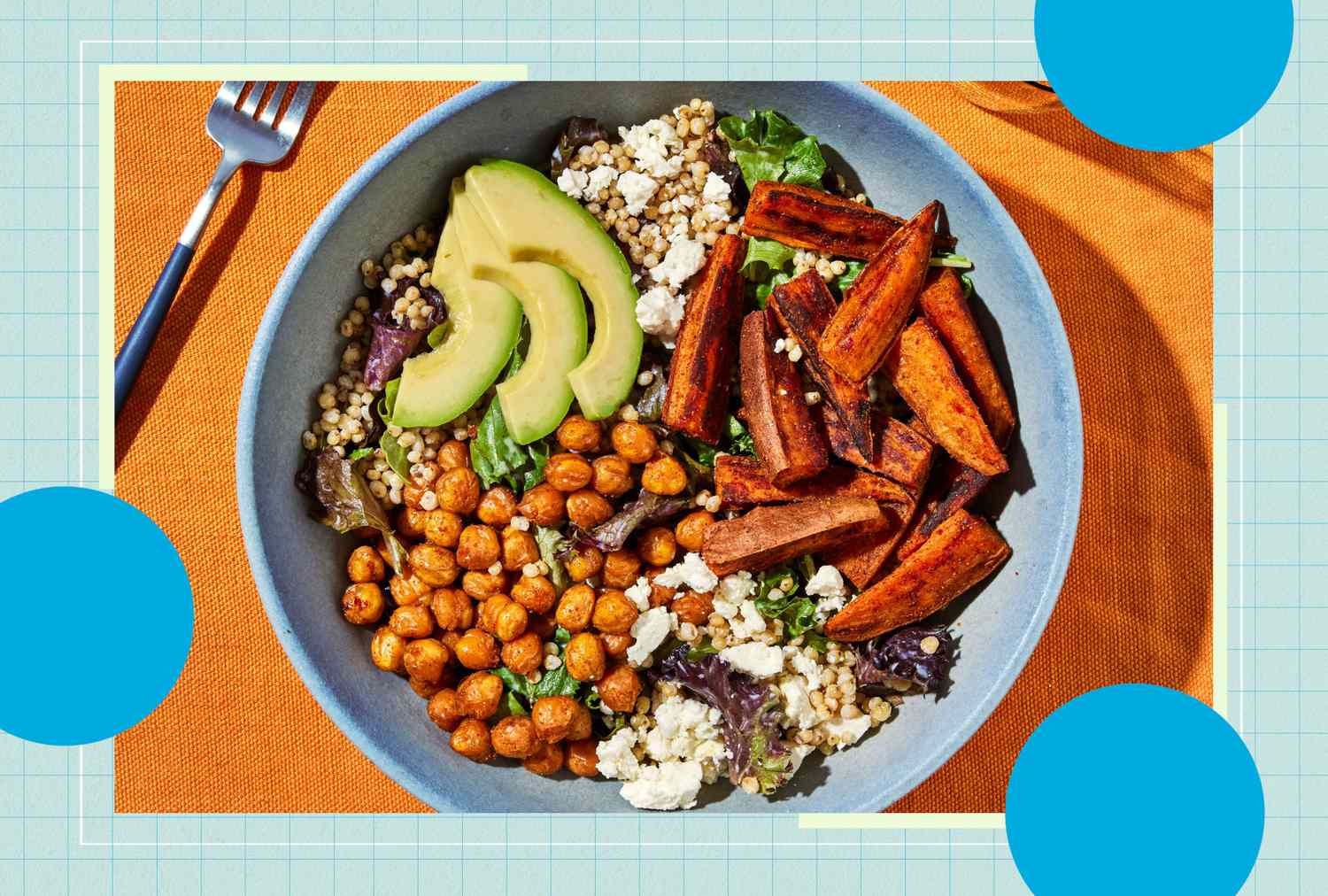
- Colon cancer is the fourth leading cause of cancer deaths in the U.S.
- Eating an anti-inflammatory diet is linked with a 16% lower risk of colon cancer in a new study.
- Anti-inflammatory foods like fermented dairy, produce and healthy fats may help lower risk.
Colorectal cancer (CRC), cancer of the rectum and/or colon (large intestine), is common. In fact, it’s the fourth most common type of cancer, and the fourth leading cause of cancer-related deaths in the U.S.
Researchers are continually looking for lifestyle behaviors that influence cancer, including colorectal cancer. One of these behaviors is what we eat and how it relates to inflammation, as there is evidence of an inflammation connection to colorectal cancer (as well as other types of cancer).
For example, it has been suggested that highly processed foods with little nutritive value, alcohol and foods high in added sugar can increase inflammation in our bodies. But whole, natural foods high in fiber, healthy fats, probiotics and lean protein may help reduce inflammation.
To increase their understanding of how certain eating patterns influence colorectal cancer, researchers from North America and Europe teamed up to analyze data from several large studies. They published their findings in The American Journal of Clinical Nutrition. Let’s break down what they found.
How Was This Study Conducted?
For this analysis, researchers pulled data from six studies on almost 1 million men and women (over 500,00 women and over 400,000 men) from North America and Europe. Researchers collected demographic, clinical and lifestyle information that would be adjusted for during statistical analyses. Participants were followed for an average of 15 years, during which time there were over 16,500 cases of colorectal cancer.
Participants had completed food frequency questionnaires, which researchers used to analyze eating patterns. Specifically, they considered over 800 foods and beverages and compared individuals’ eating patterns against three research-based healthy eating patterns: the low-insulinemic diet, the anti-inflammatory diet and the healthy eating index or HEI-15, which rates overall diet quality.
Researchers harmonized the food data, transposing it all into the same measurements for comparison. They then used these to score participants based on each of the healthy eating patterns. Based on their scores, they were placed into quintiles (one of five groups) for comparison.
What Did This Study Show?
Statistical analyses suggest that those with the healthiest eating patterns had the lowest rates of colorectal cancer. Specifically:
- Participants in the highest quintile of the low-insulinemic diet had an 18% reduced risk of CRC compared to those in the lowest quintile.
- For the same comparison, similar risk reductions were observed for the anti-inflammatory diet (16% reduced risk) and the HEI-2015 (20% reduced risk)
A low-insulinemic diet is a kind of diet that can be beneficial for people with insulin resistance—that means it’s packed with foods like dairy, leafy greens, fruits and whole grains. It’s important to note that all three of these eating patterns are similar, emphasizing higher intakes of fruits, vegetables, dairy and fish or seafood as well as lower intakes of red or processed meat and sugar-sweetened beverages.
Study authors note that additional studies should be conducted outside of the U.S. and European populations, since they cannot conclude that these results apply to other populations. Also, dietary data measured with food frequency questionnaires are prone to measurement error and bias. In addition, different food frequency questionnaires were used across the various studies. And as with any observational study, there may be confounding factors that are not considered.
How Does This Apply to Real Life?
All three of these healthy eating patterns focus on including plenty of fruits, vegetables, whole grains, nuts, seeds, legumes, dairy (especially fermented dairy products, like yogurt and kefir), healthy fats and lean protein. And when it comes down to it, all three have anti-inflammatory properties.
If you’re currently not including these types of foods in your day, start by adding one or two. And if you’re eating a lot of ultra-processed foods, like chips, soda, processed meats and candy, start replacing some of them with anti-inflammatory options. For example, if you want something crunchy, go for nuts or carrot sticks instead of chips. If soda is your go-to drink, try another bubbly beverage, like sparkling water infused with fruit and herbs.
If you’d like guidance on incorporating more anti-inflammatory foods into your repertoire, check out our meal plans. We recommend starting with our 30-Day No Sugar Anti-Inflammatory Meal Plan. You can follow it as is or pick and choose your favorite recipes. Some of our faves are Avocado Tuna Salad, Sheet-Pan Salmon with Crispy Quinoa and Breakfast Bowl with Egg, Spinach & Feta.
And remember that preventing any disease involves a whole-health perspective. So, in addition to incorporating more anti-inflammatory foods, move your body more often, lower your stress levels and aim for plenty of quality sleep.
Our Expert Take
These findings suggest that anti-inflammatory, low-insulinemic and overall healthy dietary patterns are associated with reduced colorectal cancer risk, regardless of underlying food supply and cultural influences. In other words, race and socio-economic status didn’t influence colorectal cancer risk as long as participants were eating foods with anti-inflammatory properties.
If you’re looking for foods to start adding today to reduce your colorectal cancer risk, begin with our top six: broccoli, dairy milk, walnuts, legumes, pistachios and watermelon. For colorectal cancer risk-reducing snack ideas, try yogurt, citrus fruits, tree nuts, apples and salsa and guac. There’s also evidence that eating more deep orange fruits and veggies may help reduce colorectal cancer risk.
