
Close Menu
My Blog

    Subscribe to Updates

    Get the latest creative news from FooBar about art, design and business.

    What's Hot

    Nautilus debuts Voyager platform in push toward next-gen proteomics

    March 1, 2026

    First-in-Human Success for Prenatal Stem Cell Therapy in Spina Bifida

    February 28, 2026

    Pressure-Driven Pathway Links Liver Congestion to Fibrosis and Cancer

    February 28, 2026
    Facebook X (Twitter) Instagram
    X (Twitter) YouTube
    My BlogMy Blog
    Sunday, March 1
    • Home
    • About Us
    • Healthy Living
    • DNA & Genetics
    • Podcast
    • Shop
    My Blog
    Home»Microbiome»Alzheimer’s Risk Predicted Years Before Symptoms Appear
    Microbiome

    Alzheimer’s Risk Predicted Years Before Symptoms Appear

    adminBy adminNovember 13, 2025No Comments4 Mins Read
    Facebook Twitter Pinterest LinkedIn Tumblr WhatsApp VKontakte Email
    Self-Administered Tablet Test Identifies Cognitive Impairment
    Share
    Facebook Twitter LinkedIn Pinterest Email

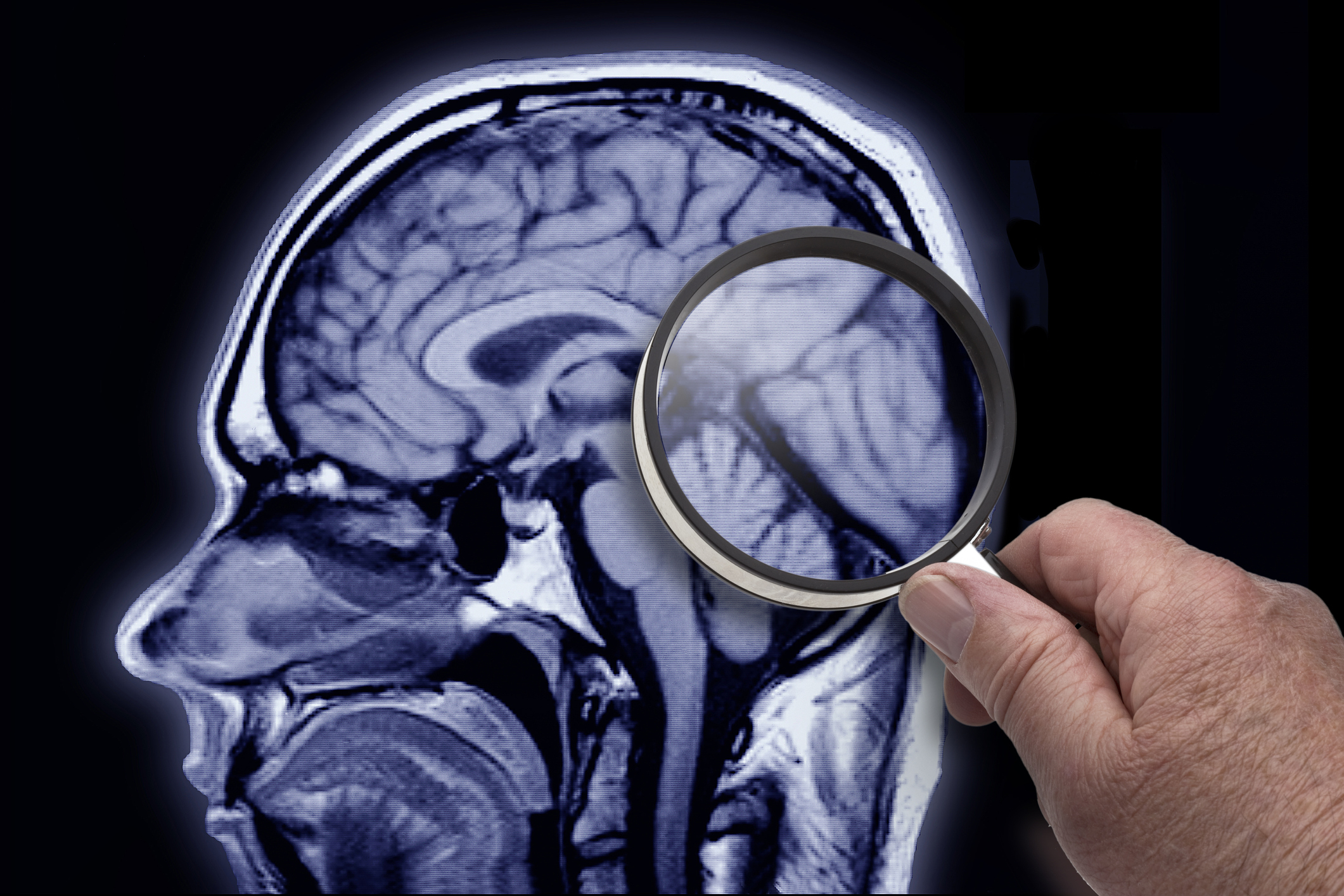
    Credit: GSO Images / The Image Bank / Getty Images

    Researchers at Mayo Clinic have developed a new predictive tool that can estimate an individual’s risk of developing mild cognitive impairment (MCI), an early stage of memory loss that can often evolve into Alzheimer’s disease, years before the first symptoms show up. 

    With a long list of Alzheimer’s drugs failing in late-stage clinical trials over the past two decades, research is increasingly focusing on improving our understanding and ability to detect the early stages of the disease, including asymptomatic and MCI phases. Some of the brain changes that lead to dementia and Alzheimer’s can happen 10 to 20 years before a person is diagnosed with dementia, offering a window of opportunity for interventions to prevent disease progression. 

    “What’s exciting now is that we’re looking even earlier—before symptoms begin—to see if we can predict who might be at greatest risk of developing cognitive problems in the future,” says Clifford R. Jack, MD, leader of a brain imaging research group at Mayo Clinic.

    In a study published today in The Lancet Neurology, Jack and colleagues analyzed data from 5,858 participants from the Mayo Clinic Study of Aging, a population-based study of normal cognitive aging, MCI and dementia following thousands of older adults living in Olmsted County, Minnesota. Still ongoing, the study was started back in 2004 with the goal of developing new tools for the prediction and prevention of cognitive decline and dementia. 

    The resulting prediction model combines multiple risk factors including age, sex, genetic variants of APOE, and levels of amyloid plaques found in the brain as measured using positron emission tomography (PET) scans. Based on this information, it can calculate the likelihood that a given person will develop MCI or dementia within the next 10 years as well as over the course of their expected lifetime.

    Of all risk factors included in the model, the researchers found that brain amyloid levels found on PET scans had the largest effect on an individual’s risk of developing both MCI and dementia in their lifetime. In addition, women were found to have a higher lifetime risk of developing MCI and dementia, while both men and women carrying the APOE4 gene variant have a higher lifetime dementia risk.

    The design of the study has allowed Mayo Clinic researchers to continue following participants even after they stop taking part in the study, collecting information about whether they eventually developed cognitive decline symptoms or dementia by accessing their medical record data. 

    “This gives us a uniquely accurate picture of how Alzheimer’s unfolds in the community,” says Terry M. Therneau, PhD, professor of biostatistics and consultant at the Mayo Clinic. “We found that the incident rate of dementia was two times greater among the people who dropped out of the study than those who continued to participate.”

    While more research and development will be needed before this test can be used in a clinical setting, the researchers stressed its importance in the path towards more personalized care in Alzheimer’s disease. As the model’s performance keeps improving, the team is considering integrating blood-based biomarkers to future versions in order to make testing more accessible to prospective users. 

    “This kind of risk estimate could eventually help people and their doctors decide when to begin therapy or make lifestyle changes that may delay the onset of symptoms. It’s similar to how cholesterol levels help predict heart attack risk,” says Ronald C. Petersen, MD, PhD, director of the Mayo Clinic Alzheimer’s Disease Research Center and the Mayo Clinic Study of Aging. “Ultimately, our goal is to give people more time—time to plan, to act and to live well before memory problems take hold.” 

    Alzheimers predicted Risk Symptoms Years
    Share. Facebook Twitter Pinterest LinkedIn Tumblr WhatsApp Email
    Previous ArticleA molecularly impermeable polymer from two-dimensional polyaramids
    Next Article Ultrathin films of a 2D polymer provide airtight seal
    admin
    • Website

    Related Posts

    First-in-Human Success for Prenatal Stem Cell Therapy in Spina Bifida

    February 28, 2026

    Pressure-Driven Pathway Links Liver Congestion to Fibrosis and Cancer

    February 28, 2026

    Genetic Biomarkers to Predict Efficacy of GLP-1 Therapies Uncovered

    February 28, 2026

    Mapping the Cellular Architecture of Aging Across 21 Organs

    February 28, 2026
    Leave A Reply Cancel Reply

    Our Picks

    9 Time-Saving Kitchen Gadgets for Fall at Amazon

    September 5, 2025

    Why Exercise Is So Important For Heart Health, From An MD

    September 5, 2025

    An Engineered Protein Helps Phagocytes Gobble Up Diseased Cells

    September 5, 2025

    How To Get Rid Of Hangnails + Causes From Experts

    September 5, 2025
    • Facebook
    • Twitter
    • Pinterest
    • Instagram
    • YouTube
    • Vimeo
    Don't Miss
    Longevity

    Nautilus debuts Voyager platform in push toward next-gen proteomics

    By adminMarch 1, 20260

    Company’s new benchtop system promises a clearer view of proteins following validation at a leading…

    First-in-Human Success for Prenatal Stem Cell Therapy in Spina Bifida

    February 28, 2026

    Pressure-Driven Pathway Links Liver Congestion to Fibrosis and Cancer

    February 28, 2026

    A cellular atlas of aging comes into focus

    February 28, 2026

    Subscribe to Updates

    Get the latest creative news from SmartMag about art & design.

    About Us

    At FineGut, our mission is simple: to enhance your self-awareness when it comes to your gut health. We believe that a healthy gut is the foundation of overall well-being, and understanding the brain–gut connection can truly transform the way you live.

    Our Picks

    9 Time-Saving Kitchen Gadgets for Fall at Amazon

    September 5, 2025

    Why Exercise Is So Important For Heart Health, From An MD

    September 5, 2025

    An Engineered Protein Helps Phagocytes Gobble Up Diseased Cells

    September 5, 2025
    Gut Health

    Nautilus debuts Voyager platform in push toward next-gen proteomics

    March 1, 2026

    First-in-Human Success for Prenatal Stem Cell Therapy in Spina Bifida

    February 28, 2026

    Pressure-Driven Pathway Links Liver Congestion to Fibrosis and Cancer

    February 28, 2026
    X (Twitter) YouTube
    • Contact us
    • Privacy Policy
    • Disclaimer
    • Terms and Conditions
    © 2026 finegut.com. Designed by Pro.

    Type above and press Enter to search. Press Esc to cancel.