

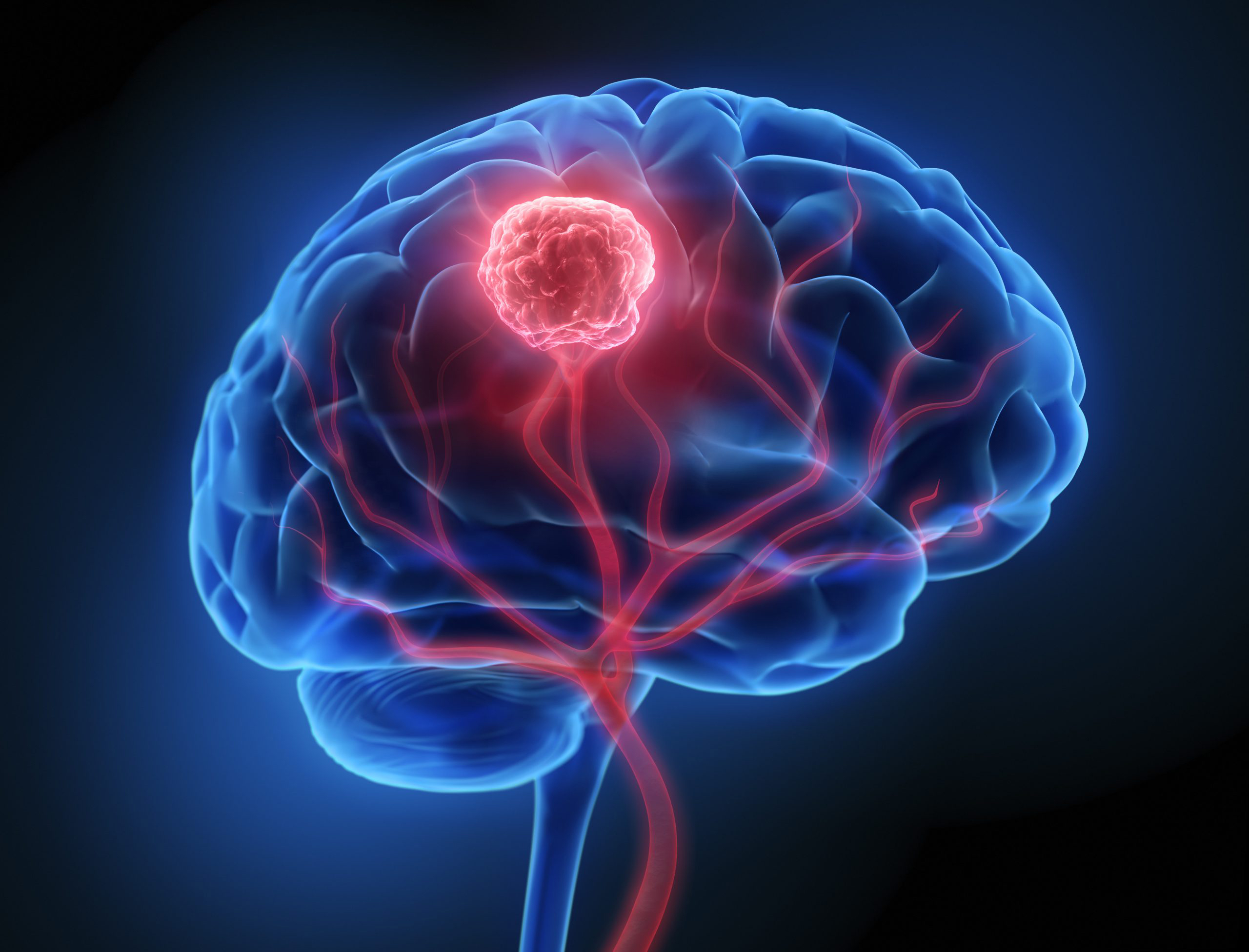
For decades, the brain has been viewed as a sterile organ—protected by the blood–brain barrier and insulated from microbial life. The notion that bacteria could exist within brain tissue was once considered impossible. A new Nature Medicine study from MD Anderson overturns that assumption, revealing that bacterial signatures can be found within tumor cells and the surrounding microenvironment.
“This work opens a new dimension in our understanding of brain tumor biology,” said Jennifer Wargo, MD, professor of Surgical Oncology and Genomic Medicine and core member of the James P. Allison Institute™. “By mapping how microbial elements influence the brain tumor microenvironment, we may be able to identify new therapeutic strategies to improve outcomes for patients facing these devastating diseases.”
The finding emerges from the largest and most comprehensive analysis yet of bacterial elements in brain tumors. While bacterial DNA has been detected in cancers of the gut, breast, and lung, its presence in the brain has remained controversial. This work offers the first evidence that microbial genetic material, and possibly living bacterial fragments, reside within the cells of brain tumors.
Mapping a hidden ecosystem
Led by Golnaz Morad, DDS, PhD, and Wargo, the MD Anderson team examined over 200 brain tissue samples using a suite of advanced methods, including imaging, genetic sequencing, and bacterial culture. The samples spanned both gliomas, the most common and aggressive primary brain cancers, and brain metastases, secondary tumors that spread from cancers elsewhere in the body.
Across this diverse collection, the researchers detected bacterial RNA, DNA, and cellular remnants within tumor cells and across the tumor microenvironment. “These findings highlight a previously unknown player in the brain tumor microenvironment—a new piece of the puzzle that may help explain brain tumor behavior,” Morad said. “Bacterial elements appear to interact with immune cells within the tumor in ways that could influence how tumors develop and respond to treatment.”
The bacterial traces were not random. They were associated with distinct immune and metabolic signatures, suggesting that they may alter cellular pathways relevant to inflammation, oxidative stress, and energy metabolism.
Inflammation and immunity: the microbial connection
Among the most striking observations was the link between bacterial elements and immune cell infiltration. Tumors containing detectable bacterial components showed elevated antimicrobial and immune–metabolic signaling, indicating that immune cells may be responding directly to bacterial molecules within the tumor.
This interplay may help explain why some brain tumors display highly variable immune profiles, ranging from immunologically “cold” to “hot.” If microbial elements are capable of activating immune pathway, or conversely, fostering immune suppression, they could partially determine whether a tumor responds to immunotherapy.
The study also detected correlations between bacterial elements in brain tumors and oral microbiota, implying a possible route of microbial entry or systemic communication between the mouth and brain. Such a link could help explain epidemiological associations between oral disease and cancer risk.
How do bacteria reach the brain?
While the blood–brain barrier limits microbial passage under normal conditions, it can become permeable in disease or during treatment. The authors suggest several mechanisms that could allow bacterial fragments, or entire cells, to reach the brain.
Ongoing investigations at MD Anderson aim to determine whether factors such as gum disease, antibiotic use, or prior cancer therapy may influence microbial migration. “Bacterial components might reach the brain and influence the growth or behavior of brain tumors,” the researchers note, emphasizing that further mechanistic work is needed.
The involvement of MD Anderson’s Platform for Innovative Microbiome and Translational Research (PRIME-TR) reflects a growing recognition that microbiota, long studied in gut cancers, may play an underappreciated role across solid tumors, including those in unexpected sites, such as the brain.
Gliomas and metastatic brain tumors remain among the most treatment-resistant cancers, with median survival often measured in months. Understanding how microbial elements interact with the immune and metabolic landscape could open new therapeutic directions.
If certain bacterial molecules promote tumor progression or dampen immune activation, they could be targeted pharmacologically. Conversely, if bacterial components increase immune recognition, they might be employed to improve immunotherapy efficacy.
A frontier still unfolding
The discovery comes with caveats. The data are correlative, meaning the study cannot yet prove causation between bacterial elements and tumor behavior. The authors caution that bacterial populations differ across geographic regions and lifestyles, so findings will need confirmation in larger, more diverse cohorts.
However, the presence of bacterial genetic material in the brain’s most protected tissues suggests that the microbiome may have systemic influence far beyond the gut. If further confirmed, this could reshape how scientists understand the tumor microenvironment—not as a sterile battlefield, but as a complex ecosystem where microbial and human biology intersect.
MD Anderson researchers are now working to trace the origins of these bacterial elements and test whether manipulating the microbiome could alter tumor growth in preclinical models. Future studies will explore how microbial metabolites interact with neural and immune signaling pathways and whether interventions such as targeted antibiotics, probiotics, or immune modulation could impact patient outcomes.
For now, the discovery that bacteria, or their molecular echoes, exist within brain tumors adds a new layer to cancer biology. It challenges conventional assumptions and suggests that the line between infection and cancer may be more blurred than once believed.
