
Close Menu
My Blog

    Subscribe to Updates

    Get the latest creative news from FooBar about art, design and business.

    What's Hot

    Nautilus debuts Voyager platform in push toward next-gen proteomics

    March 1, 2026

    First-in-Human Success for Prenatal Stem Cell Therapy in Spina Bifida

    February 28, 2026

    Pressure-Driven Pathway Links Liver Congestion to Fibrosis and Cancer

    February 28, 2026
    Facebook X (Twitter) Instagram
    X (Twitter) YouTube
    My BlogMy Blog
    Sunday, March 1
    • Home
    • About Us
    • Healthy Living
    • DNA & Genetics
    • Podcast
    • Shop
    My Blog
    Home»DNA & Genetics»Optical Genome Mapping Links Chromosomal Changes to Recurrent Pregnancy Loss
    DNA & Genetics

    Optical Genome Mapping Links Chromosomal Changes to Recurrent Pregnancy Loss

    adminBy adminNovember 14, 2025No Comments3 Mins Read
    Facebook Twitter Pinterest LinkedIn Tumblr WhatsApp VKontakte Email
    chromosomes
    Share
    Facebook Twitter LinkedIn Pinterest Email

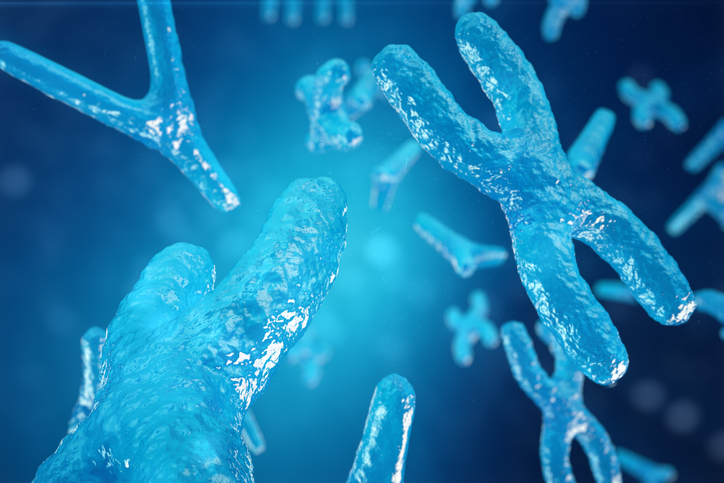
    Credit: Rost-9D/Getty Images

    Separate studies led by scientists at Dartmouth Hitchcock Medical Center (DMHC) and Queens University offer some clarity about the hidden causes of recurrent pregnancy loss. Data from both studies is being presented at the annual meeting of the Association for Molecular Pathology (AMP) taking place in Boston, MA from November 11-15.

    According to at least one estimate, pregnancy loss may occur in as many as 25 percent of all pregnancies, mostly during the first trimester. About half of the cases are caused by genetic or chromosomal issues. When pregnancy loss occurs three or more times, these are considered recurrent losses. Oftentimes the causes of recurrent pregnancy loss are unclear. 

    But answers may be coming thanks to new research using optical genome mapping (OGM) technology, a tool for analyzing genome structures at high resolution to detect abnormalities missed by traditional sequencing. In the first study, which was led by Debopriya Chakraborty, PhD, a clinical postdoctoral fellow at DHMC, scientists investigated whether OGM technology could detect harmful chromosomal changes in patients with a family history or at risk of recurrent pregnancy loss. These were also patients who had previously been through traditional genetic tests such as karyotyping or chromosomal microarray analysis, making it possible to compare the method directly. 

    Chakraborty’s team reported finding 40 structural changes in the genome on average. Furthermore, they looked at 238 genes that were known to be linked to recurrent pregnancy loss (RPL) in the participants. In two cases, they found that important RPL-related genes that also play a role in infertility were directly affected by the structural changes they observed. In another case, they found a hidden chromosome rearrangement that disrupted other genes not tied to RPL.

    The second study was led by Amira Othman, MD, PhD, a PGY-4 diagnostic and molecular pathology resident at Queens University in Ontario, Canada. For their analysis, the scientists focused on fragile sites, sections of the human chromosome that are more prone to developing breaks, gaps, or constrictions during DNA replication or repair. These sites are known to contribute to genetic instability; Othman’s team focused on exploring their connection to RPL cases. 

    Specifically, they looked at data from a 33-year-old patient who had been through three consecutive early pregnancy losses. Prior chromosome testing identified breaks at a rare fragile site dubbed FRA16B in about one-third of her cells. When they analyzed her samples using OGM, they discovered an unusually large repeated DNA segment at FRA16B, which pointed to a possible link between genome instability and pregnancy loss. More broadly, the results suggest that OGM could elucidate a broader role for fragile sites in reproductive issues as well as help with identifying missed cases when used in combination with other cytogenetic testing methods. 

    Chromosomal Genome links Loss Mapping optical Pregnancy Recurrent
    Share. Facebook Twitter Pinterest LinkedIn Tumblr WhatsApp Email
    Previous ArticleThe 5 Best Activities In Napa According To A Wellness Editor
    Next Article Jam-Brie Puff Pastry Bites
    admin
    • Website

    Related Posts

    Pressure-Driven Pathway Links Liver Congestion to Fibrosis and Cancer

    February 28, 2026

    Mapping the Cellular Architecture of Aging Across 21 Organs

    February 28, 2026

    A Video Report from AGBT

    February 27, 2026

    Novo Nordisk, Vivtex Ink Up to $2.1B Deal to Develop Oral Biologics for Metabolic Conditions

    February 27, 2026
    Leave A Reply Cancel Reply

    Our Picks

    9 Time-Saving Kitchen Gadgets for Fall at Amazon

    September 5, 2025

    Why Exercise Is So Important For Heart Health, From An MD

    September 5, 2025

    An Engineered Protein Helps Phagocytes Gobble Up Diseased Cells

    September 5, 2025

    How To Get Rid Of Hangnails + Causes From Experts

    September 5, 2025
    • Facebook
    • Twitter
    • Pinterest
    • Instagram
    • YouTube
    • Vimeo
    Don't Miss
    Longevity

    Nautilus debuts Voyager platform in push toward next-gen proteomics

    By adminMarch 1, 20260

    Company’s new benchtop system promises a clearer view of proteins following validation at a leading…

    First-in-Human Success for Prenatal Stem Cell Therapy in Spina Bifida

    February 28, 2026

    Pressure-Driven Pathway Links Liver Congestion to Fibrosis and Cancer

    February 28, 2026

    A cellular atlas of aging comes into focus

    February 28, 2026

    Subscribe to Updates

    Get the latest creative news from SmartMag about art & design.

    About Us

    At FineGut, our mission is simple: to enhance your self-awareness when it comes to your gut health. We believe that a healthy gut is the foundation of overall well-being, and understanding the brain–gut connection can truly transform the way you live.

    Our Picks

    9 Time-Saving Kitchen Gadgets for Fall at Amazon

    September 5, 2025

    Why Exercise Is So Important For Heart Health, From An MD

    September 5, 2025

    An Engineered Protein Helps Phagocytes Gobble Up Diseased Cells

    September 5, 2025
    Gut Health

    Nautilus debuts Voyager platform in push toward next-gen proteomics

    March 1, 2026

    First-in-Human Success for Prenatal Stem Cell Therapy in Spina Bifida

    February 28, 2026

    Pressure-Driven Pathway Links Liver Congestion to Fibrosis and Cancer

    February 28, 2026
    X (Twitter) YouTube
    • Contact us
    • Privacy Policy
    • Disclaimer
    • Terms and Conditions
    © 2026 finegut.com. Designed by Pro.

    Type above and press Enter to search. Press Esc to cancel.