
Close Menu
My Blog

    Subscribe to Updates

    Get the latest creative news from FooBar about art, design and business.

    What's Hot

    Nautilus debuts Voyager platform in push toward next-gen proteomics

    March 1, 2026

    First-in-Human Success for Prenatal Stem Cell Therapy in Spina Bifida

    February 28, 2026

    Pressure-Driven Pathway Links Liver Congestion to Fibrosis and Cancer

    February 28, 2026
    Facebook X (Twitter) Instagram
    X (Twitter) YouTube
    My BlogMy Blog
    Sunday, March 1
    • Home
    • About Us
    • Healthy Living
    • DNA & Genetics
    • Podcast
    • Shop
    My Blog
    Home»Probiotics»Beans: Benefits and Side Effects
    Probiotics

    Beans: Benefits and Side Effects

    adminBy adminNovember 15, 2025No Comments3 Mins Read
    Facebook Twitter Pinterest LinkedIn Tumblr WhatsApp VKontakte Email
    Why Beans Make You Gassy and What You Can Do About It
    Share
    Facebook Twitter LinkedIn Pinterest Email

    If you’re looking for an alternative to meat to get your required servings of protein, beans are a great, nutrient-packed choice. But — as anyone who’s ever eaten a burrito knows — there’s one downside to eating beans: They can make you gassy.

    Fortunately, there are ways to enjoy beans while preventing their unfortunate side effects.

    Bean Basics

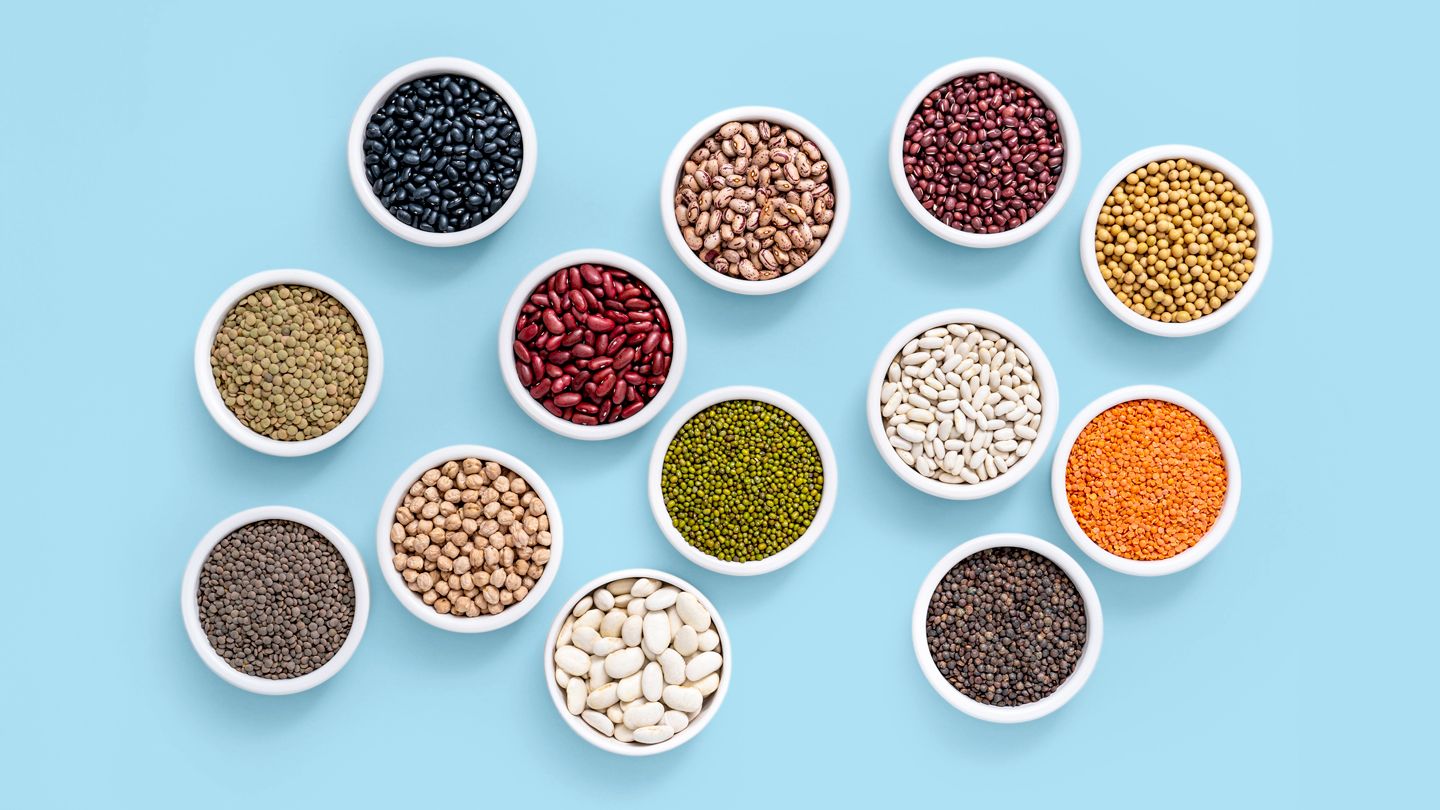
    Beans are the mature seeds of plants known as legumes, according to the Grains & Legumes Nutrition Council. Beans are high in protein, versatile, and relatively inexpensive, making them a staple ingredient around the world. Beans are also rich in B vitamins, iron, magnesium, potassium, and vitamin E, according to the U.S. Department of Agriculture (USDA).

    Beans come in a variety of shapes, sizes, and colors for use in an array of dishes. According to the U.S. Dry Bean Council, pinto beans are the most popular bean in the United States. Other common types of beans include:

    • Lima beans
    • Black beans
    • Black-eyed peas
    • Soybeans
    • Kidney beans
    • Garbanzo beans (chickpeas)
    • Navy beans
    • Red beans
    • Fava beans
    • Lentils

    You can enjoy all types of beans in dry, canned, and frozen forms.

    Beans and Gassiness

    Passing gas is normal and a byproduct of healthy digestion. Mayo Clinic says most people pass gas up to 20 times a day. Beans, with their high fiber content, are known for causing bloating and flatulence.

    According to Cleveland Clinic, beans also contain raffinose, a type of carbohydrate that is difficult to digest. While research has indicated that raffinose has beneficial effects on gut bacteria, it produces intestinal gas when it’s broken down.

    How to Turn Off the Gas

    Although there are no specific beans that don’t cause gas, not all types of legumes increase gas equally.

    According to Harvard Health Publishing, beans that tend to be the biggest offenders when it comes to gas production include:

    • Pinto
    • Navy
    • Lima
    • Whole soybeans

    Adzuki beans, lentils, and black-eyed, pigeon, and split peas tend to cause less gas.

    Everyone reacts differently to each type of bean — so if one type of bean bothers you, try a different one.

    Consider some of these tips from Harvard Health Publishing to make beans easier to digest:

    • Presoak them: By soaking dry beans for 12 to 24 hours and discarding the soaking water, you can reduce their gas-producing potential. The longer beans soak, the more effective this will be. Use fresh, clean cooking water. Rinse canned beans before eating.
    • Take an enzyme: To break down some of the gas-producing oligosaccharides, you can take an enzyme called alpha-galactosidase before eating beans. Over-the-counter products such as Beano, Bean Relief, and Bean-zyme can help improve digestion of beans.
    • Start small: By starting out slowly and keeping your portions small, you can let your body get accustomed to the fiber and oligosaccharides in beans. Gradually increase your intake by eating beans more frequently or consuming larger servings. When you eat beans regularly, you may find they produce less flatulence over time.
    • Chew them well: Chewing beans thoroughly before swallowing them exposes them to the digestive enzymes in your saliva, which do some of the work before they hit your stomach.
    Beans benefits effects Side
    Share. Facebook Twitter Pinterest LinkedIn Tumblr WhatsApp Email
    Previous Article15+ Best High-Protein Pasta Recipes
    Next Article Alex Guarnaschelli’s Easy Baked Blue Cheese
    admin
    • Website

    Related Posts

    100 IPA Newsletters Later: Setting the Global Standard for Biotics

    February 24, 2026

    Fido Needs an Antibiotic: Are There Strategies to Maintain Gut Integrity and Restore Gut Microbiota?

    February 24, 2026

    Why CoQ10 Production Depends on Microbial Balance

    February 23, 2026

    What Does Fish Oil Do for Women? Benefits, Skin & Hormones

    February 18, 2026
    Leave A Reply Cancel Reply

    Our Picks

    9 Time-Saving Kitchen Gadgets for Fall at Amazon

    September 5, 2025

    Why Exercise Is So Important For Heart Health, From An MD

    September 5, 2025

    An Engineered Protein Helps Phagocytes Gobble Up Diseased Cells

    September 5, 2025

    How To Get Rid Of Hangnails + Causes From Experts

    September 5, 2025
    • Facebook
    • Twitter
    • Pinterest
    • Instagram
    • YouTube
    • Vimeo
    Don't Miss
    Longevity

    Nautilus debuts Voyager platform in push toward next-gen proteomics

    By adminMarch 1, 20260

    Company’s new benchtop system promises a clearer view of proteins following validation at a leading…

    First-in-Human Success for Prenatal Stem Cell Therapy in Spina Bifida

    February 28, 2026

    Pressure-Driven Pathway Links Liver Congestion to Fibrosis and Cancer

    February 28, 2026

    A cellular atlas of aging comes into focus

    February 28, 2026

    Subscribe to Updates

    Get the latest creative news from SmartMag about art & design.

    About Us

    At FineGut, our mission is simple: to enhance your self-awareness when it comes to your gut health. We believe that a healthy gut is the foundation of overall well-being, and understanding the brain–gut connection can truly transform the way you live.

    Our Picks

    9 Time-Saving Kitchen Gadgets for Fall at Amazon

    September 5, 2025

    Why Exercise Is So Important For Heart Health, From An MD

    September 5, 2025

    An Engineered Protein Helps Phagocytes Gobble Up Diseased Cells

    September 5, 2025
    Gut Health

    Nautilus debuts Voyager platform in push toward next-gen proteomics

    March 1, 2026

    First-in-Human Success for Prenatal Stem Cell Therapy in Spina Bifida

    February 28, 2026

    Pressure-Driven Pathway Links Liver Congestion to Fibrosis and Cancer

    February 28, 2026
    X (Twitter) YouTube
    • Contact us
    • Privacy Policy
    • Disclaimer
    • Terms and Conditions
    © 2026 finegut.com. Designed by Pro.

    Type above and press Enter to search. Press Esc to cancel.