

- Fibermaxxing is a trend that’s focused on hitting your fiber goals for the day.
- Dietitians like it because most people don’t eat enough fiber and it’s associated with many health benefits.
- You’ll want to increase your fiber slowly because going too fast can cause GI symptoms. It also may not be right for everyone.
It started, as many wellness trends do, in a wave of TikTok videos showing off colorful bowls of berries, chia-seed puddings and giant salads, all under the umbrella hashtag of #fibermaxxing. At its core, the idea is pretty straightforward: pack your meals with more fiber, ideally hitting or surpassing what’s recommended for most of us. That’s not exactly news, since research has shown that the majority of us are not getting enough fiber.
Fiber is a friend to your gut microbiome, your daily rhythm and your individual needs, but it’s important to know how much you really need and how to add it regularly to your diet. Here we unpack what fiber really is, how dietitians really feel about this trend and what you need to know before you jump in.
What Is Fiber?
Fiber, simply put, is the nondigestible part of plant foods. It comes in two major types: soluble, which dissolves in water and forms a gel-like substance, and insoluble, which adds bulk and helps food pass through your digestive system.
Fiber is a multitasker that supports regularity, helps feed your gut microbiome, slows digestion, helps keep blood sugar steadier, contributes to lower cholesterol and plays a role in reducing chronic-disease risks.
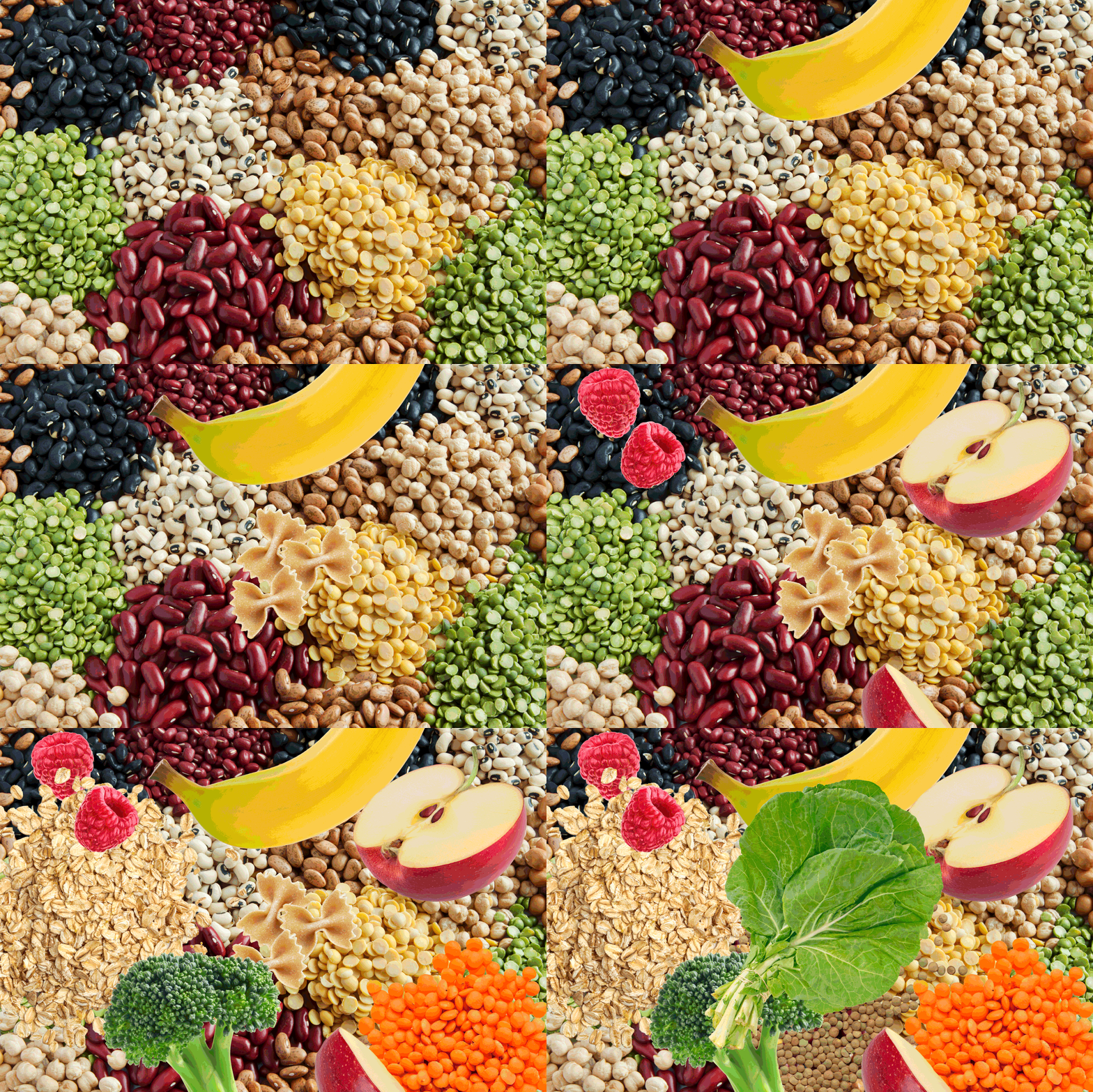
Most healthy adults should aim for roughly 25 to 35 grams of fiber per day. Good food sources of fiber include beans, lentils, whole grains, oats, quinoa, berries, apples (with the skin), vegetables (especially the fibrous ones), nuts and seeds like chia and flax.
Why Dietitians Approve of Fibermaxxing
Here are several reasons dietitians are nodding yes to the fibermaxxing wave, when done thoughtfully.
It Addresses a Huge Gap
The average American gets less than half of the daily recommended amount of fiber. That’s why this trend is one dietitians are actually cheering for: It flips the typical “avoid this” wellness narrative into one focused on adding more. The plan to add beans, seeds, whole grains and colorful plants is music to a dietitian’s ears, since they’ve been encouraging that style of eating for decades.
“When people focus on what to add rather than what to avoid, it can change their whole relationship with food,” says Sharon Palmer, M.S.F.S., RDN. Rather than cutting carbs or skipping meals, people are encouraged to pile their plates with plants. Filling your meals with fiber-rich foods that also deliver vitamins, minerals, antioxidants and flavor is something dietitians can get behind.
It Supports Your Health in Multiple Ways
Fiber isn’t just about digestion. It plays a role in managing blood sugar and cholesterol, supporting heart and gut health and more.
“When you include more fiber in your diet, you’re nourishing a healthy gut microbiome,” says Palmer. “That positively impacts your entire body and contributes to lower levels of inflammation. It can also help rid the body of excess cholesterol and stabilize blood sugar to reduce your risk of diabetes.”
It Can Support Satiety and Meal Quality
When you increase fiber from whole-food sources, you tend to feel more satisfied, which can reduce mindless snacking and grazing. Fiber may be one of the most ignored yet most needed nutrients for long-term health. By fueling up on fiber, especially from whole plant-based foods, we not only improve overall diet quality but also support weight-management goals.
Palmer points out that beans, lentils and whole grains play starring roles in this process: “They’re rich sources of both fiber and protein, and can easily be part of tacos, burritos, chili, stews or grain bowls.”
It Connects to Cultural Food Traditions
Registered dietitian Maya Feller, M.S., RD, CDN, reminds us that fibermaxxing isn’t new—it’s just newly branded. “Every ethnicity has a heritage food that is culturally theirs,” she says. “I encourage people to think about plant-based foods that remind them of home, family, tradition and shared history.”
Feller adds, “Looking around the globe, there are many fiber-rich foods that have existed for millennia before we coined the term ‘fibermaxxing.’ Beans and legumes are staples across cultures; they are wonderful sources of fiber and incredibly versatile. Whole and ancient grains like quinoa, fonio, farro, millet and sorghum are some examples of fiber-rich cereal grains.”
By reconnecting with traditional fiber-rich foods, Feller says, people can embrace the spirit of the trend without losing touch with cultural authenticity—or relying solely on Western wellness foods.
What Dietitians Want You to Know Before Trying This Trend
Even the biggest fans of fibermaxxing remind us: caveats apply. Increase fiber slowly, and know that an overload is not necessarily better. If you want to add more fiber, start small. Begin with one extra serving of vegetables or beans each day, then gradually increase over time. Give your gut time to adapt.
Palmer agrees: “If you go from a low-fiber diet to all in on a high-fiber diet quickly, you can get some bothersome GI issues like gas and bloating. Start slowly, adding beans a couple of times a week, and increase as your body adjusts.”
Feller adds, “The majority of people living in the U.S. don’t meet recommended fiber intakes, so when they go from zero to 100, that’s putting significant stress on the digestive system.”
Stay Hydrated and Space Out Your Fiber
Fiber plus fluid is the ideal relationship. Without enough water, fiber can produce bulk that leads to slow-moving stool, discomfort and constipation. It’s also important not to stack all your fiber into one meal. Spreading it across the day helps your gut bacteria and your digestion.
Try pairing beans, whole grains and seeds with adequate water and with meals that include protein and healthy fat.
Source and Variety Count
Not all fiber sources behave the same. Whole-food fibers bring along micronutrients, phytonutrients and microbial diversity. Fiber supplements or isolated fibers don’t always carry the same benefits.
As Palmer notes, “There’s more attention now on diverse, fiber-rich foods—but also more products with added isolated fibers. While those can help, it’s important to get a variety of natural fiber types for maximum benefits. These whole foods come with a wealth of other nutrients that are key for human health.”
Excessive fiber intake can interfere with nutrient absorption or medication. And while soluble fiber from oats can help reduce cholesterol levels, insoluble fiber from bran can help prevent constipation. Different fibers offer different benefits—so include a mix of beans, lentils, oats, vegetables, nuts and seeds rather than relying on bars or powders.
One Size Doesn’t Fit All
If you’re troubled by a gut condition, like irritable bowel syndrome or diverticulitis, or you’re on medications that affect GI transit, you may need a modified approach to adding fiber. Fibermaxxing could exacerbate symptoms if not done thoughtfully. It’s best to check with your health care provider or a registered dietitian nutritionist if you have a GI history before dramatically increasing your fiber intake.
Who Should Not Try Fibermaxxing
- People with certain GI conditions: Those with active flare-ups of inflammatory bowel disease (Crohn’s, ulcerative colitis), gastroparesis, or who are on treatments that restrict fiber intake.
- People with recent GI surgery: After surgeries like bowel resections, high-bulk fiber may overload or irritate the system and cause complications.
- Those whose appetite or nutrient intake is already low: If you’re undernourished or have a restricted eating pattern, flooding your plate with excessively high-fiber foods may reduce your overall caloric intake and prevent you from meeting your protein and fat needs.
- Individuals on medications where timing matters: Some medications’ absorption can be altered by very high fiber intake or the timing of fiber consumption.
Our Expert Take
The fibermaxxing trend has two distinct faces: one is immediately beneficial, since the average person eats far too little fiber. The second is cautionary, because “maxxing” can easily shift into “overwhelming,” which may backfire.Think of fibermaxxing as “fiber optimizing” rather than “fiber flooding.” The goal is to bring you to the recommended 25 to 35 grams per day. Focus on whole foods, hydration, plant variety and balanced meals. Yes, this trend is worth embracing, just do it with balance, intention and respect for your body.
