

Q | Write a brief introduction to yourself including the lab you work in and your research background.
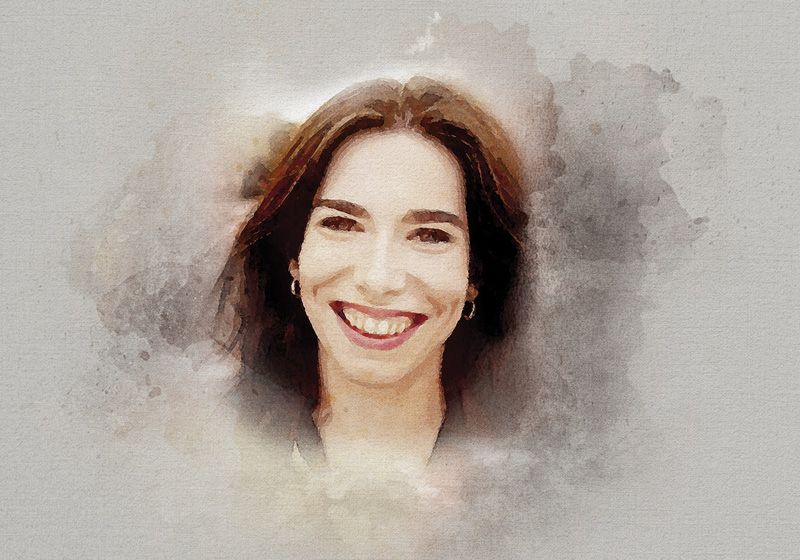
I am Cristina Rosell Cardona, an INSPIRE APC-Marie Curie Fellow in the Microbiota-Brain-Gut Axis group at APC Microbiome Ireland, University College Cork. I study microbial metabolites’ effects on depression using human iPSCs. I previously researched stress, gut-brain barriers, and synaptic plasticity, earned a PhD at the University of Barcelona on protein supplementation in an Alzheimer’s mouse model.
Q | How did you first get interested in science and/or your field of research?
I have been deeply passionate by science since I was a child, captivated by how nutrients influence health. This curiosity led me to pursue research opportunities early on. During my bachelor’s at the University of Barcelona, I worked in the Cellular Signaling group, studying how nutrients affect gene expression and health, and collaborated with the Digestive Physiology and Nutritional Adaptations group, investigating the effects of dietary components on lipid metabolism and gut-immune interactions. During my master’s, at the University of Girona, I joined the Cellular and Molecular Neurobiology group, exploring how dietary supplements, including omega-3 fatty acids and probiotics, modulate neural plasticity and cognitive biomarkers in pigs. Returning to the University of Barcelona for postgraduate studies and a master’s secondment, I also participated in co-culture experiments of epithelial and immune cells, linking molecular mechanisms to physiological outcomes. These experiences strengthened my research skills and deepened my passion for understanding the gut-brain axis, which became the focus of my PhD and postdoctoral research.
Q | Tell us about your favorite research project you’re working on.
My project UNDEPRESSME (Towards an UNderstanding of the gut-brain axis in DEPRESSion: focus on microbial MEtabolites) addresses the urgent need for novel, effective treatments for major depressive disorder (MDD), which affects five percent of adults worldwide and often resists conventional therapies. Emerging evidence highlights the gut microbiota as a key regulator of mood, and cognition through the microbiota-gut-brain axis. Microbial metabolites can be the key effectors implicated in depression with short chain fatty acids (SCFAs) often found at reduced levels in affected individuals. Building on my previous work on SCFAs, I demonstrated their influence on neuroplasticity, neuroinflammation, and blood–brain barrier integrity under acute stress, yet the precise molecular mechanisms in human brain cells remain poorly understood.
To overcome limitations of rodent models, UNDEPRESSME uses human induced pluripotent stem cells (hiPSCs) derived from individuals with and without depression, differentiated into neurons and microglia, to study the direct effects of selected microbial metabolites. Metabolites identified from clinical and preclinical data will be applied to co-cultures under basal and stress-mimicking conditions, assessing synaptic function, neurotransmitter synthesis, neuroinflammation, and stress-related signaling.
By integrating transcriptomic, metabolomic, and functional analyses, UNDEPRESSME aims to reveal how microbial metabolites modulate human brain cells, identify therapeutic targets, and guide precision interventions for depression.
Q | What do you find most exciting about your research project?
The most exciting part of my scientific journey has been the opportunity to continuously learn and master a wide range of experimental techniques while addressing complex biological questions. I have gained expertise in cell culture, co-culture systems, stem cell differentiation, molecular and functional assays, metabolomics, transcriptomics, and HPLC, building the skills necessary to investigate the gut-brain axis in both human and animal-relevant models. Overcoming technical and conceptual challenges in these diverse systems has strengthened my problem-solving abilities, creativity, and resilience.
Equally rewarding has been contributing to the scientific community through teaching, mentoring, collaborations, and networking. As chair and treasurer of the APC Postdoc Association, I help organize scientific events and foster networking opportunities while developing leadership and organizational skills. Similarly, as co-moderator of the ECNP iPSC Network talks, I engage in scientific discussions and knowledge exchange. I have also taught at the University of Barcelona and University College Cork, mentored students, and collaborated on projects across institutions. Actively pursuing funding opportunities, including successfully obtaining the INSPIRE Marie Curie Fellowship, has further enriched my experience. Combining technical expertise, teaching, mentoring, leadership, collaborations, and networking has made my research journey dynamic and deeply fulfilling.
Q | If you could be a laboratory instrument, which one would you be and why?
If I could be a laboratory instrument, I would choose to be a confocal microscope. Having worked extensively with confocal imaging, I appreciate how it combines curiosity, precision, and creativity, allowing one to capture detailed, dynamic images of living cells while monitoring protein outcomes, synaptic connections, and functional processes in real time. The ability to produce images that are both scientifically informative and visually striking reflects the beauty of cellular complexity.
At the same time, my experience with electrophysiology has shown me the thrill of recording actual synaptic events and observing neuronal communication firsthand, which is an insight few instruments can provide. Both instruments mirror my scientific passions: understanding function at the cellular level, embracing complexity, and capturing the dynamic nature of biology. Having worked with both, I know the excitement of discovery they offer, and if I could be one, I would embody the curiosity, precision, and storytelling power they bring to neuroscience.
Are you a researcher who would like to be featured in the “Postdoc Portraits” series? Send in your application here.
