

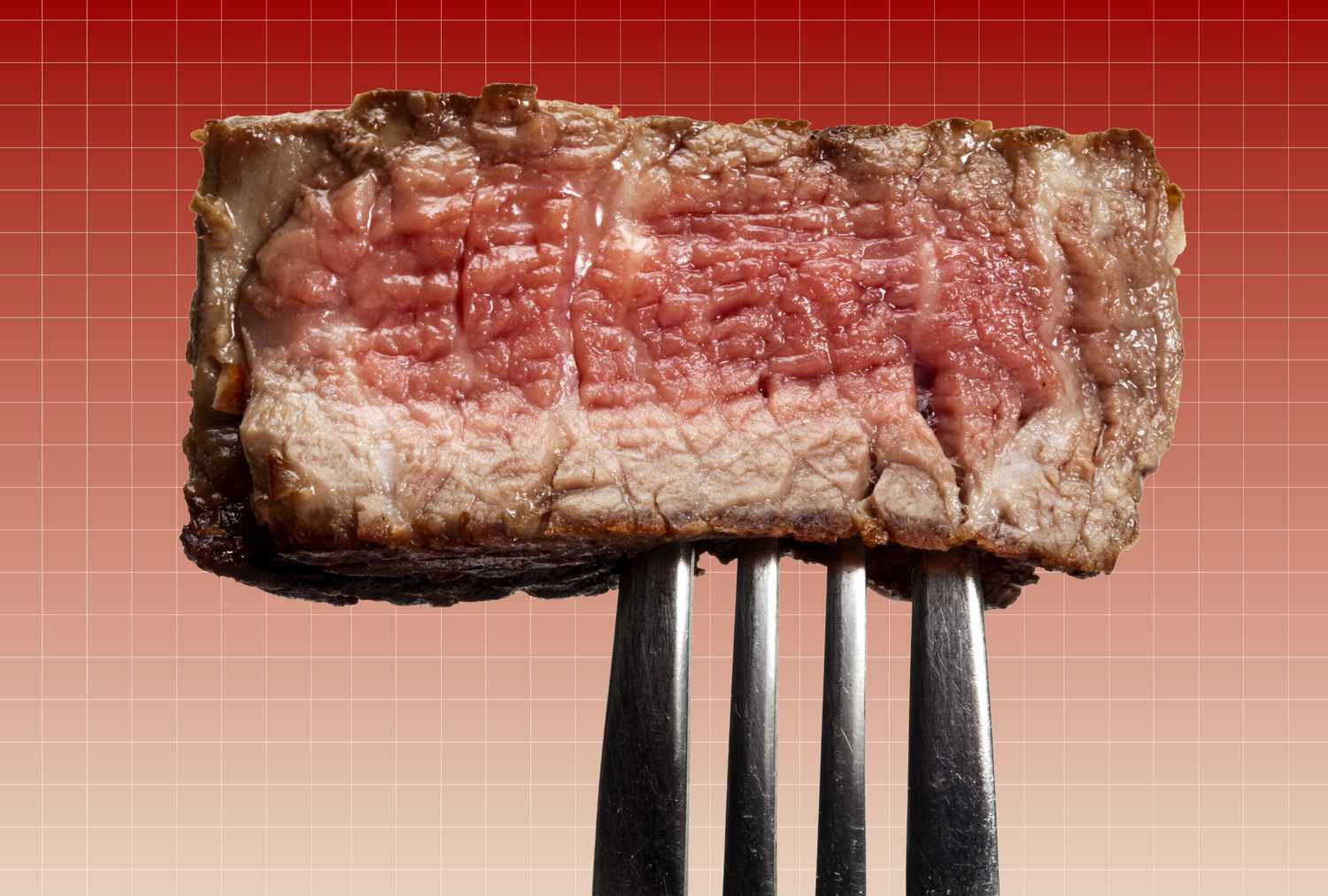
- A new study found that a high-protein diet was associated with a higher risk of major cardiovascular events.
- The risk was most pronounced in adults over 55, who had a 36% higher risk of heart attack, stroke, heart failure or cardiovascular death.
- For adults under 55, researchers found no significant association between high protein intake and cardiovascular risk.
Protein has become something of a nutrition celebrity lately. Scroll through social media and you’ll find influencers championing high-protein diets for everything from building muscle to losing weight to boosting energy. Many people have embraced the idea that more protein equals better health.
It’s true that protein plays essential roles in your body—it helps build and repair tissues, supports immune function and keeps you feeling satisfied after meals. For athletes, higher protein intakes of 1.6 to 1.8 grams per kilogram of body weight daily are often recommended. But when it comes to long-term health outcomes, the picture becomes more complicated—and one thing that’s been missing is how age might influence this relationship.
A new study published in The Journal of Nutrition, Health and Aging aimed to address this gap. Researchers analyzed data from nearly 20,000 participants to examine how high-protein diets relate to cardiovascular events and whether age changes the equation. What they found may prompt you to think twice about protein recommendations, especially if you’re over 55.
How Was This Study Conducted?
This prospective cohort study used data from the UK Biobank, a large research database containing health information from over 500,000 people. Researchers included 19,420 participants who completed at least one detailed dietary questionnaire between 2009 and 2012. To be included, participants couldn’t have a history of heart failure, heart attack, stroke or chronic kidney disease. The participants had a median age of 54 years, and nearly 73% were female. About half were younger than 55, and the other half were 55 or older.
The researchers defined “high-protein intake” as consuming 1.8 grams or more per kilogram of body weight daily. For a 150-pound person, that’s about 123 grams of protein daily. General guidelines suggest 0.8 to 1.0 grams per kilogram for most adults, which would be 54 to 68 grams of protein each day.
The primary outcome was major adverse cardiovascular events (MACE), including heart attack, heart failure, stroke and cardiovascular death. Participants were followed for an average of 13.2 years. To ensure fair comparisons, researchers used propensity score matching to account for differences in age, sex, BMI, physical activity, blood pressure and other health factors.
What Did the Study Find?
Over the follow-up period, 967 major cardiovascular events occurred. After adjusting for various risk factors, participants with high-protein intake had a 21% higher risk of experiencing a major cardiovascular event compared to those with lower protein intake.
High-protein diets were associated with a 43% higher risk of heart failure, a 50% higher risk of heart attack, a 73% higher risk of cardiovascular death and a 39% higher risk of death from any cause.
The key finding: age made a significant difference. Among participants 55 and older, high-protein intake was associated with a 36% higher risk of major cardiovascular events. Among those younger than 55, there was no significant association.
The study had limitations. The population was predominantly white (over 90%) and healthy at baseline. Dietary information was self-reported and about 36% of participants completed only one questionnaire. As an observational study, it can’t prove causation—only association.
How Does This Apply to Real Life?
If you’ve been loading up on protein because you’ve heard more is always better, this research suggests it may be time to reconsider.
Researchers think there could be a few reasons why. High-protein diets may increase branched-chain amino acids, which are linked to inflammation and oxidative stress. Protein metabolism also produces a compound called trimethylamine N-oxide (TMAO), which is associated with atherosclerosis (also known as “hardening of the arteries”). TMAO levels rise with age and may be harder for older adults to clear.
This doesn’t mean you should fear protein. It remains essential for muscle mass and strength as you age. But there appears to be an upper limit to the benefits, particularly for adults over 55.
What should you do? If you’re eating more than 1.8 grams per kilogram daily and you’re over 55, discuss with a healthcare provider or registered dietitian whether that level is appropriate. The standard recommendation of 0.8 to 1.0 grams per kilogram is reasonable for most adults, with slightly higher intakes (1.0 to 1.2 grams) sometimes suggested for older adults to preserve muscle.
Also consider protein quality. Incorporating more beans, lentils, nuts and seeds alongside some animal protein is generally heart-healthy. And remember that protein is just one piece of cardiovascular health—regular physical activity, maintaining healthy weight and managing blood pressure all matter too.
Our Expert Take
A new study found that eating a high-protein diet—1.8 grams or more per kilogram of body weight daily—was associated with increased cardiovascular risk, particularly for adults over 55, who had a 36% higher risk of major events like heart attack and stroke. The findings suggest protein recommendations may need to be personalized by age. If you’re over 55 and consuming high amounts of protein, consider speaking with a registered dietitian to determine whether your intake is appropriate for your needs.
