
Close Menu
My Blog

    Subscribe to Updates

    Get the latest creative news from FooBar about art, design and business.

    What's Hot

    Nautilus debuts Voyager platform in push toward next-gen proteomics

    March 1, 2026

    First-in-Human Success for Prenatal Stem Cell Therapy in Spina Bifida

    February 28, 2026

    Pressure-Driven Pathway Links Liver Congestion to Fibrosis and Cancer

    February 28, 2026
    Facebook X (Twitter) Instagram
    X (Twitter) YouTube
    My BlogMy Blog
    Sunday, March 1
    • Home
    • About Us
    • Healthy Living
    • DNA & Genetics
    • Podcast
    • Shop
    My Blog
    Home»Microbiome»CAR T Cell Therapy for Coronary Artery Disease Shows Early Success
    Microbiome

    CAR T Cell Therapy for Coronary Artery Disease Shows Early Success

    adminBy adminNovember 22, 2025No Comments3 Mins Read
    Facebook Twitter Pinterest LinkedIn Tumblr WhatsApp VKontakte Email
    CAR T Cell Therapy for Coronary Artery Disease Shows Early Success
    Share
    Facebook Twitter LinkedIn Pinterest Email

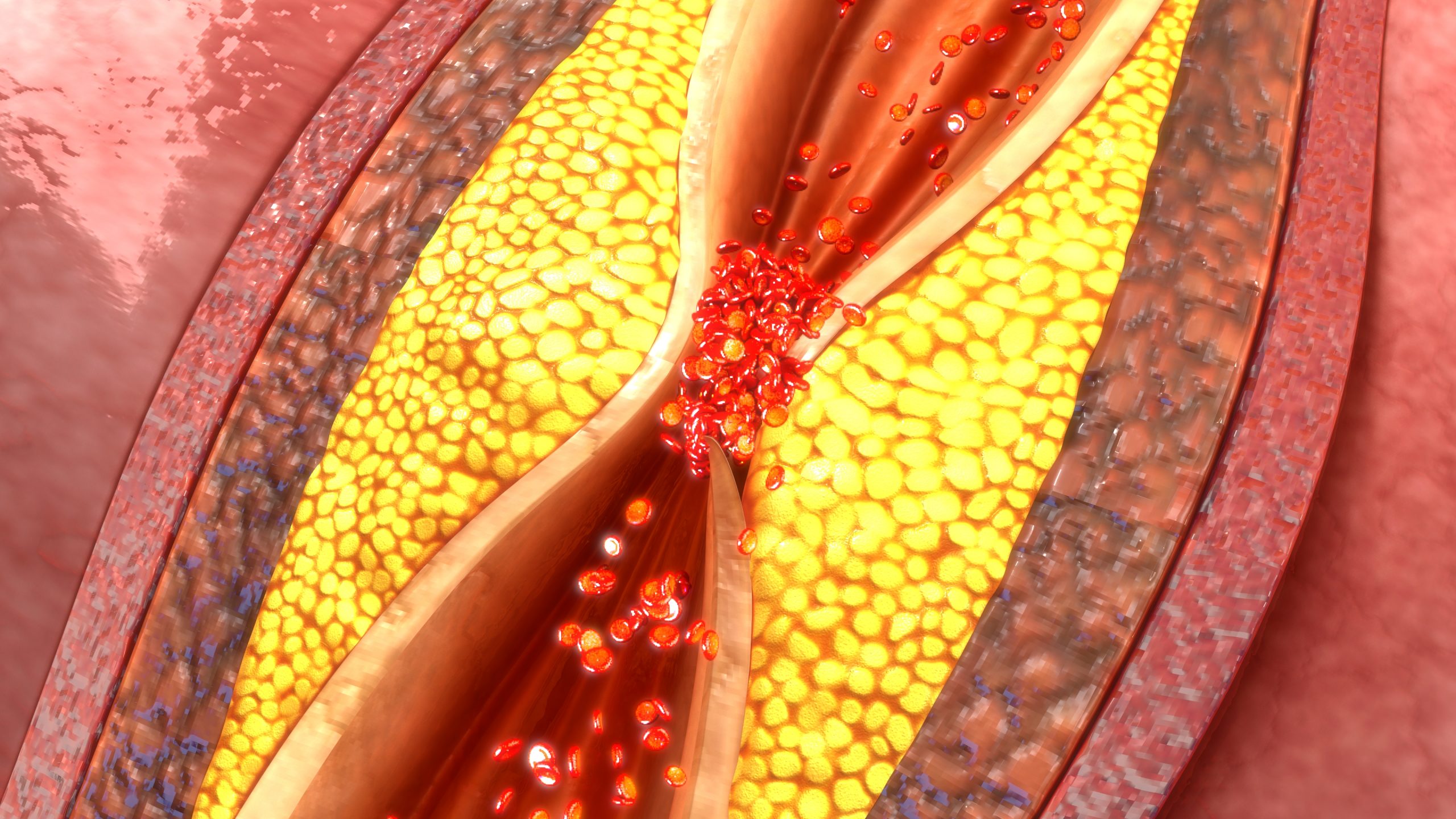
    Credit: 7activestudio / Getty Images

    Researchers at the Perelman School of Medicine at the University of Pennsylvania have developed an experimental chimeric antigen receptor regulatory T cell (CAR Treg) to target oxidized low-density lipoprotein (OxLDL) as a potential immunotherapy for coronary artery disease (CAD) driven by atherosclerosis. The preclinical findings, published in Circulation, show that redirecting regulatory T cells to suppress inflammation associated with OxLDL may reduce plaque development in the arteries.

    “Our study shows for the first time how CAR T cell technology could be used to treat the underlying cause of the most common form of heart disease, which is the leading cause of death worldwide,” said senior author Avery Posey, PhD, an assistant professor of pharmacology at UPenn. “This preclinical finding represents an important step forward for continuing to expand the impact of CAR T cell therapy to common diseases beyond cancer.”

    For their study, the researchers focused OxLDL since it is known to be a pro-inflammatory driver of plaque formation. The team then engineered human and mouse regulatory T cells to express a CAR that recognizes an oxidation-specific epitope. “OxLDL is a pro-inflammatory molecule, and that inflammation is what starts atherosclerosis,” said lead author Robert Schwab, MD, a hematology-oncology research fellow at Penn Medicine.  “The idea was, if we can get the immune system to see OxLDL and provoke an anti-inflammatory response, it would reduce inflammation and essentially stop the pathogenesis in its tracks.”

    The study drew on a trove of prior research demonstrating that OxLDL contributes to endothelial activation, cytokine release, macrophage recruitment, foam-cell formation, and plaque instability. Evidence from earlier studies has shown that antibodies or antibody fragments that block OxLDL can reduce atherosclerotic lesion size in mice and that Tregs, though they are scarce in plaque, can play a role in mitigating atherosclerosis.

    Drawing upon this information, the Penn researchers sought to engineer CD4 T cells that would express both FoxP3 and the anti-OXLD CAR via lentiviral vector delivery. This ensured “that all CAR-expressing cells adopted a regulatory phenotype and minimizing the risk of Treg instability or functional plasticity,” the researchers wrote. The engineered cells maintained Treg properties, secreted anti-inflammatory cytokines upon stimulation, and reduced foam-cell formation in vitro.

    To determine therapeutic potential of their approach, the investigators developed murine CAR Tregs incorporating mouse FoxP3 and CD28 signaling domains, which they administered to immunocompetent hyperlipidemic mouse model that approximate human OxLDL biology.

    Evaluation of the mice 12 weeks after treatment with the engineered Tregs showed they had around 70% less plaque burned compared to the control mice, while showing no disruption to their overall immune function.

    CAR T therapies have made a large impact on the treatment of cancer, much of it built on research conducted at UPenn. Both Posey and Schwab have prior experience working in cancer-focused CAR T research under the guidance of CAR T pioneer Carl June, MD.

    “Cancer, inflammation, and heart disease go hand-in-hand,” Posey said. “We’re inspired by the potential that this technology developed for cancer could have to help so many people, cancer survivors included.”

    Next steps for the Penn team will be to determine whether the CAR Tregs can eliminate established plaques rather than only slowing new plaque development. They also intend to develop a humanized atherosclerosis model to assess the safety and function of human CAR Tregs, in order to understand their persistence and long-term activity in human systems. Based on these findings, UPenn and the researchers have launched Cartio Therapeutics to advance the anti-OxLDL CAR Treg toward clinical testing.

    Artery CAR Cell Coronary Disease Early Shows success Therapy
    Share. Facebook Twitter Pinterest LinkedIn Tumblr WhatsApp Email
    Previous ArticleWhat happens to science if the ‘AI bubble’ bursts?
    Next Article Covid inquiry: UK action was “too little, too late” and led to avoidable deaths, report finds
    admin
    • Website

    Related Posts

    First-in-Human Success for Prenatal Stem Cell Therapy in Spina Bifida

    February 28, 2026

    Pressure-Driven Pathway Links Liver Congestion to Fibrosis and Cancer

    February 28, 2026

    Genetic Biomarkers to Predict Efficacy of GLP-1 Therapies Uncovered

    February 28, 2026

    Mapping the Cellular Architecture of Aging Across 21 Organs

    February 28, 2026
    Leave A Reply Cancel Reply

    Our Picks

    9 Time-Saving Kitchen Gadgets for Fall at Amazon

    September 5, 2025

    Why Exercise Is So Important For Heart Health, From An MD

    September 5, 2025

    An Engineered Protein Helps Phagocytes Gobble Up Diseased Cells

    September 5, 2025

    How To Get Rid Of Hangnails + Causes From Experts

    September 5, 2025
    • Facebook
    • Twitter
    • Pinterest
    • Instagram
    • YouTube
    • Vimeo
    Don't Miss
    Longevity

    Nautilus debuts Voyager platform in push toward next-gen proteomics

    By adminMarch 1, 20260

    Company’s new benchtop system promises a clearer view of proteins following validation at a leading…

    First-in-Human Success for Prenatal Stem Cell Therapy in Spina Bifida

    February 28, 2026

    Pressure-Driven Pathway Links Liver Congestion to Fibrosis and Cancer

    February 28, 2026

    A cellular atlas of aging comes into focus

    February 28, 2026

    Subscribe to Updates

    Get the latest creative news from SmartMag about art & design.

    About Us

    At FineGut, our mission is simple: to enhance your self-awareness when it comes to your gut health. We believe that a healthy gut is the foundation of overall well-being, and understanding the brain–gut connection can truly transform the way you live.

    Our Picks

    9 Time-Saving Kitchen Gadgets for Fall at Amazon

    September 5, 2025

    Why Exercise Is So Important For Heart Health, From An MD

    September 5, 2025

    An Engineered Protein Helps Phagocytes Gobble Up Diseased Cells

    September 5, 2025
    Gut Health

    Nautilus debuts Voyager platform in push toward next-gen proteomics

    March 1, 2026

    First-in-Human Success for Prenatal Stem Cell Therapy in Spina Bifida

    February 28, 2026

    Pressure-Driven Pathway Links Liver Congestion to Fibrosis and Cancer

    February 28, 2026
    X (Twitter) YouTube
    • Contact us
    • Privacy Policy
    • Disclaimer
    • Terms and Conditions
    © 2026 finegut.com. Designed by Pro.

    Type above and press Enter to search. Press Esc to cancel.