

- Fruit is filled with vitamins, minerals, antioxidants and fiber for immune health.
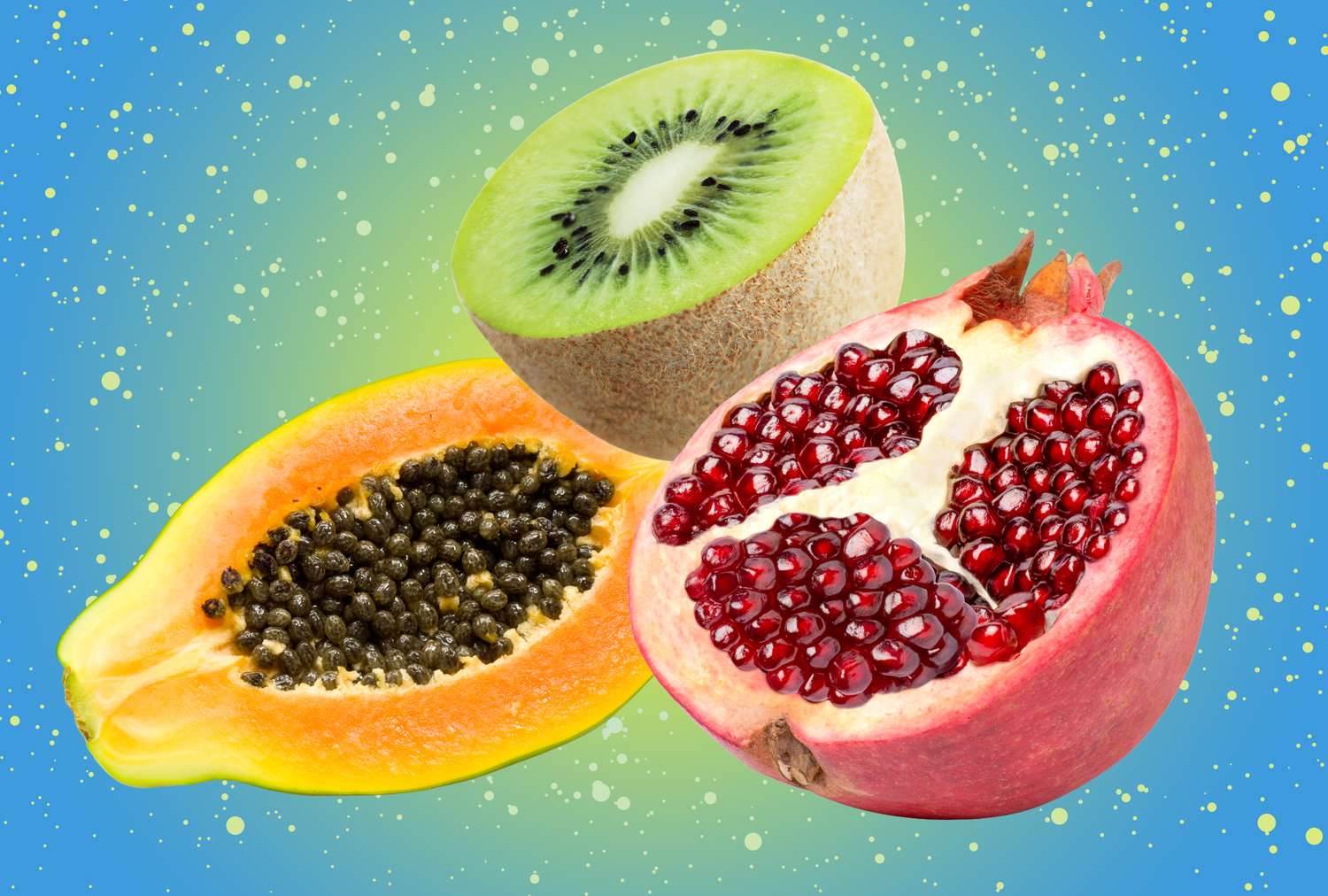
- Top choices include oranges, grapefruits, kiwis, berries, papaya and pomegranates.
- For better immune health, aim for 1½ to 2 cups of fruit daily.
Your immune system is your body’s built-in defense against infection and illness. And what you eat can make a big difference in how well it functions. That’s where fruit comes in. Fruit is packed with vitamins, minerals and antioxidants that help your immune system stay strong year-round. These nutrients help reduce oxidative stress and inflammation. This, in turn, helps keep your immune cells strong, so they can mount a more effective defense against illness-causing foreign invaders.,
While any fruit is a win for your health, some fruits are especially effective for protecting against viral infections, reducing the severity of colds or improving gut health.
What are the best fruits to support your immune system? To find out, we asked registered dietitians. Here are their top picks.
1. Oranges
Oranges are the classic fruit for immune health due to their ample vitamin C. This vitamin helps your body produce white blood cells to fight off infections, explains Lauren Manaker, M.S., RDN, LD. Just one medium orange provides about 70% of the Daily Value for vitamin C.
“But oranges don’t stop there,” adds Manaker. “They’re also a natural source of hesperidin, a flavonoid found almost exclusively in citrus fruits that may help reduce inflammation.” That’s key because inflammation and immune health are closely linked. Short-term inflammation is an essential component of the immune response, acting as the body’s first line of defense against infection or damage. Specifically, when your body experiences inflammation from an illness, like a virus or cold, it releases substances that help immune cells communicate with each other, thereby amplifying the immune response.
Looking for ways to add oranges to your day? “Add orange slices to salads for a burst of flavor and color, or snack on a fresh orange for a naturally sweet, portable treat,” recommends Manaker.
2. Grapefruit
Like oranges, grapefruits are packed with vitamin C, especially pink grapefruit. “Half a medium [pink] grapefruit provides roughly half of your daily vitamin C needs,” says Manaker. Pink grapefruit juice offers even more vitamin C, providing more than 100% of your daily needs per cup.
It’s not just grapefruit’s vitamin C that makes it a solid choice. Pink and red grapefruits contain lycopene, an antioxidant that may help reduce the risk of certain chronic diseases, explains Manaker.
Of course, you can always snack on a grapefruit. But why stop there? Toss a few sections into a salad with some fennel or beets. Or “use grapefruit juice in dressings, marinades or sparkling water for a zesty drink,” suggests Manaker.
3. Kiwifruit
Kiwis are another excellent source of vitamin C. Two kiwis deliver more than your entire daily dose of this vitamin. Research has found that one variety of kiwis, called SunGold kiwis, may even help you bounce back faster from a cold, especially if you don’t eat many fruits and vegetables to begin with. These kiwis are particularly high in vitamin C. When people with low vitamin C levels ate two SunGold kiwis daily for six weeks, their vitamin C levels increased, while their respiratory symptoms and blood markers of inflammation decreased.
Jenny Finke, M.S., RDN, recommends eating one to two kiwis a day, especially during the winter months. “Kiwis can be blended into tropical smoothies or sliced over Greek yogurt,” she says. No time to peel them? You can also eat kiwis whole, with the skin on, for an added fiber bonus.
4. Berries
Berries are a fantastic food for your gut health. If you’re wondering what that has to do with your immune system, your gut is one of your body’s main lines of defense against illness. In fact, 70% of the immune system is located in the gut, where the microbiome interacts directly with immune cells. Additionally, the gut microbiome influences the absorption of certain vitamins that support immunity, such as vitamin A.,
Berries pack abundant amounts of plant compounds linked to better gut health, called polyphenols., They’re also rich in gut-healthy fiber. How many servings should you aim for? “One cup of fresh or frozen berries most days of the week is a good, achievable amount to get maximum benefit,” says Finke. Aim for a mix of berries, such as blueberries, raspberries, strawberries and blackberries.
5. Papayas
Mary-Lauren Shelton Vise, RDN, LD, CEDS-C, recommends papaya as another fruit to support immunity. One small papaya provides more than an entire day’s worth of vitamin C and is also a good source of vitamin A. And vitamin A isn’t just about healthy vision. “Vitamin A supports the development of immune cells and maintains the integrity of mucous membranes in the eyes, nose and gut,” explains Vise. That’s good news since mucous membranes protect you from outside pathogens that can cause illness.
For extra immune support, Vise recommends adding papaya to smoothies, pancakes or salsas.
6. Pomegranates
Pomegranates come into peak season in the fall, which is just in time for the cold season, says Finke. Some research has found that pomegranates may help reduce oxidative stress. This may lower overall inflammation and support immune defense, adds Finke.
Pomegranates provide a healthy punch of fiber, vitamin C and key polyphenols for immune system health, she says. For instance, ½ cup of pomegranate arils provides 3 grams of fiber and roughly 10% of the DV for vitamin C.
Finke recommends adding pomegranate arils to savory, grain-based salads for a dash of tartness. “One of my go-tos is to add a handful of pomegranate arils to a bed of greens with quinoa, feta cheese and roasted squash for the perfect fall side salad,” she says
Our Expert Take
Adding a few servings of fruit to your day can be a simple and tasty way to support immune health. A colorful variety of fruits helps you obtain a mix of vitamins, minerals and antioxidants that your immune system needs to function at its best. While any fruit is good for your health, the best choices for immune health are oranges, grapefruits, kiwis, berries, papaya and pomegranates. How much should you eat? A good goal is about 1½ to 2 cups per day. So, toss some berries into your morning yogurt, eat an orange with your lunch or mix diced papaya into your salsa to help your immune system stay strong and resilient.
