

Fibrolamellar carcinoma (FLC) is one of the rarest and most challenging liver cancers, affecting adolescents and young adults who are otherwise healthy and lacking typical risk factors such as cirrhosis or hepatitis. With no FDA-approved therapies and limited benefit from chemotherapy or immunotherapy, patients with unresectable disease often have few meaningful options. Against this backdrop, investigators at the Johns Hopkins Kimmel Cancer Center and St. Jude Children’s Research Hospital are reporting encouraging results from the first clinical trial of a therapeutic vaccine designed specifically for FLC.
In a Phase I study published in Nature Medicine, researchers tested an experimental vaccine targeting the molecular hallmark of FLC: a DNAJB1-PRKACA fusion protein present in virtually all tumors. The trial enrolled patients aged 12 and older whose disease could not be surgically removed, many of whom had already failed prior chemotherapy. Seventy-five percent of evaluable participants experienced disease control, and three individuals achieved deep responses that investigators believe represent effective eradication of cancer.
“This was a remarkable outcome,” says co-corresponding author Mark Yarchoan, MD. “To see patients achieve such deep and lasting responses, and reach important life milestones, was incredibly encouraging.” One of the responders was a 13-year-old participant who achieved a near-complete response and continued on immunotherapy for two years.
A unique biological target for a universal vaccine
FLC offers a rare opportunity in solid tumor oncology: nearly every case is driven by the same oncogenic event. The DNAJB1-PRKACA fusion protein, generated by a chromosomal deletion, appears to be both necessary for tumorigenesis and absent from normal tissue. This makes it an ideal vaccine antigen—specific, universal, and non-self.
“What makes FLC uniquely suited for vaccine therapy is the presence of a consistent cancer driver in all patients: a fusion of the DNAJB1 and PRKACA proteins,” Yarchoan explains. “This fusion protein creates a target shared by all FLC tumors, allowing for a single, universal vaccine that can potentially be used to treat patients with this cancer.”
Because the antigen is shared, the vaccine does not have to be personalized, accelerating manufacturing and permitting earlier intervention—an important advantage for a disease that primarily affects teenagers and young adults.
A rare cancer with limited options
Approximately 500 individuals in the United States are diagnosed with FLC each year. Most present with localized but unresectable disease or metastatic spread, and the prognosis is poor when tumors cannot be removed surgically. “When most people think of liver cancer, they think of cirrhosis or hepatitis,” says lead author Marina Baretti, MD. “But for this pediatric and young adult cancer, most patients are otherwise healthy. Unfortunately, there are no FDA-approved standard treatments, and the prognosis is especially poor for those whose tumors cannot be surgically removed.”
Because of its rarity, clinical trials have historically been small and slow to set up. The biology of the disease also differs substantially from hepatocellular carcinoma and cholangiocarcinoma, meaning that standard liver cancer therapies—such as tyrosine kinase inhibitors and immunotherapy—have shown inconsistent or modest activity. This has left a critical unmet need for treatments that meaningfully alter the trajectory of the disease.
Trial design and early outcomes
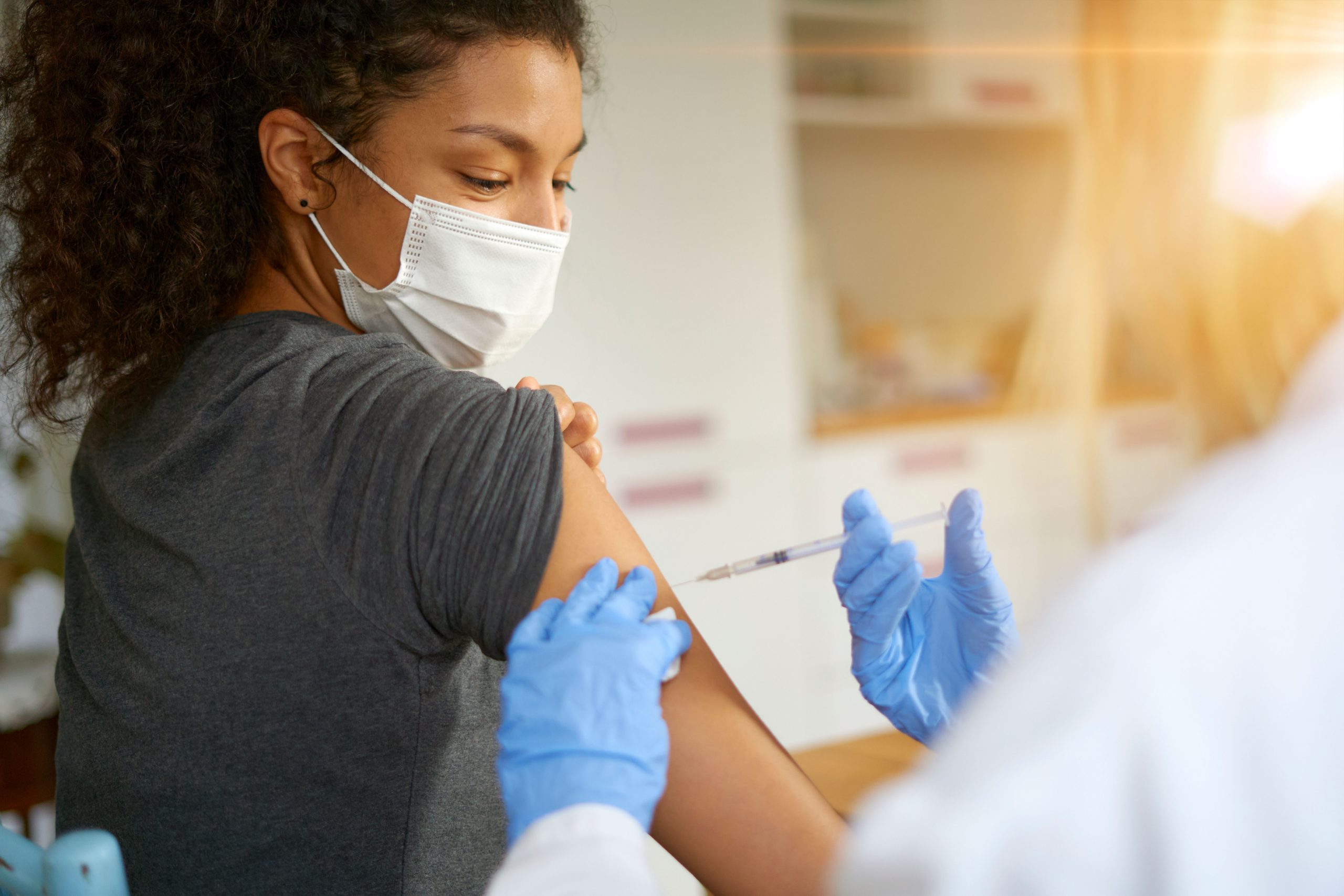
The trial enrolled 16 patients between April 2020 and September 2022, with a median age of 23. Twelve completed the priming and maintenance phases and were included in the primary analysis. The vaccine was administered intradermally during an initial 10-week priming phase followed by long-term maintenance dosing. Patients also received immune checkpoint inhibitors used in other liver cancers, with dosing schedules designed to stimulate the immune system during antigen priming and maintain activity over time.
Overall, the treatment was well-tolerated. Injection-site reactions, headaches, and fatigue were the most common adverse events. Importantly, the safety profile remained manageable even in young participants, including adolescents.
The clinical benefit extended beyond radiographic responses. In one case, vaccine-based therapy enabled an individual with severe, symptomatic disease to undergo curative surgery. Prior to receiving the vaccine, symptom-directed care had been considered; instead, the patient demonstrated a rapid response and regained eligibility for tumor removal.
Toward larger studies and broader access
The research team is now expanding the current study to allow more patients to receive the vaccine while preparing for a larger, multicenter clinical trial. If subsequent studies validate these early findings, the vaccine could become one of the first immunotherapies designed around a universal pediatric and young adult tumor antigen. The fusion-protein model used in FLC may also guide immunotherapy development in other cancers marked by shared, tumor-specific genetic drivers.
FLC remains a disease in urgent need of treatment innovation. For now, the results represent a meaningful step forward for patients and families facing a diagnosis with few proven therapies. As Yarchoan notes, seeing young patients “reach important life milestones” after responding to the therapy underscores the potential impact of a targeted vaccine strategy in a cancer with long-standing unmet clinical needs.
