

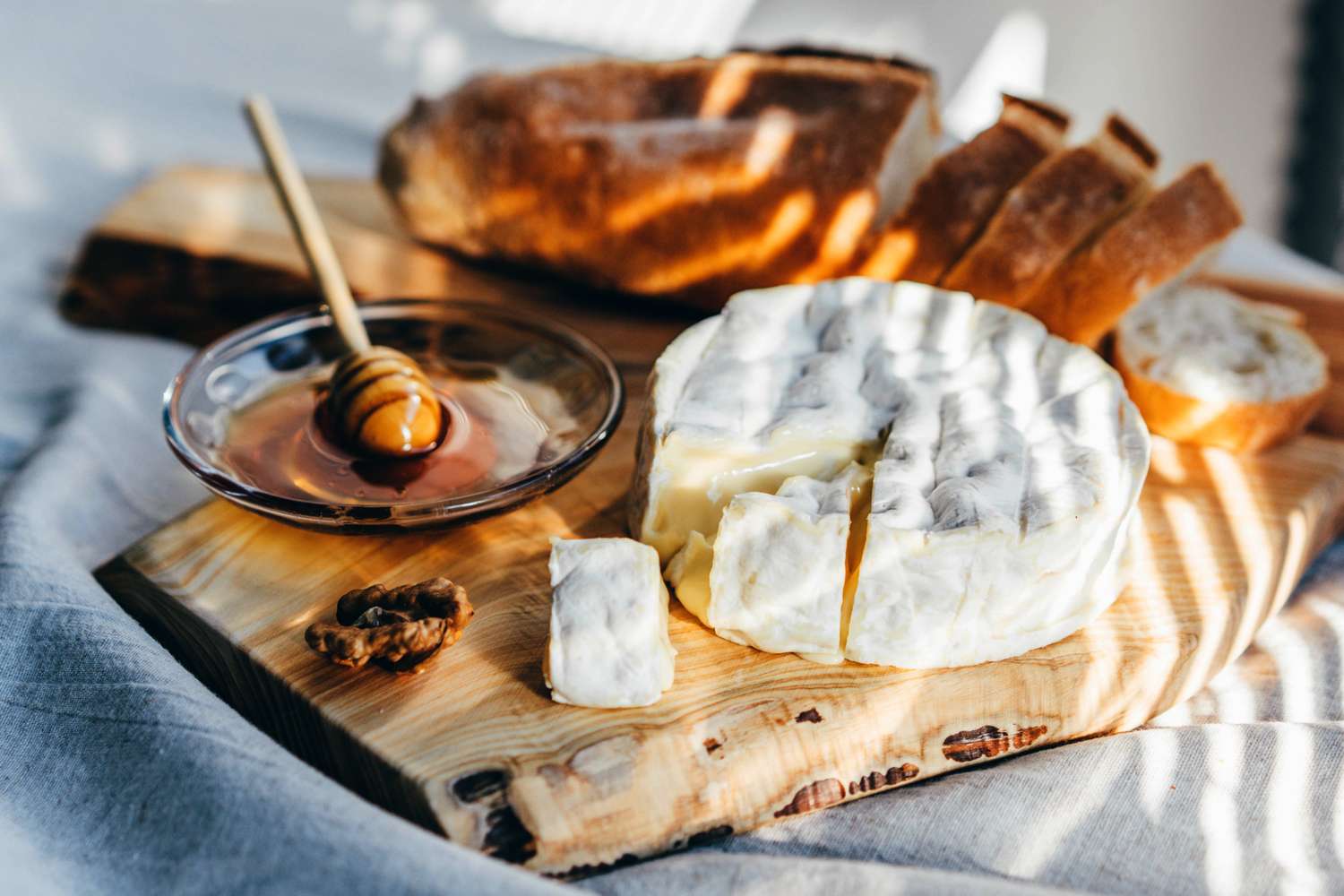
- A thoughtfully designed cheese board can shine with just one cheese.
- Pair cheese with a mix of savory and sweet accompaniments, plus a vehicle like bread or crackers.
- Be sure to select a beverage that complements the cheese, such as wine, beer or a non-alcoholic option.
A well-crafted cheese board is perfect for entertaining, providing guests a variety of tasty bites to enjoy while they mingle. From creamy Brie with crusty baguettes to a bold blue cheese with roasted almonds, the possibilities are endless.
The challenge? Multiple cheeses, charcuterie, nuts and other accoutrements can get expensive—and even then, you may end up with a lot of extra ingredients, wasting both food and money. The solution is simple: build your board around a single, standout cheese.
To help, we spoke to a handful of experts to give you the perfect formula for a single-cheese board that will impress your guests without breaking the bank.
How to Create a Great Cheese Board
A great cheese board offers guests a variety of flavors and textures on a beautifully composed platter. Each element should complement the others, creating a balanced, inviting spread.
You start by picking a cheese. Since we’re focusing on a single cheese, pick one that’s bold enough to make a statement but not so strong that timid guests will shy away. Next, add a sweet and savory element to create contrast, followed by a vehicle—like crackers or bread—to bring it all together. Finally, offer beverages to complement the board, such as a widely appreciated wine or another drink that most guests will enjoy.
Here’s a step-by-step guide to help design the perfect cheese board.
Step 1: Pick the Cheese
Whichever cheese you choose, make it the star of the show. “When you start with craftsmanship and quality, you don’t need much else to impress,” says Shannon Bonilla, ACS, CCP, a Certified Cheese Sensory Evaluator. “Think of it as focused abundance: every bite tells a story of care, skill and place.”
She recommends trying an alpine-style cheese, which are typically buttery, savory and subtly nutty. Another great option is aged cheddar cheese, which is firm with a sharp, nutty flavor. Remember, the older the cheese, the sharper the taste will be.
Lauren Delp, a charcuterie board expert, recommends French Brie or goat cheese, especially when marinated in an herb-infused extra-virgin olive oil. “Equal parts creamy and luxurious, French Brie is the quintessential soft-ripened cheese that brings effortless sophistication to any board,” she says. “When served at room temperature, it softens into a velvety, spreadable texture with a buttery richness and a clean, delicate finish that lingers gently on the palate.” This applies to most cheeses, which are best enjoyed at room temperature.
Step 2: Pick a Savory Element
Adding a savory element to a cheeseboard is crucial for balancing the palate and cutting through the richness of cheese.
The most common savory option is charcuterie—think thin slices of prosciutto or cubes of aged salami. While these are always worthwhile additions, especially for any guests that don’t like cheese, don’t stop there. Experiment with everything from pickled vegetables, herb-roasted potatoes, olives, almonds, caramelized onions or a spicy mustard. The goal is to have a few options that pair with your cheese—salty, rich, crunchy and even a little tart.
Step 3: Pick a Sweet Element
Rich, salty cheese pairs perfectly with a touch of sweetness to help provide a refreshing contrast—so a sweet element should always make an appearance on your board. Fresh fruit is always a good choice, such as grapes, slices of apple or pear, berries or dried dates. For something a little different, try chocolate, fig jam or apricot preserves. You can even drizzle some slices of cheese with a bit of honey to highlight their natural sweetness.
Step 4: Select a Vehicle
To bring together the cheese, savory and sweet elements on your board, you’ll need a vehicle like crackers or bread. Depending on your preference, you may choose something soft or crunchy. Both Delp and Bonilla recommend serving warm baguette slices, especially with soft-ripened cheeses. Crunchy crackers or toasted baguettes work well with both soft and hard cheeses by providing a sturdy, satisfying bite that complements the flavors.
If your cheese has a strong flavor, stick to a more neutral bread or cracker. For milder cheeses, consider rosemary or sea salt crisps to add a subtle savory twist.
Step 5: Pick a Wine or Other Beverage
Bonilla offers several beverage suggestions based on the cheese. For soft-ripened cheeses, try a sparkling beverage like a dry Cava or a non-alcoholic ginger kombucha. These bubbly beverages “are a natural match for these rich, creamy styles because the bubbles cut through the texture and refresh the palette.”
Nutty alpine-style cheeses pair well with drinks that have warm, roasty or toasted notes, like an ale, red rice sake or craft root beer. For aged cheddars, choose a bold beverage, like a rich Cabernet Sauvignon or a unique pineapple Italian soda.
For a French Brie, Delp recommends champagne or a crisp Chardonnay, “both of which highlight the cheese’s buttery texture and mild tang.” Non-alcoholic options include cranberry or pomegranate sparkling juice.
Cheeseboard Examples
Now that you have an idea of what to add to a cheese board, here are some examples for inspiration:
- Goat Cheese. Delp recommends serving goat cheese marinated in an herb-infused extra-virgin olive oil, which is spreadable and intensely flavorful. Pair it with fig jam and sliced pears, along with marinated olives and roasted almonds. Include a stack of warm baguette slices or sourdough flatbread crackers, and offer chilled rosé or a crisp Sauvignon Blanc, or a sparkling lemonade for a non-alcoholic option.
- Cheddar. Another excellent choice for a single-cheese board, Bonilla suggests serving aged cheddar with honey and crisp apple slices, along with pickled vegetables and sliced cured meats. Pair it with a bold red wine or a crisp Italian soda for a refreshing contrast.
- Brie. Delp suggests serving Brie with ripe figs or fresh berries, a spoonful of apricot preserves, Marcona almonds or thin slices of soppressata. Its soft, creamy texture pairs well with simple water crackers, crusty bread or more flavorful crackers. For beverages, try a sharp Chardonnay or sparkling juice.
- Alpine-Style. Cheeses like Roth Grand Cru or Alpinage Classic Raclette are buttery, savory and a bit nutty, says Bonilla. “Both are cozy, meltable nods to the winter season and the artistry of mountain-style cheesemaking,” she says. Pair alpine-style cheese with spiced cranberry relish and rustic herb-roasted potatoes, and serve with a sharp IPA or a soda like root beer.
Expert Tips
Whatever cheese you choose, serving it at room temperature is key for optimal flavor and texture, so remove it from the refrigerator about 30 minutes prior to serving. “Cold cheese hides nuance, and warmth brings it to life,” says Bonilla.
Experiment with presentation by offering different cuts, like matchsticks, triangles or irregular shards (for aged varieties). “The variety of shapes invites guests to explore and makes even a single-cheese board feel abundant and artful.”
Finally, lean into the season with touches like edible flowers, sugared cranberries or even gingersnaps to add color, texture and a hint of whimsy.
Our Expert Take
Putting together a cheeseboard for a social gathering doesn’t have to be complicated or expensive. Instead of offering endless cheeses, focus on just one—especially bold yet crowd-pleasing cheeses like aged cheddar, Brie, goat cheese or an alpine-style cheese. Cut the cheese into a variety of shapes and sizes, and round out the board with complementary savory and sweet elements, along with crackers or bread. Finally, finish it with a wine, beer or non-alcoholic pairing. This simple formula can help you create a unique and elegant cheeseboard that’s perfect for year-round entertaining.
