

A broader scientific toolkit and a stronger clinical presence signal a field moving toward real-world use.
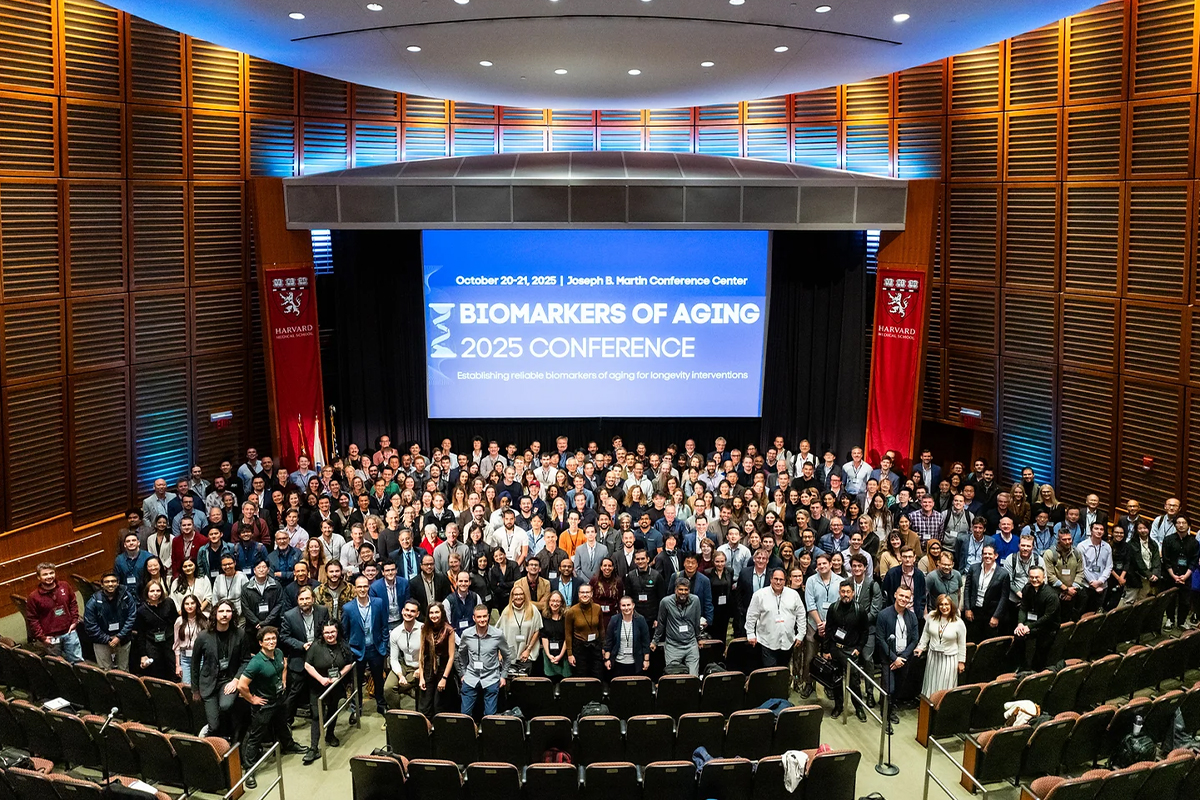
The Biomarkers of Aging Conference convened on 20–21 October 2025 at the Joseph B Martin Conference Center in Boston, bringing together researchers, clinicians and industry figures for two days of discussion on the science and utility of measuring biological age. Organized by the Biomarkers of Aging Consortium, the meeting has rapidly become a touchpoint for a field evolving from exploratory clocks toward clinically relevant tools; this year’s agenda united academic laboratories, biotech groups and policy specialists as well as a growing contingent of practicing physicians.
Across the two-day program, participants examined the widening landscape of markers, the technologies enabling their development and the translational steps required to turn exploratory science into actionable frameworks for trials and treatments. With sessions spanning mechanistic epigenetics, spatial transcriptomics and regulatory considerations, the conference demonstrated both the breadth of the field and its increasing focus on clinical adoption.
Longevity.Technology: What stood out at this year’s Biomarkers of Aging Conference wasn’t just the science – it was the sense that the field is finally knitting together the pieces required for real-world impact. The growing clinician presence, the influx of new biomarker modalities and the maturation of translational and regulatory thinking all point to a discipline moving out of its adolescence. Biomarkers are not simply academic tools; they’re becoming the scaffolding for trials, reimbursement and ultimately patient care. The momentum is unmistakable – and so is the urgency to turn innovation into standards the clinic can trust.
A field expanding in scope
The scientific program opened with a series of talks exploring molecular and cellular signatures of aging. Presentations from Wolfgang Wagner and colleagues examined clustered CpG changes and the mechanistic consequences of DNAm perturbation, with Wagner’s findings on the genomic ripple effects of targeted epigenetic editing prompting considerable discussion. Eileen Crimmins highlighted the role of social determinants in shaping epigenetic aging, while other presentations examined transcript-level errors and the biological meaning they might carry. The emphasis on mechanism – rather than predictive power alone – reflects the maturing expectations of a field contemplating regulatory scrutiny and clinical deployment.
One theme that emerged across sessions was the steady expansion of biomarker modalities. Spatial technologies, imaging-derived signatures and even dental measures were presented alongside multi-omic approaches; taken together, these modalities suggest a future in which no single clock or marker is expected to shoulder the full burden of interpretation. Guido Kroemer’s exploration of plasma ACBP as an indicator of cellular stress added a further layer of biological grounding to the discussions.
Dr Jesse Poganik, Codirector, Biomarkers of Aging Consortium, noted the change first-hand. “There were two key takeaways for me,” he told us. “First, it was great to see increased clinician presence at the conference this year. Our work surveying experts in the field after our first conference in 2023 found that increased collaboration with clinicians was essential for moving the field forward, so it is very satisfying to see that we’ve made some progress on that goal. I was especially happy that we had excellent talks from leaders in the healthy longevity medicine space such as Andrea Maier and Evelyne Bischof.
“Second, it was very interesting to see the expansion of aging biomarkers to new techniques and scientists who previously weren’t involved in the field. For instance, we had great talks and posters on spatial tools, imaging biomarkers, even dental aging biomarkers. Seeing the growth of the field in general and the conference in particular is very exciting.”
A richer toolkit for discovery
Several speakers explored technologies that are reshaping how biomarkers can be discovered, interrogated and validated. Advances in spatial transcriptomics were highlighted for their ability to tie age-related changes to cell type and microenvironment, while machine-learning approaches capable of mining intervention datasets offer a complementary strategy for identifying compounds and pathways that modulate aging signatures.
Attendee Dr Erik Jacques observed the rapid broadening of the methodological landscape. “This year’s talks highlighted how quickly the biomarker toolkit is expanding – from spatial transcriptomics to AI-driven intervention mining,“ he told us. “These technologies are opening questions we simply couldn’t access before.”
His reflections extended to the emergence of more biologically grounded metrics. “I was especially intrigued by the emergence of biomarkers that quantify specific types of cellular damage, like transcript errors. It’s a promising shift toward measurements with direct biological meaning.”

From insight to deployment
As the meeting moved into its translational sessions, attention turned to the realities of clinical deployment. Presentations on clinical utility, biopharma engagement and regulatory expectations highlighted the structural work still required to integrate aging biomarkers into trials. Discussions touched on population differences, validation standards and the importance of multi-tissue datasets for establishing robustness. In this context, Steve Horvath’s contribution on sex and ethnicity differences in epigenetic clock behaviour was particularly timely.
Industry activity is rising: companies presented work spanning reprogramming strategies, longitudinal transcriptomic atlases in rodents and approaches for integrating biomarkers into trial design. The presence of these groups signals increasing commercial confidence that biomarkers will be necessary for evaluating gerotherapeutics, shortening trial timelines and aligning interventions with measurable biological endpoints.
Policy discussions focused on the need for consistent frameworks that can accommodate rate-based measures, phenotype-driven imaging markers and multi-omic signatures; although regulatory clarity remains partial, the sector appears committed to preparing for a future in which biomarkers play a central role in demonstrating efficacy and safety.
Signals of a sector coming into its own
If biomarkers are to guide the next era of longevity therapeutics, they will need to balance mechanistic fidelity, practical usability and evidentiary rigor. Conferences like this one suggest that such alignment is beginning to emerge; the coming years will reveal how effectively these scientific and structural efforts can converge in practice.
