
Close Menu
My Blog

    Subscribe to Updates

    Get the latest creative news from FooBar about art, design and business.

    What's Hot

    Nautilus debuts Voyager platform in push toward next-gen proteomics

    March 1, 2026

    First-in-Human Success for Prenatal Stem Cell Therapy in Spina Bifida

    February 28, 2026

    Pressure-Driven Pathway Links Liver Congestion to Fibrosis and Cancer

    February 28, 2026
    Facebook X (Twitter) Instagram
    X (Twitter) YouTube
    My BlogMy Blog
    Sunday, March 1
    • Home
    • About Us
    • Healthy Living
    • DNA & Genetics
    • Podcast
    • Shop
    My Blog
    Home»DNA & Genetics»Cyanobacterial Pigments Advance Biomedicine Through Smarter Bioprocessing
    DNA & Genetics

    Cyanobacterial Pigments Advance Biomedicine Through Smarter Bioprocessing

    adminBy adminNovember 25, 2025No Comments3 Mins Read
    Facebook Twitter Pinterest LinkedIn Tumblr WhatsApp VKontakte Email
    Cyanobacterial Pigments Advance Biomedicine Through Smarter Bioprocessing
    Share
    Facebook Twitter LinkedIn Pinterest Email

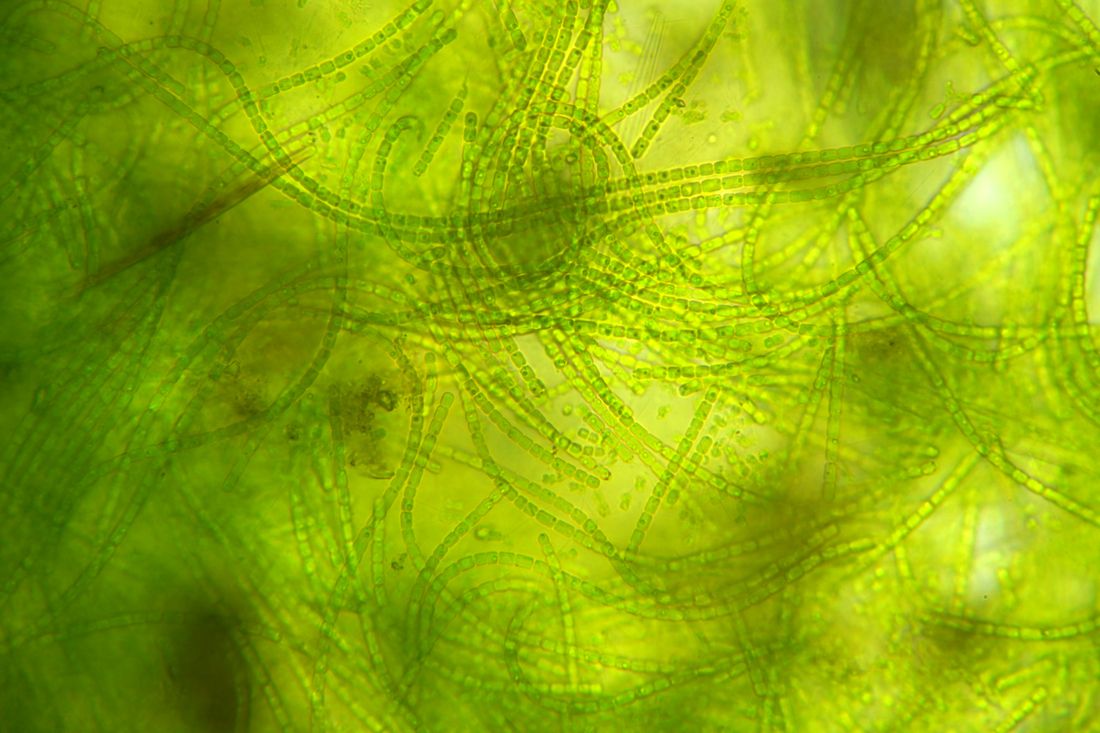
    In a recent article in Elsevier’s International Journal of Biological Macromolecules, scientists at Vignan’s Foundation for Science, Technology, and Research in India redefined the industrial potential of cyanobacteria through innovative bioprocessing strategies that boost production of phycobiliproteins (PBPs)—valuable pigments with growing biomedical and commercial demand.

    PBPs, the vibrant light-harvesting proteins responsible for cyanobacteria’s photosynthetic prowess, also fight oxidative stress and inflammation. These dual properties position them for cutting-edge applications, from photodynamic cancer therapy and wound healing to targeted drug delivery and precision bioimaging. Their natural fluorescence also powers essential research tools such as flow cytometry and multiplex immunoassays.

    Despite their promise, companies struggle to manufacture PBPs at scale. The Vignan researchers argue that smarter bioprocess engineering can unlock high-volume production without driving costs sky-high. They highlight several tactics to make that happen—starting with how cyanobacteria grow.

    By fine-tuning nutrient supply, the team reports dramatic boosts in pigment yield. Nitrogen-rich media support strong phycocyanin biosynthesis, while tailored phosphorus availability helps balance cell growth and pigment storage. The scientists also manipulate light—wavelength, intensity, and timing—to selectively amplify desired PBPs. Blue light nudges cells toward phycocyanin; red light steers them to phycoerythrin. Careful control of temperature, pH, and CO2 input keeps cells energetically efficient and productive.

    On the engineering side, next-generation photobioreactors reshape how light reaches cells. Fiber-optic illumination and LED-based systems distribute light uniformly throughout dense cultures, preventing the shading that often plagues large-scale photosynthetic growth. Microbubble aeration delivers CO2 efficiently and reduces energy use. Automated sensors now adjust environmental conditions in real time, preventing productivity losses and ensuring consistently high pigment quality.

    Artificial intelligence adds another boost. Machine learning models predict how culture conditions influence biosynthesis, accelerating optimization and minimizing costly trial-and-error experimentation. Data-guided cultivation shortens development pipelines and improves economic viability.

    Genetic engineering provides an even more powerful lever. Researchers deploy CRISPR-based edits and synthetic biology tools to strengthen pigment pathways, tailor fluorescence spectra, and increase strain resilience under industrial stress. Some labs now reconstruct pigment synthesis pathways in fast-growing microbes like E. coli, which dramatically cuts production time.

    Despite all of the advances in producing PBPs, obstacles remain. Extraction and purification still demand considerable labor and cost, and harsh processing steps can degrade pigment bioactivity. Many cyanobacterial strains grow slowly and require precise conditions, creating challenges when scaling up. Regulatory hurdles surrounding engineered strains also influence commercialization timelines.

    Still, momentum continues to build. As industries seek sustainable alternatives to synthetic dyes and petrochemical-based materials, PBPs stand out for their renewability and superior biological performance. The Vignan team urges deeper partnerships between academic labs and manufacturers to convert laboratory advances into real-world production.

    By combining smarter bioreactors, engineered biology, and AI-driven process control, scientists can transform cyanobacteria into efficient pigment-producing platforms. These colorful proteins may soon shift from niche specialty products to mainstream essentials, driving greener bioprocessing and beyond.

    advance Biomedicine bioprocessing cyanobacterial Pigments smarter
    Share. Facebook Twitter Pinterest LinkedIn Tumblr WhatsApp Email
    Previous ArticleIs Sushi Good for Cholesterol? A Heart-Healthy Guide
    Next Article I'm Hooked On This Healthy Aging Serum (& My 55-Year-Old Mom Loves It, Too)
    admin
    • Website

    Related Posts

    A Video Report from AGBT

    February 27, 2026

    Novo Nordisk, Vivtex Ink Up to $2.1B Deal to Develop Oral Biologics for Metabolic Conditions

    February 27, 2026

    Increasing Rice Yields with Gene-Informed Selective Breeding

    February 27, 2026

    Mutant p53 Selective Reactivation Demonstrated in Advanced Solid Tumors

    February 27, 2026
    Leave A Reply Cancel Reply

    Our Picks

    9 Time-Saving Kitchen Gadgets for Fall at Amazon

    September 5, 2025

    Why Exercise Is So Important For Heart Health, From An MD

    September 5, 2025

    An Engineered Protein Helps Phagocytes Gobble Up Diseased Cells

    September 5, 2025

    How To Get Rid Of Hangnails + Causes From Experts

    September 5, 2025
    • Facebook
    • Twitter
    • Pinterest
    • Instagram
    • YouTube
    • Vimeo
    Don't Miss
    Longevity

    Nautilus debuts Voyager platform in push toward next-gen proteomics

    By adminMarch 1, 20260

    Company’s new benchtop system promises a clearer view of proteins following validation at a leading…

    First-in-Human Success for Prenatal Stem Cell Therapy in Spina Bifida

    February 28, 2026

    Pressure-Driven Pathway Links Liver Congestion to Fibrosis and Cancer

    February 28, 2026

    A cellular atlas of aging comes into focus

    February 28, 2026

    Subscribe to Updates

    Get the latest creative news from SmartMag about art & design.

    About Us

    At FineGut, our mission is simple: to enhance your self-awareness when it comes to your gut health. We believe that a healthy gut is the foundation of overall well-being, and understanding the brain–gut connection can truly transform the way you live.

    Our Picks

    9 Time-Saving Kitchen Gadgets for Fall at Amazon

    September 5, 2025

    Why Exercise Is So Important For Heart Health, From An MD

    September 5, 2025

    An Engineered Protein Helps Phagocytes Gobble Up Diseased Cells

    September 5, 2025
    Gut Health

    Nautilus debuts Voyager platform in push toward next-gen proteomics

    March 1, 2026

    First-in-Human Success for Prenatal Stem Cell Therapy in Spina Bifida

    February 28, 2026

    Pressure-Driven Pathway Links Liver Congestion to Fibrosis and Cancer

    February 28, 2026
    X (Twitter) YouTube
    • Contact us
    • Privacy Policy
    • Disclaimer
    • Terms and Conditions
    © 2026 finegut.com. Designed by Pro.

    Type above and press Enter to search. Press Esc to cancel.