
Close Menu
My Blog

    Subscribe to Updates

    Get the latest creative news from FooBar about art, design and business.

    What's Hot

    Nautilus debuts Voyager platform in push toward next-gen proteomics

    March 1, 2026

    First-in-Human Success for Prenatal Stem Cell Therapy in Spina Bifida

    February 28, 2026

    Pressure-Driven Pathway Links Liver Congestion to Fibrosis and Cancer

    February 28, 2026
    Facebook X (Twitter) Instagram
    X (Twitter) YouTube
    My BlogMy Blog
    Sunday, March 1
    • Home
    • About Us
    • Healthy Living
    • DNA & Genetics
    • Podcast
    • Shop
    My Blog
    Home»Microbiome»Heart Disease in Long-Term Cancer Survivors Linked to Usual CV Risk Factors
    Microbiome

    Heart Disease in Long-Term Cancer Survivors Linked to Usual CV Risk Factors

    adminBy adminNovember 26, 2025No Comments3 Mins Read
    Facebook Twitter Pinterest LinkedIn Tumblr WhatsApp VKontakte Email
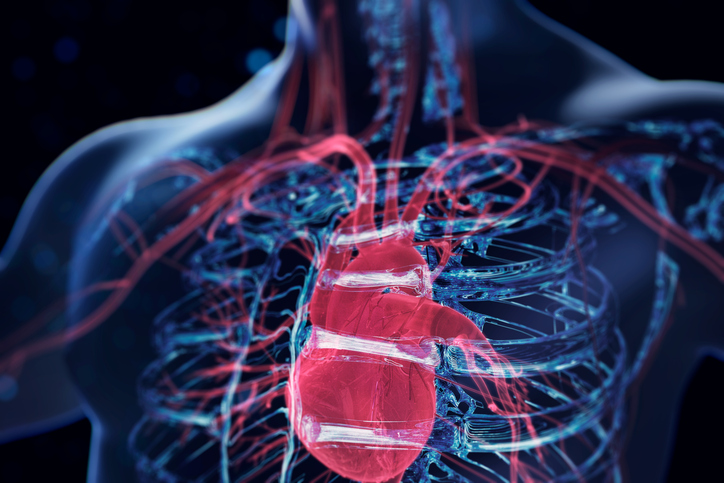
    Human heart
    Share
    Facebook Twitter LinkedIn Pinterest Email

    Credit: Yuichiro Chino/Getty Images

    Are cancer survivors more likely to get heart disease? Certain cancer drugs can cause cardiac side effects, but when patients get past that, what’s their heart disease risk? A new study from researchers at Yale suggests that cardiovascular disease in long-term cancer survivors is mainly due to the usual risk factors and not strongly influenced by cancer treatment. “Given the limited impact of cancer-specific factors,” the authors write, “cancer-agnostic risk prediction may be adequate to predict individual cardiovascular risk.”

    Cardiovascular disease, which is the leading cause of death worldwide, is also the leading cause of noncancer mortality in long-term cancer survivors. But this study found, “Among older long-term survivors of breast, prostate, colon, and rectal cancer, late cardiovascular disease (5–15 years post-diagnosis) was primarily driven by age, prior cardiovascular events, and comorbidities—not by cancer treatments or tumor characteristics,” Michaela Dinan, PhD, told Inside Precision Medicine. 

    Dinan is senior author of the study, a professor of epidemiology in the Yale School of Public Health, and Associate Cancer Center Director for Cancer Research Training and Education at the Yale Cancer Center.  

    The study included 95,100 survivors with a mean age of 74 years at diagnosis. Late heart disease occurred in 23.2% of survivors. Older age, comorbidities, and prior cardiovascular disease were associated with a higher risk of developing heart disease sooner. Cancer treatment-related factors were not associated with higher risk, except for those treated for stage 3 breast cancer or radiation plus androgen deprivation therapy for prostate cancer.

    Breast, prostate, colon, and rectal cancer are four of the most common types of cancer. This study helps guide risk models for predicting which cancer patients are at highest risk of later cardiovascular disease, a key factor in precision oncology care, particularly as an increasing number of younger people develop the disease. Heart conditions covered by the study included myocardial infarction, stroke, congestive heart failure, or cardiomyopathy. In this study, the high-risk group had a three- to fourfold higher risk of sooner heart disease compared to those in the low-risk group.

    This report appears this month in the Journal of the American Cancer Institute. The lead author is Sarah J. Westvold, of the Yale Cancer Outcomes, Effectiveness, Public Policy and Effectiveness Research Center. The retrospective research used data from SEER-Medicare, a linked cancer registry and claims database used in U.S.-based population-based studies of cancer.

    “It is well-established that some cancer treatments are associated with cardiovascular risks or toxicity. However, what our study suggests is that specifically in older patients that survive 5+ years without evidence of any CVD, that for this population—the cancer treatment they received no longer appears to be a major driver of their overall cardiovascular risk,” added Dinan.

    Future areas of research she listed are: How do these findings apply to younger survivors or those treated more aggressively? What is the role of lifestyle factors and medications (e.g., statins, antihypertensives) in modifying risk? Whether integrated survivorship care models improve cardiovascular outcomes? How do social determinants of health influence long-term cardiovascular risk?

    The rise of cancer among young people has become an increasing priority. Called early-onset, or young, cancer, these cases are when diagnosis happens in adults between the ages of 18 and 49. This trend is particularly worrying because until now, age has been a top risk factor for cancer. Between 1990 and 2019, the global incidence of early-onset cancer increased by 79.1% and the number of early-onset cancer deaths increased by 27.7%.

    Cancer Disease Factors Heart linked LongTerm Risk Survivors Usual
    Share. Facebook Twitter Pinterest LinkedIn Tumblr WhatsApp Email
    Previous ArticleRecreating the Gut: Inside the TIMOTHI Model
    Next Article A distinctive human genetic lineage persisted in central Argentina for 8,500 years
    admin
    • Website

    Related Posts

    First-in-Human Success for Prenatal Stem Cell Therapy in Spina Bifida

    February 28, 2026

    Pressure-Driven Pathway Links Liver Congestion to Fibrosis and Cancer

    February 28, 2026

    Genetic Biomarkers to Predict Efficacy of GLP-1 Therapies Uncovered

    February 28, 2026

    Mapping the Cellular Architecture of Aging Across 21 Organs

    February 28, 2026
    Leave A Reply Cancel Reply

    Our Picks

    9 Time-Saving Kitchen Gadgets for Fall at Amazon

    September 5, 2025

    Why Exercise Is So Important For Heart Health, From An MD

    September 5, 2025

    An Engineered Protein Helps Phagocytes Gobble Up Diseased Cells

    September 5, 2025

    How To Get Rid Of Hangnails + Causes From Experts

    September 5, 2025
    • Facebook
    • Twitter
    • Pinterest
    • Instagram
    • YouTube
    • Vimeo
    Don't Miss
    Longevity

    Nautilus debuts Voyager platform in push toward next-gen proteomics

    By adminMarch 1, 20260

    Company’s new benchtop system promises a clearer view of proteins following validation at a leading…

    First-in-Human Success for Prenatal Stem Cell Therapy in Spina Bifida

    February 28, 2026

    Pressure-Driven Pathway Links Liver Congestion to Fibrosis and Cancer

    February 28, 2026

    A cellular atlas of aging comes into focus

    February 28, 2026

    Subscribe to Updates

    Get the latest creative news from SmartMag about art & design.

    About Us

    At FineGut, our mission is simple: to enhance your self-awareness when it comes to your gut health. We believe that a healthy gut is the foundation of overall well-being, and understanding the brain–gut connection can truly transform the way you live.

    Our Picks

    9 Time-Saving Kitchen Gadgets for Fall at Amazon

    September 5, 2025

    Why Exercise Is So Important For Heart Health, From An MD

    September 5, 2025

    An Engineered Protein Helps Phagocytes Gobble Up Diseased Cells

    September 5, 2025
    Gut Health

    Nautilus debuts Voyager platform in push toward next-gen proteomics

    March 1, 2026

    First-in-Human Success for Prenatal Stem Cell Therapy in Spina Bifida

    February 28, 2026

    Pressure-Driven Pathway Links Liver Congestion to Fibrosis and Cancer

    February 28, 2026
    X (Twitter) YouTube
    • Contact us
    • Privacy Policy
    • Disclaimer
    • Terms and Conditions
    © 2026 finegut.com. Designed by Pro.

    Type above and press Enter to search. Press Esc to cancel.