


As global policymakers and healthcare advisers move to curb ultra-processed foods (UPFs), the UK medical journal The Lancet has published a three-part series outlining policy recommendations to regulate and reduce these products, underscoring that education and consumer-focused behavioral shifts are still insufficient to address the public health threat.
“This rise in UPFs is driven by powerful global corporations who employ sophisticated political tactics to protect and maximize profits,” stress The Lancet authors. “Deteriorating diets are an urgent public health threat that requires coordinated policies and advocacy to regulate and reduce UPFs and improve access to fresh and minimally processed foods.”
Challenging the journal series, medical and nutrition experts have criticized the reports’ reliance on the popular Nova system to classify foods based on their level of processing, which was developed by one of the Lancet series’ co-authors.
They argue that this processing-based framework is oversimplified because it broadly groups together industrial foods, urging regulators to instead consider the specific nutritional profiles and metabolic impacts of individual products.
“We agree with the Lancet series that our food system — and the influence of food industry corporations — is the root of the chronic disease crisis facing our country. Mass-market foods high in refined carbohydrates and added sugars have displaced whole, nutrient-rich foods and Americans are paying the price with their health,” says Dr. Bret Scher, medical director at the US-based Coalition for Metabolic Health.
“Some policy ideas raised in the Lancet series could be powerful when aligned with metabolic science. Front-of-package warnings — aimed specifically at refined carbs — could help consumers make healthier choices. Updating US dietary guidelines to limit the intake of refined carbs and encourage a broader range of whole foods would significantly improve the nutritional quality of school meals and other public food programs.”
Weight on the Nova system
The Coalition for Metabolic Health also challenges The Lancet’s UPF warning.
“Where the Lancet series falls short is in the framework it uses to identify UPFs. It puts enormous weight on the Nova classification system, which sorts foods by the extent of industrial processing rather than by what directly affects health — how foods impact blood sugar, insulin, weight gain, and long-term metabolic function,” says Scher.
He argues that while food processing plays a role, it alone does not determine health outcomes. “The strongest clinical evidence points to refined carbs and added sugars — staples of many UPFs — as the true drivers of obesity, diabetes, and other metabolic diseases.”
“Nova can be a helpful starting point, but it needs substantial refinement before it should be used to guide food policy,” Scher underscores. “For instance, Nova can misclassify foods in ways that mislead consumers and policymakers. A homemade brownie, which can be just as harmful to health as a packaged dessert, avoids the ultra-processed label under Nova. Meanwhile, sparkling water is designated as ultra-processed.”
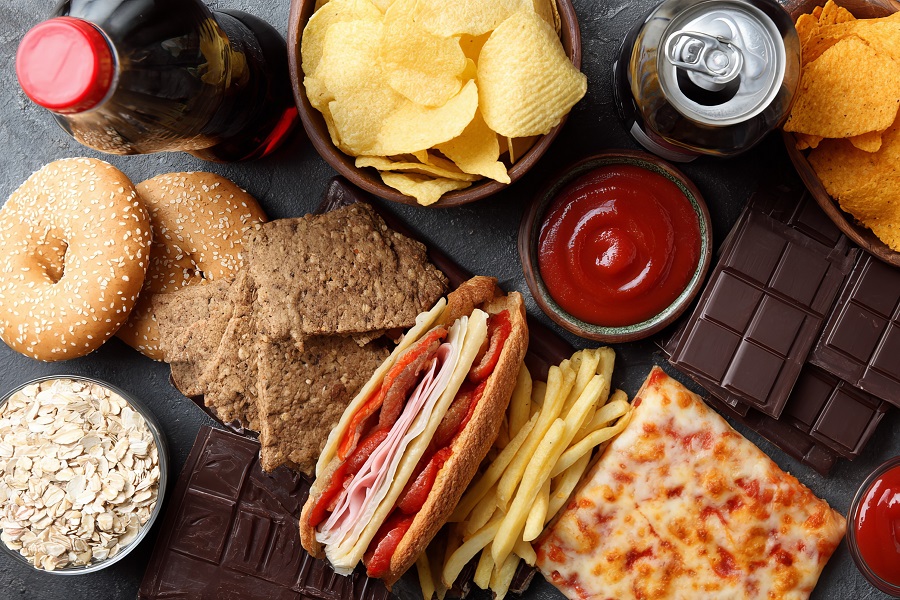 Medical and nutrition experts criticize the reports’ reliance on the popular Nova system that classifies foods based on their level of processing.“Nutrition guidance should be grounded in robust clinical science, not oversimplified frameworks that can lump together foods with very different effects on metabolic health. A more impactful and evidence-based approach would focus on refined carbs and added sugars.”
The British Nutrition Foundation echoes this statement, commenting: “While research continues, we believe action could be focused on reducing consumption of foods that are high in fat, salt, and sugar…until we understand more about mechanisms behind the associations between UPFs and health outcomes.”
“The Lancet series is critical of the global food industry. We work in collaboration with the food industry, because we believe that working with transparency, integrity, and scientific evidence with the people who make and sell our food is an effective translatable route to sustainable positive change in the food environment at scale and at pace.”
Sara Lamonaca, director of Consumer Information in Nutrition & Health at the industry group FoodDrinkEurope, adds: “If a meaty pasta sauce or a vegetable preserve can be branded as ‘ultra-processed’ and thus ‘bad,’ we’ve lost the plot.”
“These affordable, nutritious foods help people eat better, yet to The Lancet, just one ingredient lands them on a blacklist. The UPF label confuses consumers and experts alike and is not a suitable basis for public health policy.”
In August, the American Heart Association similarly stressed that guidelines should focus more on discouraging consumers against nutrient-poor UPFs rather than promoting blanket restrictions for all of these foods.
Three-part series summary
The Lancet series urges government action to reduce UPF consumption, while envisioning a food system that emphasizes local food producers, preserves cultural foods, and economically benefits communities.
The three papers also point to a growing body of evidence about the global increase in “deteriorating” diets high in these foods and confirm their link with many non-communicable diseases.
The first paper in the three-part Lancet series, uses reviews and analyses to assess three hypotheses about UPFs. It flags evidence that UPFs have displaced long-established dietary patterns and are escalating the global burden of multiple diet-related chronic diseases.
 The Lancet authors suggest that policies similar to historical tobacco control efforts are necessary to curb UPFs globally.The second paper proposes government policies to halt the global rise of UPFs, which the authors argue are displacing healthier diets and causing poor health outcomes. Current policies, largely focused on reducing fat, sugar, and sodium — still high among products marketed as “healthy” — must be strengthened and expanded across four key domains: UPFs, food environments, manufacturers/retailers, and supply chains.
At the same time, the authors examine measures to protect and incentivize diets based on fresh foods, particularly for low-income households. They emphasize that all countries must tailor their policy priorities to their specific national circumstances.
The third paper in this series suggests that policies similar to historical tobacco control efforts are necessary to curb UPFs globally. It identifies high profitability of UPF sales as fueling the spread of unhealthy diets flagging coordinated corporate political activities — including lobbying, infiltrating governments, and manufacturing scientific doubt — as the main barrier to beneficial policy changes.
The paper proposes a dual strategy: reducing the food and beverage industry’s power by disrupting its business model and implementing conflict-of-interest safeguards, while mobilizing a global public health response through advocacy and capacity building to support the transition toward low-UPF diets.
“A coordinated, well resourced global response is essential — one that confronts corporate power, reclaims public policy space, and restructures food systems to prioritize health, equity, and sustainability over corporate profit,” stress the authors.
