
Close Menu
My Blog

    Subscribe to Updates

    Get the latest creative news from FooBar about art, design and business.

    What's Hot

    Nautilus debuts Voyager platform in push toward next-gen proteomics

    March 1, 2026

    First-in-Human Success for Prenatal Stem Cell Therapy in Spina Bifida

    February 28, 2026

    Pressure-Driven Pathway Links Liver Congestion to Fibrosis and Cancer

    February 28, 2026
    Facebook X (Twitter) Instagram
    X (Twitter) YouTube
    My BlogMy Blog
    Sunday, March 1
    • Home
    • About Us
    • Healthy Living
    • DNA & Genetics
    • Podcast
    • Shop
    My Blog
    Home»Longevity»NewLimit ‘close’ to clinic-ready epigenetic reprogramming therapy
    Longevity

    NewLimit ‘close’ to clinic-ready epigenetic reprogramming therapy

    adminBy adminNovember 28, 2025No Comments3 Mins Read
    Facebook Twitter Pinterest LinkedIn Tumblr WhatsApp VKontakte Email
    NewLimit 'close' to clinic-ready epigenetic reprogramming therapy
    Share
    Facebook Twitter LinkedIn Pinterest Email

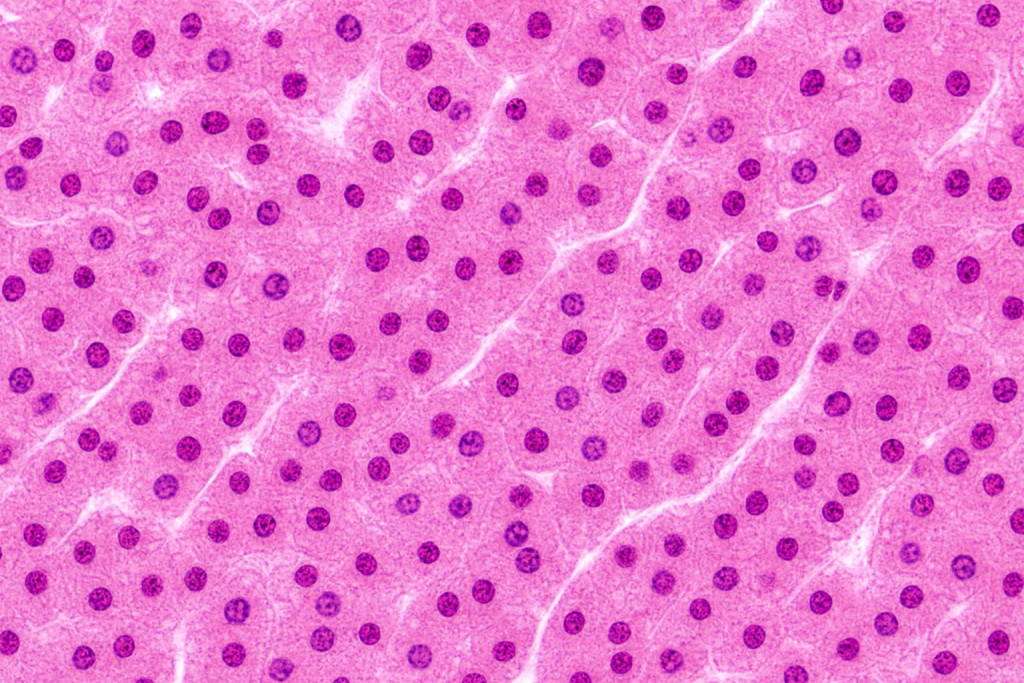
    Liver rejuvenation program produces a ‘lead payload’ as biotech begins its journey towards human clinical trials.

    After several years of development, longevity biotech NewLimit claims it is nearing its first “clinic-bound” epigenetic reprogramming medicine – a therapeutic payload designed to restore youthful function in hepatocytes (liver cells). In a recent update, head of research Jacob C Kimmel said the company plans to advance its candidate into human clinical studies in the next few years.

    Co-founded by Coinbase CEO Brian Armstrong, NewLimit was created to develop medicines that increase the number of healthy years in human life by targeting aging itself rather than treating individual diseases in isolation. Comparable to the likes of Altos Labs and Life Biosciences, the company’s scientific strategy is built around epigenetic reprogramming, an approach that seeks to reset the gene-control systems inside cells that deteriorate with age.

    As epigenetic regulation breaks down over time, cells lose their specialized functions and become more susceptible to disease. By identifying combinations of transcription factors capable of restoring youthful gene-expression patterns, NewLimit aims to reverse these changes and recover lost cellular function. The company’s long-term objective is to build a portfolio of interventions that address the biological mechanisms of aging directly, with the potential to affect multiple age-related diseases at once.

    Over the past year, NewLimit has moved from broad discovery into late-stage preclinical engineering for its lead liver program. The company says it has identified more than 20 transcription factor sets that restore youthful phenotypes in aged hepatocytes, drawn from a cumulative testing effort of more than 3,000 transcription factor combinations across multiple programs.

    Kimmel revealed that, in September, one lead payload was selected for progression into advanced development, triggering a formal lead-optimization campaign centered on mRNA engineering. The optimized liver product is now being evaluated across a range of preclinical models as it moves toward formal development.

    In October, the company also validated two additional payloads that emerged from in vivo hepatocyte screens, both of which demonstrated the ability to restore youthful resilience in aged liver cells. In diet-induced injury models, these payloads significantly reduced circulating biomarkers of liver damage, suggesting that treated hepatocytes were more resistant to stress.

    “We’ve continued to discover new payloads like this month after month,” said Kimmel. “These results give us confidence that our engine can produce more and more discoveries over time.”

    The liver is not NewLimit’s only area of focus, and it has also made progress programs targeting the immune system and endothelial cells, which line blood vessels and play a critical role in tissue nourishment and repair. In its immune program, the company has generated transcription factor payloads that rejuvenate aged human T cells, while its early experiments in endothelial cells now serve as the foundation for future discovery efforts in vascular aging.

    Earlier this year, NewLimit raised $130 million in a Series B funding round, and recently followed that up with an additional $45 million raise from Eli Lilly and Company, Duke Management Co, Section 32, and others, reportedly valuing the company at $1.62 billion. Having previously secured a $40 million Series A and an initial $110 million founding investment, the startup has one of the largest war chests in the longevity biotechnology sector.

    clinicready close Epigenetic NewLimit reprogramming Therapy
    Share. Facebook Twitter Pinterest LinkedIn Tumblr WhatsApp Email
    Previous Article5+ No-Added-Sugar Dessert Recipes to Help Reduce Inflammation
    Next Article NSD2 targeting reverses plasticity and drug resistance in prostate cancer
    admin
    • Website

    Related Posts

    Nautilus debuts Voyager platform in push toward next-gen proteomics

    March 1, 2026

    First-in-Human Success for Prenatal Stem Cell Therapy in Spina Bifida

    February 28, 2026

    A cellular atlas of aging comes into focus

    February 28, 2026

    Measuring intrinsic capacity at scale

    February 28, 2026
    Leave A Reply Cancel Reply

    Our Picks

    9 Time-Saving Kitchen Gadgets for Fall at Amazon

    September 5, 2025

    Why Exercise Is So Important For Heart Health, From An MD

    September 5, 2025

    An Engineered Protein Helps Phagocytes Gobble Up Diseased Cells

    September 5, 2025

    How To Get Rid Of Hangnails + Causes From Experts

    September 5, 2025
    • Facebook
    • Twitter
    • Pinterest
    • Instagram
    • YouTube
    • Vimeo
    Don't Miss
    Longevity

    Nautilus debuts Voyager platform in push toward next-gen proteomics

    By adminMarch 1, 20260

    Company’s new benchtop system promises a clearer view of proteins following validation at a leading…

    First-in-Human Success for Prenatal Stem Cell Therapy in Spina Bifida

    February 28, 2026

    Pressure-Driven Pathway Links Liver Congestion to Fibrosis and Cancer

    February 28, 2026

    A cellular atlas of aging comes into focus

    February 28, 2026

    Subscribe to Updates

    Get the latest creative news from SmartMag about art & design.

    About Us

    At FineGut, our mission is simple: to enhance your self-awareness when it comes to your gut health. We believe that a healthy gut is the foundation of overall well-being, and understanding the brain–gut connection can truly transform the way you live.

    Our Picks

    9 Time-Saving Kitchen Gadgets for Fall at Amazon

    September 5, 2025

    Why Exercise Is So Important For Heart Health, From An MD

    September 5, 2025

    An Engineered Protein Helps Phagocytes Gobble Up Diseased Cells

    September 5, 2025
    Gut Health

    Nautilus debuts Voyager platform in push toward next-gen proteomics

    March 1, 2026

    First-in-Human Success for Prenatal Stem Cell Therapy in Spina Bifida

    February 28, 2026

    Pressure-Driven Pathway Links Liver Congestion to Fibrosis and Cancer

    February 28, 2026
    X (Twitter) YouTube
    • Contact us
    • Privacy Policy
    • Disclaimer
    • Terms and Conditions
    © 2026 finegut.com. Designed by Pro.

    Type above and press Enter to search. Press Esc to cancel.