

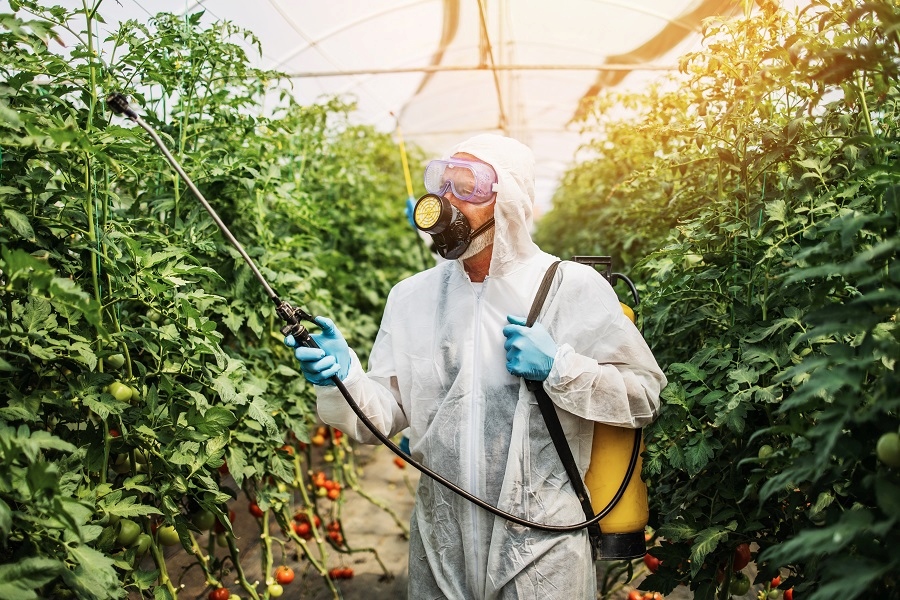
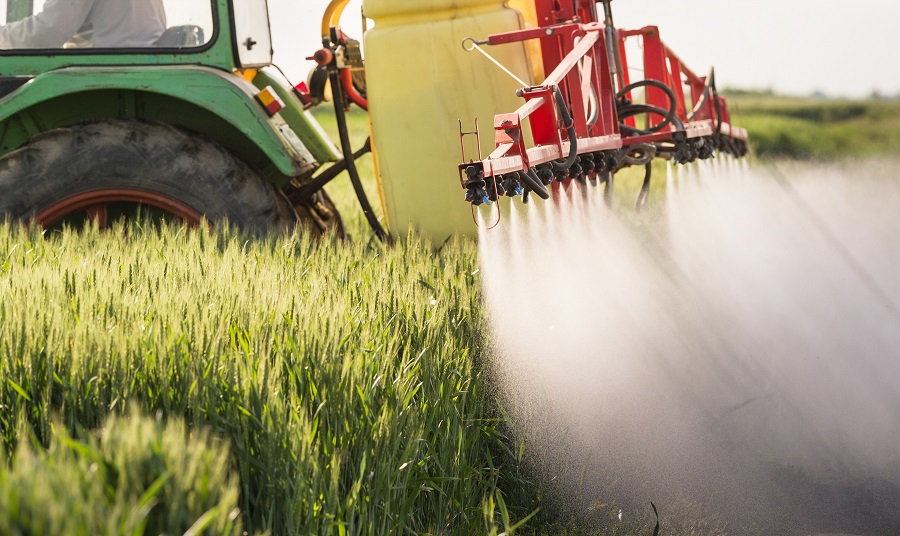
In a large-scale laboratory study at the University of Cambridge, UK, scientists screened human-made chemicals to identify 168 compounds that are toxic to “good bacteria” found in the gut. These include pesticides such as herbicides and insecticides that are sprayed onto food crops, as well as industrial chemicals used in flame retardants and plastics.
These compounds restrict the growth of gut bacteria studied for their properties in maintaining health, the study highlights. Previously believed to have no effect on bacteria, most of these chemicals are likely to enter the body through food, water, and environmental exposure.
Because bacteria can alter their functions when resisting chemical pollutants, some may become resistant to antibiotics like ciprofloxacin. In the human gut, this makes infections more difficult to treat.
Based on these data insights, the researchers at the UK University of Cambridge’s MRC Toxicology Unit have created a machine learning model to predict if industrial chemicals — either already in use or in development — will be harmful to human gut bacteria.
“We’ve found that many chemicals designed to act only on one type of target, say insects or fungi, also affect gut bacteria,” says first author Dr. Indra Roux.
“We were surprised that some of these chemicals had such strong effects. For example, many industrial chemicals like flame retardants and plasticizers — that we are regularly in contact with — weren’t thought to affect living organisms at all, but they do.”
Professor Kiran Patil, senior author of the study, adds: “The real power of this large-scale study is that we now have the data to predict the effects of new chemicals, with the aim of moving to a future where new chemicals are safe by design.”
Zoning in on chemical contaminants
The human gut microbiome comprises approximately 4,500 different types of bacteria that work synergistically to support bodily processes, according to the researchers. From the start of life, gut health is linked to a broad range of health functions, including digestion, weight management, immunity, and mental health.
Published in the journal Nature Microbiology along with its new machine learning model, the trial examined the effect of 1,076 chemical contaminants on 22 species of gut bacteria in a laboratory setting.
Regular chemical safety assessments do not factor in the human gut microbiome because chemicals are formulated to act on specific targets — for instance, insecticides should target insects.
There is still limited information about the direct effects of environmental chemicals on the gut microbiome and health.
There is still limited information about the direct effects of environmental chemicals on the gut microbiome and health.
The researchers say it is likely human gut bacteria are regularly exposed to the chemicals tested in the study, but note that the exact concentrations reaching the gut are unknown. Future studies monitoring whole-body exposure are necessary to fully assess that risk.
“Safety assessments of new chemicals for human use must ensure they are also safe for our gut bacteria, which could be exposed to the chemicals through our food and water,” urges co-author Dr. Stephan Kamrad.
Patil adds: “Now we’ve started discovering these interactions in a laboratory setting, it’s important to start collecting more real-world chemical exposure data, to see if there are similar effects in our bodies.”
For now, the researchers suggest the best way to avoid exposure to chemical pollutants is to wash fresh produce before consumption and to avoid using pesticides in the garden.
Expanding gut science
As scientific interest in ties between human gut microbiome and holistic well-being gains ground, a study last month uncovered that microplastics can change the gut bacteria dynamics, causing patterns linked to depression and colorectal cancer.
Danone recently opened its OneBiome Lab to expand research for future innovations in the field. Nutrition Insight spoke with the company’s chief research and innovation officer to explore new scientific advances, research gaps, and biotic product development.
Earlier this year, scientists created a microbial map revealing how “every actor in the food system” can contribute to restoring and protecting shrinking microbiomes to boost human and planetary health. The trend affects the whole system and reveals the interconnections between microbial diversity in soil, water, and the human gut.
