

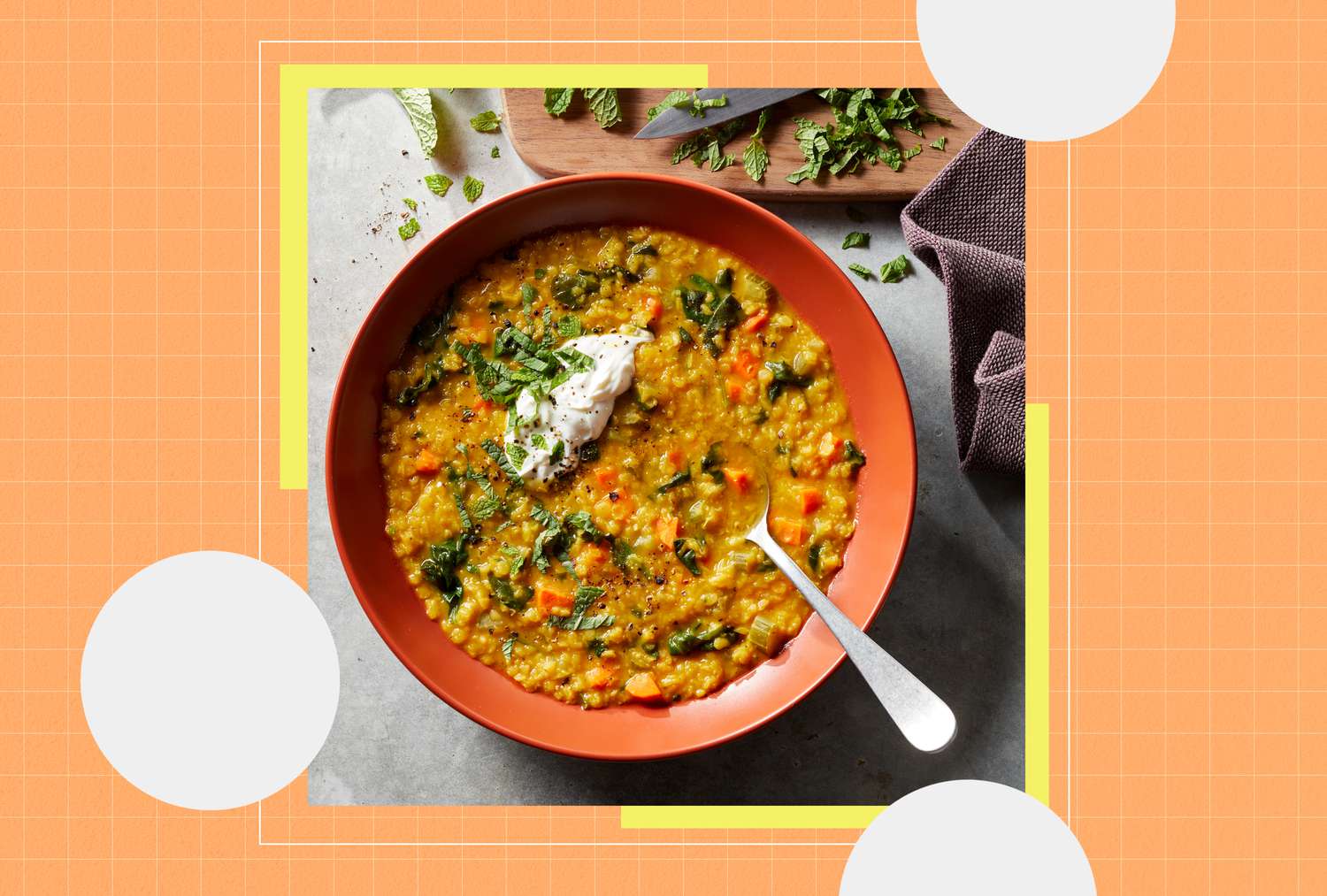
- Turmeric is the best spice to decrease inflammation because it contains curcumin.
- Curcumin works best when paired with black pepper, which helps your body absorb it.
- Turmeric can add anti-inflammatory benefits to a variety of recipes including drinks, smoothies, soups, stir-fries and egg dishes.
Turmeric is often praised as an anti-inflammatory seasoning—and research suggests it deserves the hype. But before understanding how turmeric works, it helps to know what inflammation actually is.
Inflammation is your body’s way of protecting itself from harmful things like infections or injuries. “The immune system initiates an inflammatory response by gathering immune cells to the impacted area to heal it or fight off an infection,” says Shannon Costello, RDN.
This bright yellow spice—widely used in South Asian and Southeast Asian cooking, and in some Middle Eastern dishes—contains a compound called curcumin that’s been studied for its ability to help calm chronic inflammation in the body. So yes—one spice really can make a difference. Here’s how.
Jacob Fox
How Turmeric Can Help with Inflammation
Curcumin, the main active compound in turmeric, is responsible for the spice’s anti-inflammatory and antioxidant effects. Although the mechanisms are complex, research suggests curcumin may help protect healthy cells during an inflammatory response, says Costello.
Studies show a strong link between curcumin and reduced inflammation. Curcumin targets several inflammatory pathways and may be useful as part of a treatment approach for inflammatory conditions, such as arthritis and psoriasis. It may also help lower levels of C-reactive protein (CRP), which Costello explains is a blood protein that increases in response to inflammation. This is important to keep in mind, as high levels of CRP in the blood can be a marker of chronic inflammation.
Food Sources vs Supplements
While turmeric adds curcumin to your diet, the amount found in food is typically much lower than the doses used in research on inflammatory conditions. That’s why supplements may offer stronger effects than turmeric alone.
Still, adding turmeric to your meals is one doable move you can make to potentially decrease the inflammatory load on your body. If you have a condition where inflammation affects symptoms or severity, then you may find that adding turmeric to your meals as part of an overall anti-inflammatory eating plan makes a difference for you. It’s important, though, to stick with any current treatment plan; turmeric is not a replacement for medication.
Add a Pinch of Pepper
When cooking with turmeric it’s smart to include a small pinch of ground black pepper. Black pepper contains piperine, a natural compound that helps your body absorb curcumin, the key active ingredient in turmeric. Without piperine, much of the curcumin passes through the body unused, so pairing the two can significantly boost its effectiveness. If taking a curcumin supplement, make sure it includes piperine (or black pepper) in the list of ingredients.
How to Enjoy Turmeric for Anti-Inflammatory Benefits
Turmeric is easy to work into your day, whether you’re cooking, drinking it or using it as a natural color booster. Its earthy, slightly bitter flavor pairs well with both sweet and savory foods, and a little goes a long way. You can stir ground turmeric into smoothies, oatmeal, yogurt bowls, soups, rice dishes, stir-fries, sauces and salad dressings.
In drinks, try whisking turmeric into warm milk or non-dairy milk for a simple turmeric latte, or add it to hot water with lemon and ginger for a soothing tea-like beverage. Turmeric is also ideal for coloring plant-based egg dishes such as tofu scrambles or silken tofu quiches to make them look more egg-like.
Our Expert Take
Turmeric can play a helpful role in an anti-inflammatory eating pattern, thanks to curcumin. While the amount you get from food is lower than supplement doses, using turmeric regularly—especially with black pepper—may support the body’s natural inflammatory response. It’s not a cure or a replacement for medication, but it can be a flavorful and helpful addition to meals.
