

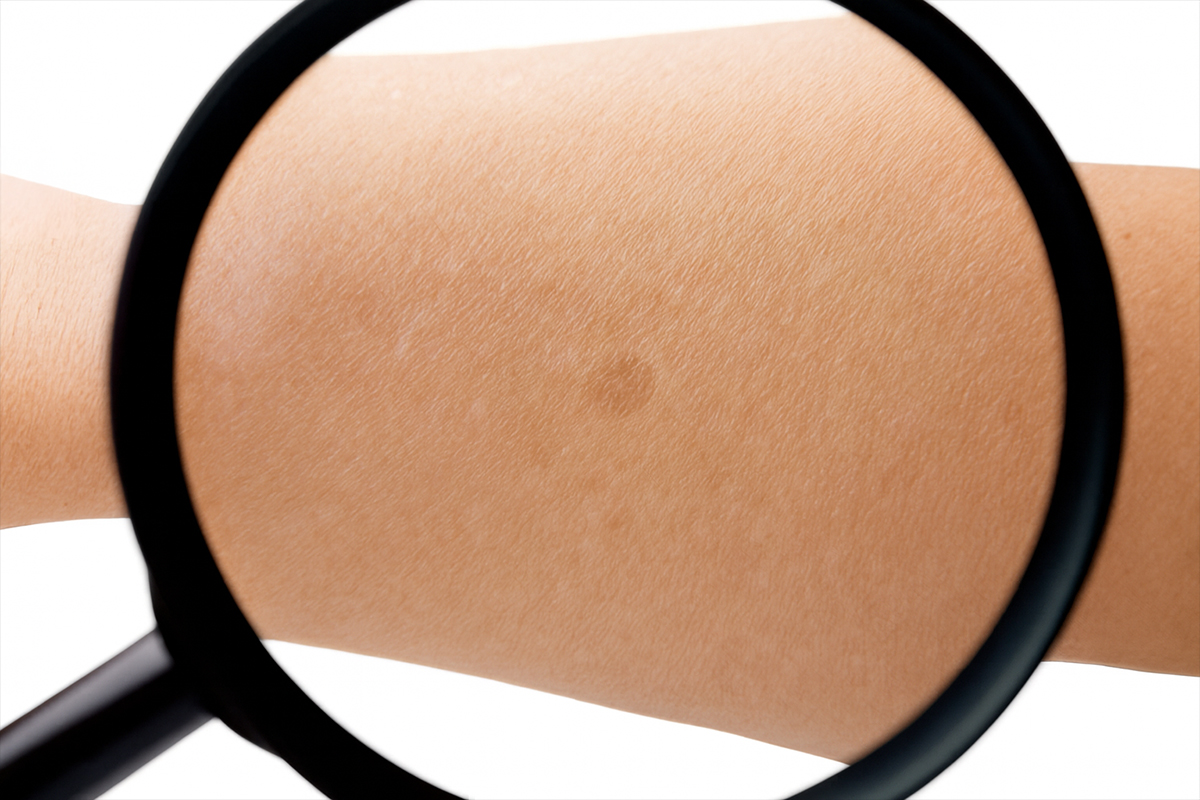
Study finds blood-derived bacterial metabolites that dampen inflammation and collagen breakdown in lab models.
Researchers have uncovered a set of naturally occurring compounds produced by a little-known blood-resident bacterium that can dampen key biological drivers of skin aging in laboratory models. The findings, published in the Journal of Natural Products, hint at a surprising new source of longevity-relevant molecules and open an unexpected line of inquiry into how endogenous chemistry might be harnessed for skin health [1].
The study centers on Paracoccus sanguinis, a microbe isolated from human blood and notable largely because so few researchers have explored the metabolic behaviors of blood-associated bacteria. “We became interested in P sanguinis because blood-derived microbes are a relatively uncharted area of research,” says Kim, the study’s lead author. “Given the unique environment of the bloodstream, we believed that studying individual species like P sanguinis could reveal previously unknown metabolic function relevant to health and disease [2].” It is an unusual starting point for dermatological research, but perhaps a timely one; the search for endogenous molecules that can modulate cellular aging is accelerating across longevity science and these findings warrant a closer look at what they might signal for the field more broadly.
Longevity.Technology: Beneath the surface of this study lies a useful reminder that skin biology is not a cosmetic sideshow but a readable proxy for systemic aging; inflammation, senescence and barrier decline play out visibly in the skin long before they tip into clinical disease elsewhere. The identification of endogenous molecules with anti-inflammatory or senolytic-like behavior therefore carries broader implications than wrinkle reduction, hinting at the possibility of therapies that work with, rather than against, the body’s own repertoire of protective chemistry. As longevity science continues its shift toward interventions that modulate innate pathways – nudging biology rather than overpowering it – these findings offer a timely nudge of their own.
What is striking here is not simply the novelty of the molecules but what their origin suggests for translation; compounds already circulating in human blood may offer a more intuitive starting point for safe, minimally invasive interventions, whether applied topically or delivered systemically. Yet enthusiasm must be tempered with evidence: natural products are only as useful as their pharmacology allows, and the path from in vitro promise to clinical relevance is notoriously uneven. Even so, this work sits squarely within a growing convergence between natural products chemistry, dermatology and geroscience – a reminder that longevity’s future may be shaped as much by rediscovered biology as by high-tech reinvention.
Working with cultured human skin fibroblasts subjected to oxidative stress, the team identified 12 indole-based small molecules produced by P sanguinis. Several displayed anti-inflammatory or anti-senescence properties, but one compound in particular – labeled “metabolite 11” – reduced reactive oxygen species, lowered secretion of inflammatory cytokines interleukin-6 and interleukin-8, and suppressed matrix metalloproteinase-1 (MMP-1), an enzyme responsible for collagen breakdown. The authors note that metabolite 11 showed the most substantial activity across their oxidative-stress assays, positioning it as a potentially useful scaffold for future therapeutic exploration [1].
A new lens on skin aging
Skin aging is typically described in terms of wrinkles, texture changes and the slow erosion of dermal elasticity, yet its molecular origins are squarely tied to processes that sit at the heart of geroscience: oxidative stress, inflammation, immune signaling and cellular integrity. External factors like ultraviolet radiation accelerate these pathways, but intrinsic biology – from mitochondrial dysfunction to senescent cell accumulation – plays a parallel role. This dual exposure makes skin a particularly sensitive readout of systemic aging, something longevity researchers have increasingly recognized.
The idea that a blood-dwelling microbe might generate compounds capable of modulating these processes is striking, not least because endogenous molecules often hold advantages in safety and physiological compatibility. If the same chemical families circulate through the bloodstream, they may offer clues to the body’s own repertoire of protective or reparative strategies.
From lab to clinic – many steps remain
As compelling as the findings are, they remain early. The compounds were tested in fibroblast cultures rather than living skin, and the concentrations used in vitro may not reflect achievable or safe levels in human tissue. Pharmacokinetics, stability, bioavailability and long-term effects are still unknown, and the presence of a molecule in a microbe’s metabolic arsenal does not guarantee therapeutic potential.
Nonetheless, the study touches a broader trend in longevity biotech: researchers are increasingly looking to endogenous chemistry – from microbiome metabolites to immune mediators – as templates for treatments that align with existing physiological networks rather than imposing entirely new ones. This approach may help avoid some of the toxicity pitfalls that have challenged synthetic small-molecule development.
There are commercial implications too. The skincare and dermal longevity markets are hungry for interventions that go beyond antioxidants and retinoids yet remain short of prescription-grade pharmacology. A molecule that reduces ROS, dampens inflammatory cytokines and limits collagen degradation – especially one with biological precedent in blood – will attract interest from both dermatology and consumer longevity companies.
Early clues for translation
The authors suggest that metabolite 11 could be a candidate for further medicinal chemistry optimization, with an eye toward improved potency and stability [1]. Whether it becomes a topical agent, an injectable, or simply a molecular clue that leads to more robust drug designs is impossible to predict. But the direction of travel is clear: mapping the small-molecule landscape of the body, including the contributions of overlooked microbes, is emerging as a fertile strategy for identifying biologically harmonious interventions.
For longevity science, the value of this study may lie less in its immediate translational prospects and more in the door it opens. Aging biology is a mosaic built from many systems; occasionally, the most revealing tesserae are found in unlikely places – including, it seems, the metabolic signature of a microbe quietly circulating in human blood.
[1] https://pubs.acs.org/doi/10.1021/acs.jnatprod.4c01354
[2] https://www.acs.org/
